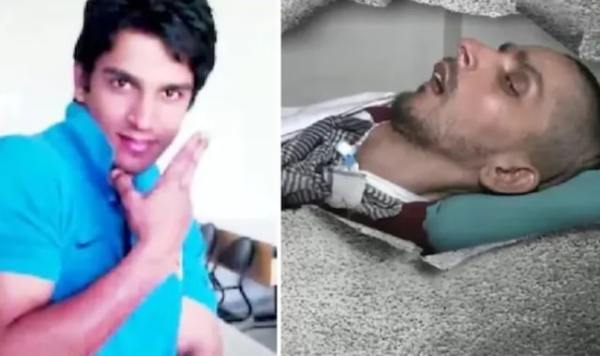
Harish Rana, the first individual in India permitted passive euthanasia, died at AIIMS Delhi on March 24 after spending more than 13 years in a coma. He was 31.
The Supreme Court had allowed passive euthanasia for Rana on March 11, marking the first such case in the country. Following the court’s order, he was shifted to AIIMS on March 14. Doctors removed his feeding tube on March 16, and he passed away eight days later.
Passive euthanasia involves withdrawing external life support or treatment that sustains a critically ill patient, allowing natural death. The court’s decision set a precedent in India’s medical and legal history, sparking nationwide debate on ethics, law, and patient rights.
Rana, a native of Ghaziabad, had been in a vegetative state since suffering severe brain damage over a decade ago. His family petitioned for euthanasia, arguing that prolonged artificial support was neither humane nor sustainable.
The Supreme Court’s ruling and Rana’s subsequent death have reignited discussions about the right to die with dignity. Legal experts believe the case will influence future policies on end-of-life care in India.
STORY: Supreme Court Allows First Passive Euthanasia for Ghaziabad Man
-
Adani Sportsline Unveils 'Garv Hai' Jersey Designed By Aaquib Wani, Praggnanandhaa To Don New Kit

-
Nagaland State Lottery Result: March 24, 2026, 8 PM Live - Watch Streaming Of Winners List Of Dear Destiny Sambad Night Tuesday Weekly Draw

-
Lens rejects PSG's request to reschedule Ligue 1 clash amid Champions League commitments

-
Savings provider offers market-leading 5.75% interest account

-
Arsenal star Riccardo Calafiori clarifies injury status after worrying Gennaro Gattuso update