Big News for Dhaba and Restaurant Owners! New Commercial LPG Rules in Delhi: Gas to be Allocated Based on Specific Criteria
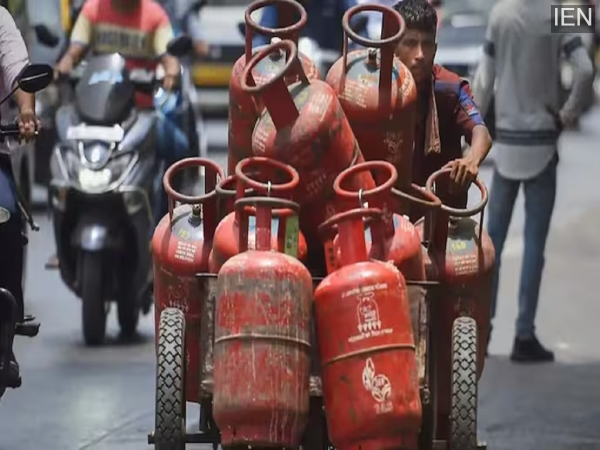
Commercial LPG Gas Rules: The Delhi government has revised the regulations regarding commercial LPG. The gas supply quota has now been increased from 20% to 50%, and the distribution of cylinders will be based on the average consumption recorded over the preceding three months.
Commercial LPG Gas Rules: Significant and welcome news has emerged for those operating hotels, dhabas, and restaurants in Delhi. For some time now, the shortage of commercial cooking gas—coupled with cuts in supply—had disrupted both kitchen budgets and daily operations. Taking this into account, the Delhi government has implemented a major overhaul of its gas distribution policy. Gas cylinders will no longer be allocated in a random or arbitrary manner.
Instead, allocation will now be determined based on your average consumption over the last three months. The most positive aspect of this move is that the government has directly increased the daily supply quota from 20% to 50%. This means the number of cylinders supplied daily will rise from 1,800 to 4,500. This initiative by the government is considered highly significant, particularly in light of the upcoming festive season and the corresponding surge in demand. Read on for the full details.
Supply Significantly Increased
Food and Supplies Minister Manjinder Singh Sirsa announced that the supply of commercial gas has been increased by two-and-a-half times. Previously, the city was receiving only 20% of its average consumption requirement; this figure has now been raised to 50%. The key highlights of this policy are as follows:
- Reflecting a massive boost in supply, 4,500 cylinders will now be released into the market on a daily basis.
- Among the oil marketing companies, IOCL will handle 58% of the supply responsibility, followed by BPCL at 27%, and HPCL at 15%.
- Cylinder allocation will now be strictly based on the average consumption data recorded over the preceding three months.
- Restaurants and dhabas will no longer be compelled to cancel customer bookings due to a shortage of gas.
Who Gets What Share?
Under the new policy, the total supply has been allocated across various sectors based on their specific requirements. The largest share has been assigned to ‘Category 3’—specifically, hotels and dhabas (roadside eateries). The breakdown of this allocation is as follows:
- The hotel, restaurant, and dhaba sector has been allotted the largest share of the total supply, amounting to 75%.
- A quota of 5% has been reserved for the education and health sectors—specifically, schools and hospitals.
- A 5% allocation has also been designated for facilities such as caterers, banks, and sports academies.
- Small industrial units—such as those in the pharmaceutical and packaging sectors—will receive 1% of the total supply.
Provisions for Migrant Workers and Specific Sectors
These new guidelines place special emphasis on the needs of migrant workers and essential services. To ensure a transparent system, the government has also introduced several new regulations:
- A daily quota of 180 free trade cylinders (5 kg capacity each) has been allocated specifically for migrant workers.
- To obtain gas, consumers are now required to submit a written request on official letterhead.
- Individuals currently awaiting a PNG (Piped Natural Gas) connection will face no difficulties in obtaining cylinders.
- The government has explicitly stated that the supply situation is fully under control and has urged the public to refrain from spreading or believing rumors.
-
Kavitha to launch new political party in Telangana on April 25

-
Fuel tax cut explained: Who benefits and what it means for you
-
India and Russia in talks to resume LNG sales amid West Asia crisis

-
Which new Pakistani drama is starting from today? All details

-
Aditya Dhar’s ‘Dhurandhar: The Revenge’ crosses Rs 1,088 crore globally