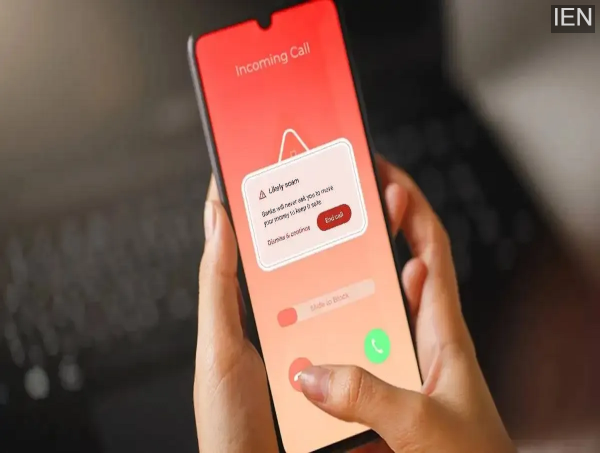
Hackers have defrauded a 78-year-old woman in Mumbai of lakhs of rupees. To achieve this, the hackers resorted to a "phone hijack" tactic to gain unauthorized access to her bank account. Exercise caution to ensure you do not fall victim to a similar scam.
Cybercriminals are constantly devising new methods to defraud people. Following the emergence of "digital arrest" scams, a new type of fraud has now surfaced. In this latest scheme, hackers are perpetrating scams by hijacking users' phones. In the reported incident, hackers asked a woman to make a payment of just ₹13, only to subsequently defraud her of lakhs. We are detailing the full incident here to help ensure that you do not face a similar fate.
How Did the Phone Hijack Occur?
According to reports, cybercriminals hijacked the phone of a 78-year-old elderly woman in Mumbai and siphoned off lakhs of rupees. To execute this, the fraudsters cunningly extracted the woman's bank account details and stole ₹25 lakhs. The Cyber Police are currently investigating the case. According to the police, the cybercriminals initially contacted the woman via the instant messaging platform WhatsApp and instructed her to download a specific file.
Posing as officials from the electricity department, the hackers told the woman that she needed to update the name associated with her connection. At the time, the woman was traveling in Kerala. Believing it to be a legitimate call from a government department, she proceeded to make a payment of ₹13 using the details provided by the hackers. Immediately thereafter, the hackers hijacked the woman's phone; by stealing her banking credentials, they were able to drain ₹25 lakhs from her account.
How Can You Stay Safe?
Cybercriminals typically contact people via SMS, WhatsApp messages, emails, fraudulent phone calls, and similar channels. They often pose as officials from government departments, banks, mobile service providers, or other organizations to establish contact with individuals and subsequently defraud them. If someone asks you to download a file or open a link via WhatsApp, SMS, or email, simply ignore the request.
- Such links and files often contain malware that can compromise your phone.
- Furthermore, you should never share your PIN, OTP, or similar details with anyone.
- You should also refrain from sharing your personal documents with others. Hackers can often use your documents to procure a duplicate SIM card and subsequently carry out scams against you.
-
SEBI Grade A Assistant Manager Phase-II Result 2026 Released

-
PNB Bank Apprentice Result 2026 Announced: Check Your Status Now

-
Bihar Board Class 10 Results Expected on March 30, 2026

-
Empowering Women Through Polytechnic Diploma Programs in UP

-
NHAI Launches Summer Internship Program for 2026: Apply Now!