
India’s aviation regulator has introduced one of its most far-reaching safety directives in decades, setting out stringent new rules for flights carrying top political and constitutional dignitaries.
In an order dated 27 March, Director General of Civil Aviation Faiz directed operators, pilots and state authorities to treat safety as paramount, significantly strengthening the authority of flight crew. The move comes two months after a chartered aircraft carrying former Maharashtra Deputy Chief Minister Ajit Pawar crashed near Baramati, killing him and four others.
The directive replaces two longstanding circulars that had governed VIP air travel for years. It applies to a wide range of high-profile passengers, including the Speaker of the Lok Sabha, the Deputy Chairperson of the Rajya Sabha, Union and state ministers, Chief Ministers, Governors, the Chief Justice of India and Special Protection Group (SPG) protectees under Z+ security.
A key provision makes it clear that pilots cannot be subjected to pressure from VIP passengers. Any last-minute changes to flight plans must be routed through organisational management rather than communicated directly to the cockpit crew. Operators are also required to brief VIPs before each flight using a standardised document emphasising that all operational decisions rest solely with the pilot.
BJP spent over Rs 24 crore on star campaigners’ chartered flights in Bihar polls: Expenditure reportThe regulator has also tightened qualification requirements for crew. Commanders of fixed-wing aircraft must now have a minimum of 3,000 flying hours, including 2,000 hours as pilot-in-command and at least 75 hours on the specific aircraft type. Co-pilots must log at least 500 total hours, with 100 hours on type. For helicopter operations, the pilot-in-command must have 2,000 total hours, including 500 as commander, while co-pilots must meet a threshold of 300 hours, including 50 on type.
Aircraft standards have been strengthened as well. Operators must ensure a valid Certificate of Airworthiness, fully functional weather radar systems and zero tolerance for unresolved technical defects before undertaking any flight.
The order also mandates prior written clearance from district authorities — including officials such as District Magistrates, Superintendents of Police or Station House Officers — at least 24 hours before using helipads or temporary landing sites.
Special attention has been given to election-related flying, described in the directive as particularly demanding due to extended duty hours, rapidly prepared landing zones and congested airspace. Operators are now required to appoint a compliance officer and submit weekly reports on flight duty time limitations to the DGCA.
Non-compliance could attract penalties ranging from formal warnings to suspension or cancellation of an operator’s licence, underscoring the regulator’s intent to enforce the new norms strictly.
-
Qatar appreciates Pak's efforts to promote peace in West Asia

-
Congress appoints 12 vice-presidents, 27 general secretaries in Himachal

-
Ever Wondered How Your Brain Works? Here’s A Simple Guide

-
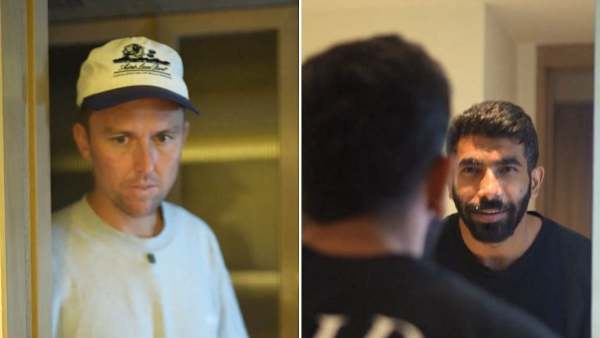
'Ghar Ki Yaad Nahi Aayi Tujhe Jassi?': Trent Boult Welcomes Jasprit Bumrah With Viral 'Dhurandhar' Dialogue
-
Prince Harry was given 3-word warning by Queen over marriage to Meghan