The Science and Spirituality Behind Navratri Fasting
Times Life | March 29, 2026 3:39 AM CST
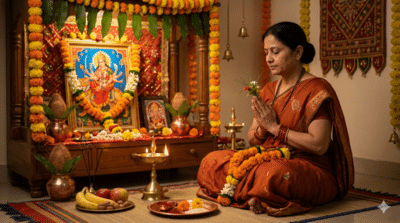
During Navratri, fasting is mostly interpreted as a religious act wherein the devotees completely abstain from some gruel, consume only fruits or pot purely on a scraping diet for the nine days.This hindrance to eating is for most people a ritual done every year without them even thinking why it is there. It may turn out that Navratri fasting is more than just a religiosity or a performing of traditional rites- it is a bringing together of science health discipline, and spirituality. Navratri is a festival that comes twice in a year during the changing of the seasons - once in the beginning of summer and the second time at the beginning of winter. It is at these times the body is most prone to infections, digestive issues, and weak immunity. The conception of fasting at these times by our ancestors was not only as a religious ritual but also as a means to reset one's body and mind. Therefore, fasting during Navratri is not about starving yourself; it is about detoxification on various levels - physical, mental, and spiritual.
Seasonal Change and Body Detox

Navratri mostly coincides with the changing of seasons when a person's immunity system is at its lowest naturally. In the course of seasonal progressions, one's digestive capacities tend to diminish, and one feels lethargic and heavy. Moreover, heavy consumption of grains, oily and processed food may further hinder digestion. This is the reason why during Navratri, people eat lighter foods such as fruits milk nuts, buckwheat flour (kuttu), water chestnut flour (singhara), and simple dishes. These kinds of food are not only easier to digest but also assist the body in natural detoxification. In case you have been eating lightweight food for a few days, your digestive organ gets ample rest. The body will thus allocate its energy not only for digestion but also for repair and cleansing of the system. It is a fact that this mechanism resembles what the present-day science refers to as intermittent fasting or detox diets. Thus, what seems to be a religious fasting at first sight is in reality a traditional health regimen that has been mapped out in line with the changing seasons.
Light Food Improves Digestion and Energy Levels

A typical outcome of Navratri fasting that most people relate to is the first few days turning them from a state of weakness to feeling lighter and more energetic. The reason is that hearty foods like wheat rice fried food, and processed sugar are generally off-limits during the fast. When the digestive system is not overburdened, very little energy is spent on food processing. The rest of the energy is then allocated to brain and body activities, which explains why most people feel physically as well as mentally vibrant during fasting. From the scientific point of view, meals with lower calorific content facilitate the stabilisation of blood sugar levels and minimise the feeling of being bloated, sluggish, and heavy. According to spiritual beliefs, consumption of light food maintains the tranquility of the body and the peace of mind.
Satvik Food and Its Effect on Mind and Mood
During Navratri, there is a widespread encouragement to consume satvik food, which is a notion derived from Indian philosophy and Ayurveda. Satvik diet comprises of fruits milk nuts, vegetables, and simple dishes with hardly any spices. Apart from the traditional belief, science has also to some extent validated the same. For instance heavy oily, and processed foods often lead to a feeling of lethargy and sleepiness, whereas fresh and natural foods contribute to better gut health, and ones gut is closely linked to both mood and mental well-being. Therefore, when people refrain from eating onion garlic alcohol, junk food, and non-vegetarian food during Navratri, it is not just a religious limitation this act of purifying the body and mind is intended to allow the individual to focus more on the aspects of prayer, discipline, and self-control.
Fasting, Meditation and Mental Discipline

The essential element of Navratri fasting is not the diet but the discipline. By fasting we get to develop self-control gradually. Fasting is a great way, which helps us to have authority over our eating habits, and consequently, we gradually get to have control even over our other things like temper speech habits, and thoughts. In addition, fasting is closely linked with meditation and spirituality. When we have less food in our stomach, the mind can work more steadily and be more concentrated. As a result, fasting is a very typical component of spiritual practices aimed at prayer or meditation all over the globe. Navratri fasting is a method to follow self-denial. We, in our regular life, do not think of eating by the time, for instance, when we are hungry; sleeping for that matter, and also using the phone. Coming up with a fast makes us step aside to see life for a while and therefore, we are forced and deprived of our habitual behaviour. In other words, fasting is not just about restraining hunger but also about controlling the mind.
Final Note :
Navratri fasting beautifully merges science health discipline, and spirituality in a single ritual through the medium of ancient traditions. A system, that although disguised as religious ritual, was actually structured to detoxify the body, pacify the mind, improve self-discipline, and make a person spiritually aware. With consuming light meals, adhering to the satvic diet, controlling oneself, and concentrating on prayers or meditation, one physically and mentally gets purified over these nine days. Therefore, if a person fasts during Navratri, it should not be considered a mere ritual of refraining from certain foods. It is, in fact, a means of discipline detox mindfulness, and spiritual evolution. Navratri fasting does not intend to starve the body; it aims at purifying the body, calming the mind, and strengthening the soul.
FAQs (Frequently Asked Questions) :
Is Navratri fasting good for health?
Yes, light and satvik fasting food can improve digestion and detox the body.
Can fasting improve mental health and focus?
Fasting can improve focus and mental clarity by reducing heavy food intake.
What is satvik food and why is it eaten during Navratri?
Satvik food is simple, pure food that keeps the mind calm and body light.
Seasonal Change and Body Detox
Seasonal fasting helps body detox and improves immunity naturally.
Navratri mostly coincides with the changing of seasons when a person's immunity system is at its lowest naturally. In the course of seasonal progressions, one's digestive capacities tend to diminish, and one feels lethargic and heavy. Moreover, heavy consumption of grains, oily and processed food may further hinder digestion. This is the reason why during Navratri, people eat lighter foods such as fruits milk nuts, buckwheat flour (kuttu), water chestnut flour (singhara), and simple dishes. These kinds of food are not only easier to digest but also assist the body in natural detoxification. In case you have been eating lightweight food for a few days, your digestive organ gets ample rest. The body will thus allocate its energy not only for digestion but also for repair and cleansing of the system. It is a fact that this mechanism resembles what the present-day science refers to as intermittent fasting or detox diets. Thus, what seems to be a religious fasting at first sight is in reality a traditional health regimen that has been mapped out in line with the changing seasons.
Light Food Improves Digestion and Energy Levels
Light fasting food improves digestion and keeps body energetic.
A typical outcome of Navratri fasting that most people relate to is the first few days turning them from a state of weakness to feeling lighter and more energetic. The reason is that hearty foods like wheat rice fried food, and processed sugar are generally off-limits during the fast. When the digestive system is not overburdened, very little energy is spent on food processing. The rest of the energy is then allocated to brain and body activities, which explains why most people feel physically as well as mentally vibrant during fasting. From the scientific point of view, meals with lower calorific content facilitate the stabilisation of blood sugar levels and minimise the feeling of being bloated, sluggish, and heavy. According to spiritual beliefs, consumption of light food maintains the tranquility of the body and the peace of mind.
Satvik Food and Its Effect on Mind and Mood
During Navratri, there is a widespread encouragement to consume satvik food, which is a notion derived from Indian philosophy and Ayurveda. Satvik diet comprises of fruits milk nuts, vegetables, and simple dishes with hardly any spices. Apart from the traditional belief, science has also to some extent validated the same. For instance heavy oily, and processed foods often lead to a feeling of lethargy and sleepiness, whereas fresh and natural foods contribute to better gut health, and ones gut is closely linked to both mood and mental well-being. Therefore, when people refrain from eating onion garlic alcohol, junk food, and non-vegetarian food during Navratri, it is not just a religious limitation this act of purifying the body and mind is intended to allow the individual to focus more on the aspects of prayer, discipline, and self-control.
Fasting, Meditation and Mental Discipline
Fasting builds discipline, focus, and strengthens spiritual connection.
The essential element of Navratri fasting is not the diet but the discipline. By fasting we get to develop self-control gradually. Fasting is a great way, which helps us to have authority over our eating habits, and consequently, we gradually get to have control even over our other things like temper speech habits, and thoughts. In addition, fasting is closely linked with meditation and spirituality. When we have less food in our stomach, the mind can work more steadily and be more concentrated. As a result, fasting is a very typical component of spiritual practices aimed at prayer or meditation all over the globe. Navratri fasting is a method to follow self-denial. We, in our regular life, do not think of eating by the time, for instance, when we are hungry; sleeping for that matter, and also using the phone. Coming up with a fast makes us step aside to see life for a while and therefore, we are forced and deprived of our habitual behaviour. In other words, fasting is not just about restraining hunger but also about controlling the mind.
Final Note :
Navratri fasting beautifully merges science health discipline, and spirituality in a single ritual through the medium of ancient traditions. A system, that although disguised as religious ritual, was actually structured to detoxify the body, pacify the mind, improve self-discipline, and make a person spiritually aware. With consuming light meals, adhering to the satvic diet, controlling oneself, and concentrating on prayers or meditation, one physically and mentally gets purified over these nine days. Therefore, if a person fasts during Navratri, it should not be considered a mere ritual of refraining from certain foods. It is, in fact, a means of discipline detox mindfulness, and spiritual evolution. Navratri fasting does not intend to starve the body; it aims at purifying the body, calming the mind, and strengthening the soul.
FAQs (Frequently Asked Questions) :
Yes, light and satvik fasting food can improve digestion and detox the body.
Fasting can improve focus and mental clarity by reducing heavy food intake.
Satvik food is simple, pure food that keeps the mind calm and body light.
READ NEXT
-
'Top Gun' And 'Back To The Future' Star James Tolkan Dies At 94

-
UAE Air Defences Intercept 20 Ballistic Missiles, 37 UAVs Amid Iran Attacks

-
UP Shocker: Man Beheads Ice-Cream Seller, Takes His Head Home To Burn It

-
76 Railway Stations To Get Modern Passenger Holding Areas With Latest Amenities

-
Cities Across India Observe Earth Hour 2026, Switch Off Lights