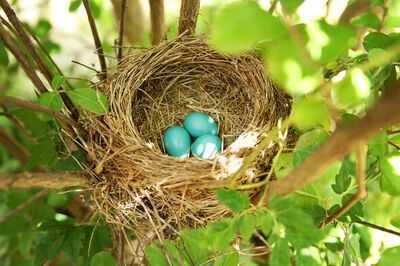
While birds in the UK can nest at various points throughout the year, the main nesting season typically runs from March to September, when the weather is milder and food is more readily available. Birds play a vital role in our local ecosystems, helping to pollinate plants and control pests by feeding on insects.
As many species face falling numbers due to habitat loss and climate change, offering support in our own gardens can make a real difference to their chances of survival. There are plenty of simple ways to help, from creating safe, sheltered nesting spots to providing fresh water, suitable food and natural materials they can use to build nests. Although it's important not to interfere too much if birds are nesting in your garden, it's best to give them plenty of space and allow them to get on undisturbed.
This is because disruption can cause unnecessary stress and might lead to birds abandoning their nests, reducing the survival chances of their chicks.
If you come across a lone chick that appears to have fledged early, it's usually best to leave it where it is and keep a watchful eye. In most cases, the parent will return and continue feeding it while it builds strength.
If there are clear dangers nearby, such as a cat, you may need to step in - but avoid moving the chick, as this can make it harder for the parent to locate it and continue care.
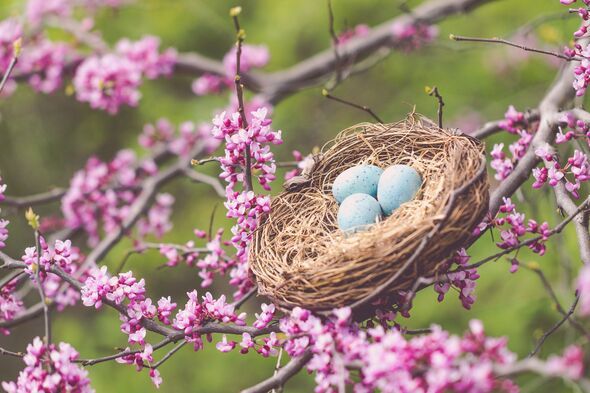
Five tips for helping birds during nesting season:
1. Minimise disturbanceDuring nesting season, most birds will build their nests in hedges or trees, so it's important not to cut any during this time to avoid disturbing or harming them. If there are birds nesting in your garden, it's also very important to leave them undisturbed. This helps prevent disruption to their breeding and is also illegal under the Wildlife and Countryside Act 1981.
2. Leave out fresh waterMake sure that if you're leaving out any water for birds, it's changed every day and the container is cleaned regularly to help prevent the spread of disease. Use a shallow dish and place it in a shaded area, keeping it as safe as possible from predators.
3. Provide non-toxic foodProvide food that is suitable for birds, avoiding anything harmful such as mouldy scraps or processed foods. Opt for things like unsalted peanuts, bird seed, mealworms and fresh fruit. Avoid bread, as it offers little nutritional value, and always ensure food is fresh. It's also important to clean feeders regularly and provide food in small amounts to prevent waste and over-reliance.
4. Leave out suitable nesting materialsThere's some misconception about what nesting materials are suitable for birds, and the most appropriate are dried foliage, leaves and small twigs. Things like pet fur should be avoided because they can carry disease and chemicals from flea treatments. It's also really important that you don't use synthetic materials, as these can cause harm to birds and may even get tangled around them.
5. Provide nesting sitesPlacing bird boxes around the garden between 1.5-3 metres high can provide a safe place for birds to nest. Having a range of shapes and sizes will accommodate different species and help your garden feel bustling and full of life. Make sure to clean them out each time they are empty, before new birds settle in.
-
Writer, translator, critic: How Shanta Gokhale's works have shaped cultural conversations

-
Bengaluru professor booked for allegedly calling Muslim student a 'terrorist'

-
Twinkle Khanna praises Gen Z's 'fresh vision', says it's worth listening to them

-
Andrew Garfield says he isn't immune to doom scrolling

-
Foreign visitors surge in major areas in Seoul on BTS concert day: Data