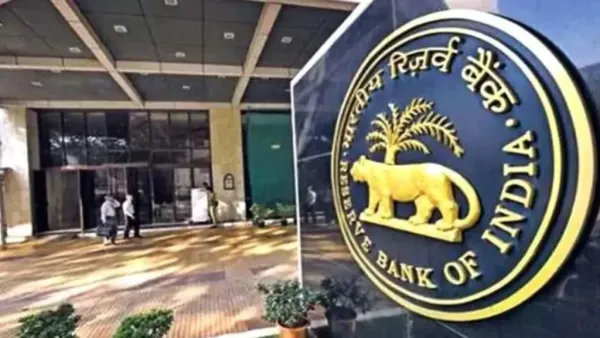
RBI Two Factor Authentication: The Reserve Bank of India (RBI) has made two-factor authentication mandatory from April 1, 2026. With this, making payments through UPI and cards will become more secure than before. The central bank has made two-factor authentication mandatory for all digital payments such as UPI, debit and credit cards and mobile wallets.
This means that OTP alone will no longer be sufficient to complete a transaction. Users will now have to go through at least two levels of verification process, such as PIN, password, biometric authentication or token, along with OTP.
Why did RBI take this decision?
The move comes in the wake of increasing cases of online fraud, including phishing and SIM swap scams, where OTP-based systems have proven to be insecure. By adding an additional layer of security, RBI aims to reduce the possibility of unauthorized transactions and increase trust in digital payment systems.
Due to this change, payments may take slightly longer to complete, especially on new devices or for high value transactions. However, regular transactions on trusted devices are expected to remain relatively smooth. The system will also adopt a risk-based approach, where the level of security checks will depend on the nature and behavior of the transaction.
Financial institutions will have to pay compensation
Another important aspect of the new rules is the increased accountability for banks and payment platforms. Financial institutions may have to compensate customers if a fraud occurs due to a malfunction in their systems. This is expected to ensure speedy resolution of complaints and motivate banks to strengthen their security framework. RBI has also indicated that similar authentication norms will also apply to international transactions including cross-border card payments. Full implementation of these rules is expected by October 2026.
Expectation of reduction in fraud cases
in india digital payment In view of the rapid growth in investment, this new step of the Central Bank has been taken with the aim of striking a balance between convenience and security. Experts say that the additional verification process may seem a bit inconvenient, but it is expected to reduce the risk of fraud to a great extent and make daily transactions more secure for millions of users.
-
Aquarius Tarot Horoscope Today, July 24, 2026: Health will be good, routine will be smooth

-
Virgo Tarot Horoscope Today, July 24, 2026: Opportunities will arise, will maintain smartness

-
Taurus Tarot Horoscope Today, July 24, 2026: Will Be Calm, Joy and Happiness Will Increase

-
Cancer Tarot Horoscope Today, July 24, 2026: Opportunities will increase, challenges will be faced

-
Leo Tarot Horoscope Today, July 24, 2026: Will state their case, will find solutions through discussion