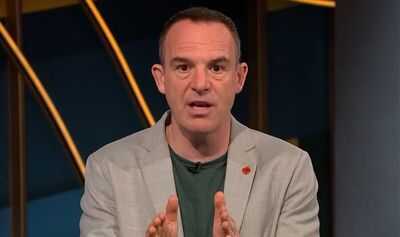
Martin Lewis has urged people to check for a product label code when out shopping. He shared the tip on his BBC podcast after asking his listeners to contribute their ideas for how you could save money.
He asked fans of the show to share any pearls of wisdom they had picked up from their career, which could save others money. One person who worked in pharmaceutical research pointed to the fact that generic medicines are often the same as more expensive branded products.
They gave the example of Panadol tablets, which contain paracetamol, which you could get more cheaply as a supermarket version. Mr Lewis was happy to endorse this shopping saving tip.
He said: "Quite right, it's the active ingredient that does the job. So if it has the same active ingredient, it's doing the same job." The active ingredient is the part of a tablet or medication that actually produces the therapeutic effect, such as paracetamol, aspirin, or retinol.
Mr Lewis added the proviso that sometimes two medicines with the same active ingredient may be different in how they work, such as one may be quick release. He said another thing to look out when comparing different product is the PL code, or product licence code.
'It's the same stuff'If two different products have the same PL code, the tablet or medication inside is the exact some product, so it will definitely be worth your while going for the cheaper one. The expert said: "You can find in some pharmacies, different pharmaceuticals, like hay fever tablets: one might be an own brand at half the price of the branded one, but they have the same PL code.
"Then it's not just the same active ingredient, it's absolutely the same stuff. It's the same tablet inside." Another health-related tip was sent in by a listener, who has worked for many years as a doctor and GP.
They firmly encouraged people to take out health insurance given their experience. Responding to this idea, Mr Lewis said: "I certainly think many people underestimate healthcare cashback schemes, which is mutual cover.
"These are plans where you get dental or optical, even on the NHS, anything you're paying for on the NHS or private. Then you take your receipts at the end and they refund you up to a certain limit."
A big way to saveAnother savings tip came in from someone who works at a GP practice. They said anyone who regularly picks up prescriptions for HRT (Hormone Replacement Therapy) may want to invest in a prepayment certificate.
Mr Lewis said in response: "Quite right, couldn't support that any more. There are many women missing out on that one and it is a big way to save."
In buying a prepayment certificate, you pay a set price which covers all your NHS prescriptions. You can save on the cost if you need more than three items in 3 months, or 11 items in 12 months. You can get a three-month prepayment certificate for £32.05 or a 12-month one for £114.50, while the prescription charge per item in England is currently £9.90.
-
Business Loan Tips: How to Get the Lowest Interest Rate Easily in 2026

-
Salary Rules Changing from April 1: Company Car Tax Up, Big Relief in Loans and Meal Vouchers
-
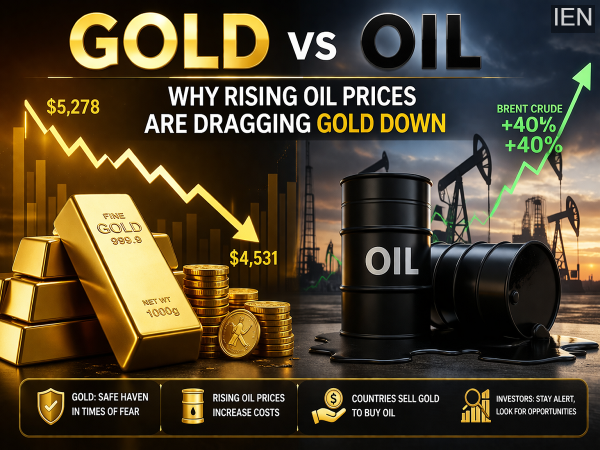
Gold vs Oil Explained: Why Rising Oil Prices Are Dragging Gold Down—and What Investors Should Know
-
ATM Rules Changed from April 1: HDFC, PNB and Bandhan Bank Update Limits, Charges Explained
-
TDS on Bank Interest Unchanged in 2025: Government Clears Confusion, Relief for Small Investors