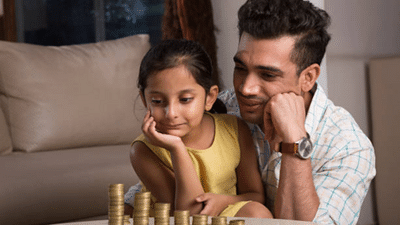
Money questions usually start in small ways. A child wants a new game, a fancy pencil box, or a bigger birthday cake. Sometimes the answer is yes. Sometimes it is “not right now.” That is often when children begin to notice that money has limits. This is also a good time to slowly talk about borrowing, credit, and debt, without making it heavy or serious. These words sound big, but the ideas behind them are simple. They already exist in everyday life, in small and quiet ways.
When we take now and return later
Borrowing is something children already do. A child borrows a pencil from a friend. Or they borrow a book from the school library. They use it for some time and then give it back. Money borrowing works in the same way. You take money now and return it later.
For example, if a child forgets their lunch money, a friend may give them some and expect it back the next day. That is borrowing. There is no big lesson in it, just a small moment of trust and responsibility. At home, parents sometimes borrow money for bigger things, like school fees, medical bills, or home repairs. The idea is the same, only the numbers are larger.
What credit looks like in daily life
Credit is simply about trust. When someone allows you to pay later, they are giving you credit. If a shopkeeper says, “You can pay tomorrow,” that is credit. If a parent says, “We’ll pay for this at the end of the month,” that is also credit.
Credit cards work in a similar way. The bank pays the shop first, and the family pays the bank later. For children, it often makes more sense when linked to everyday moments. Like borrowing a friend’s toy and promising to return it in a few days. There is trust involved, and a small responsibility that comes with it.
Understanding what debt means
Debt is the name we give to money that has been borrowed but not yet paid back. If you borrow today and plan to return it next month, you are in debt until that time. Sometimes debt happens because of sudden needs. A broken washing machine, a hospital visit, or urgent travel. Life does not always wait for savings to be ready. For children, it helps to keep this idea plain and simple. Debt is not something scary. It is just a situation that needs time and care to settle.
Small money talks at home
Children hear adults talk about money. Bills, groceries, school fees, rent. These words float around the house during normal conversations. Simple explanations help. Saying, “We are saving for this,” or “We will buy it next month,” shows how planning works.
With their own money, kids start noticing small decisions. When children spend all of it in one day, they understand what it feels like to have none left. That feeling quietly stays with them. There is no need to sit children down for serious money lessons. These ideas settle better through small moments, casual talks, and daily situations.
-
Digital Payments Get Safer from April 1: RBI Mandates Two-Step Verification for Every Transaction

-
PSL 2026: PCB Chief Mohsin Naqvi Fuming At PSL Teams; Here’s Why

-
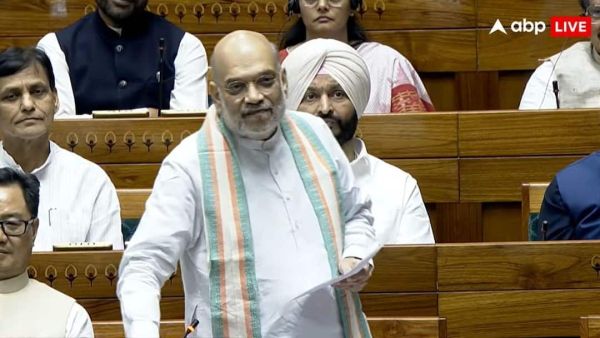
‘We’ve Become Naxal-Free’: Shah Says In Lok Sabha, Targets Opposition
-
SportVot X FPJ: VT Tigers Chase 178 In 16.5 Overs To Beat Granite Chargers In Mastro Premier Cricket League 2026

-
Rajasthan Cricket Association’s New Ad Hoc Committee: All Five Members Are Sons Of Ruling BJP Politicians