As the weather warms up, this is just what we want to hear.
Reviewed by Dietitian Madeline Peck, RDN, CDN
Key Points
- A study suggests that spending more time in nature is positively linked to diet quality.
- Having houseplants and spending time outdoors were associated with better diet scores.
- A deeper connection to nature was also linked to eating more fruits and vegetables.
You probably know the fundamentals of healthy eating: eat your vegetables, watch out for added sugar and excess sodium and opt for plenty of beans and grains. But what you eat is shaped by far more than nutrition knowledge. Stress levels, your mood and even your sense of connection to the world around you all play a role in your food choices.
A new study published in Social Science & Medicine suggests that a surprisingly accessible habit may help tip the scales toward healthier eating: spending more time in nature. Maintaining a garden, walking in a park and tending to house plants are all simple connections with the natural world that might improve diet quality, according to research.
How Was This Study Conducted?
Researchers at Drexel University and Wake Forest University School of Medicine used a mixed methods approach, combining survey data with in-depth interviews to get a fuller picture of the nature-diet relationship.
In the first phase, 300 adults across the United States completed an online survey reporting how often and how long they interacted with nature in three ways: indirect interactions (viewing nature through a window), incidental interactions (passing through green spaces as part of daily life or having plants in frequently used rooms) and intentional interactions (purposefully spending time outdoors through activities like visiting a park, hiking or gardening).
Participants also completed a detailed dietary questionnaire capturing eating habits over the past month. Researchers used two scoring tools to assess diet: the Healthy Eating Index-2020, which measures how closely a person’s diet aligns with the Dietary Guidelines for Americans, and the EAT-Lancet Index, which scores eating patterns against recommendations for both human and planetary health.
In the second phase, 30 of the 300 participants were selected for in-depth interviews, allowing researchers to explore the “why” behind the numbers.
What Did the Study Find?
The results showed a clear, statistically significant relationship between how often and how long participants interacted with nature and the quality of their diets. Specifically, both the duration and frequency of incidental and intentional nature interactions predicted better diet quality scores and more sustainable eating patterns.
The interviews offered four key themes explaining why this might be:
- Nature reduces stress, making it easier to eat well. Many participants described going outside as a way to decompress. When they were stressed or bored, they were more likely to reach for junk food—and time in nature helped interrupt that cycle.
- A health-oriented mindset connects nature and food. People who prioritized their health tended to both seek out nature and make more thoughtful dietary choices, viewing these as intertwined behaviors.
- Feeling connected to nature sparked a desire to eat more whole foods. Participants who described a strong bond with the natural world—especially those who gardened—reported wanting to eat more fruits, vegetables and minimally processed foods.
- Awareness of food’s environmental impact shaped choices. People who thought carefully about how food production affects the planet, including emissions from meat and the benefits of buying local, tended to eat in more sustainable ways.
A follow-up analysis added nuance: mental well-being seemed to shape the link between nature and diet. Participants with lower levels of depression, anxiety and stress showed stronger associations between nature interactions and healthier eating. It’s possible that poor mental health may make it harder to translate time in nature into better food choices.
As with any study, there are limitations to keep in mind. The sample of 300 participants, though geographically and demographically diverse, may not represent the broader U.S. population. Both nature interactions and dietary intake were self-reported, which can introduce errors and recall bias. And because this is an observational study, researchers can’t conclude that spending time in nature causes better eating, only that the two tend to go hand in hand.
How Does This Apply to Real Life?
You don’t need to overhaul your schedule to take advantage of these findings. Small, consistent shifts in how you engage with the natural world may gradually support healthier eating. Here are some practical ways to get started:
- Take a walk in a green space. Even a short stroll through a park or tree-lined neighborhood counts as intentional interaction with nature and may help lower stress levels that otherwise drive less healthy food choices.
- Bring nature indoors. Keeping plants in the rooms where you spend the most time is an easy, low-effort form of incidental nature contact.
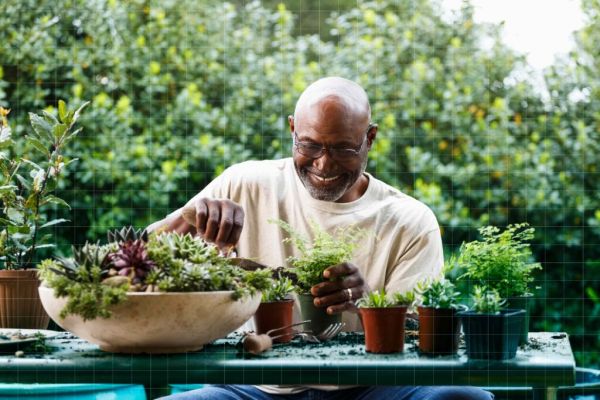
- Try growing some of your own food. Participants who gardened described developing a deeper appreciation for fresh produce and a stronger desire to eat it.
- Visit a farmers market. Shopping for local, seasonal food can strengthen your connection to the food system—and to nature more broadly.
- Pair outdoor time with your nutrition goals. If you’re working on improving what you eat, combining those efforts with more time outside may help by lowering stress and reinforcing a health-focused mindset.
Our Expert Take
A new study in Social Science & Medicine found that people who spend more time in nature tend to have better overall diet quality and more sustainable eating patterns. Researchers point to several possible explanations, including the stress-reducing effects of time outdoors, a heightened sense of connection to the natural world and a greater awareness of how food choices affect the environment. While more research is needed to fully understand the mechanisms involved, the findings make a compelling case that getting outside more may be good for you in more ways than one.
-
US bill targets commercial driving license use by illegal migrants

-
'Hey Kay Navin?' review: New-old ideas about marriage and motherhood

-
Anyone who washes clothes at 60C urged to think again this spring

-
Bipasha Basu gives a cute glimpse of baby girl Devi dancing her heart out with Nani 'Mumu Ma'

-
UP Weather LATEST Update: Thunderstorms, Rain, and Strong Winds Expected Across Cities