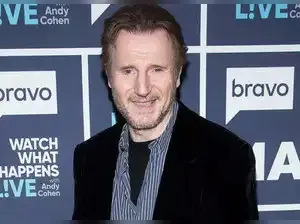
There’s something about time that only reveals its sharpness when you look back. In the middle of routine—school runs, unfinished conversations, small arguments—it feels like life is stretching endlessly ahead. But then, almost quietly, it folds. What once felt ordinary begins to feel rare. Liam Neeson’s words land in that exact space: the gap between living a moment and realizing it has already passed.
It’s easy to dismiss clichés, especially the ones about children growing up too fast. They get repeated so often that they lose their weight. But every now and then, someone says it in a way that makes you pause. Not because it’s new—but because it suddenly feels true.
Hollywood actor Liam Neeson echoed this in a statement once when he said, “Every cliché about kids is true; they grow up so quickly, you blink and they're gone, and you have to spend the time with them now. But that's a joy.”
Neeson is pointing to a tension most people feel but don’t always articulate. On one side, there’s the awareness that time is limited. On the other, there’s the reality of daily life—busy schedules, responsibilities, fatigue. Somewhere in between, moments with loved ones quietly pass.
What stands out is the shift in tone at the end: “But that’s a joy.” He doesn’t frame this as loss, even though it could easily sound like one. Instead, he reframes it as something to be appreciated while it’s happening. It’s not a warning as much as a reminder—almost gentle, almost firm—that presence matters more than perfection.
There’s also an acceptance tucked into the quote. Children growing up isn’t something to resist; it’s something to witness. The speed of it may feel unfair, but the experience itself—the laughter, the chaos, the small rituals—is where the joy sits.
And maybe that’s the quiet challenge here: not to slow time (which no one can), but to notice it while it’s moving.
He trained at the Lyric Players’ Theatre in Belfast and later joined the Abbey Theatre in Dublin, gradually building his craft. His breakthrough came with the film Schindler’s List (1993), directed by Steven Spielberg. His portrayal of Oskar Schindler earned him international recognition and an Academy Award nomination, cementing his place among serious actors.
Over the years, Neeson has shown a rare range. He moved from historical dramas and emotionally heavy roles into action films later in his career, most notably with Taken (2008). That role reshaped his public image—suddenly, he wasn’t just a dramatic actor but also a compelling action star.
Beyond the screen, his personal life has shaped his perspective in visible ways. Neeson experienced deep personal loss with the tragic death of his wife, actress Natasha Richardson, in 2009. Since then, his interviews and reflections often carry a quiet depth—less about performance, more about lived experience.
That context matters when reading this quote. It doesn’t sound like something pulled from theory. It feels earned. There’s a sense that he understands time not just as an idea, but as something that can change shape without warning.
It’s easy to dismiss clichés, especially the ones about children growing up too fast. They get repeated so often that they lose their weight. But every now and then, someone says it in a way that makes you pause. Not because it’s new—but because it suddenly feels true.
Hollywood actor Liam Neeson echoed this in a statement once when he said, “Every cliché about kids is true; they grow up so quickly, you blink and they're gone, and you have to spend the time with them now. But that's a joy.”
Meaning of the Quote
At its core, this quote is about time slipping through unnoticed hands. The phrase “you blink and they’re gone” isn’t dramatic—it’s observational. Growth doesn’t announce itself. It happens in small, almost invisible increments: a voice deepening, a habit changing, a hand that no longer reaches for yours the same way.Neeson is pointing to a tension most people feel but don’t always articulate. On one side, there’s the awareness that time is limited. On the other, there’s the reality of daily life—busy schedules, responsibilities, fatigue. Somewhere in between, moments with loved ones quietly pass.
What stands out is the shift in tone at the end: “But that’s a joy.” He doesn’t frame this as loss, even though it could easily sound like one. Instead, he reframes it as something to be appreciated while it’s happening. It’s not a warning as much as a reminder—almost gentle, almost firm—that presence matters more than perfection.
There’s also an acceptance tucked into the quote. Children growing up isn’t something to resist; it’s something to witness. The speed of it may feel unfair, but the experience itself—the laughter, the chaos, the small rituals—is where the joy sits.
And maybe that’s the quiet challenge here: not to slow time (which no one can), but to notice it while it’s moving.
All About Liam Neeson
Liam Neeson is one of those actors whose presence carries a certain gravity—calm, controlled, but never distant. Born on June 7, 1952, in Ballymena, Northern Ireland, Neeson didn’t arrive in Hollywood the usual way. His early life was far from the glamour of cinema; he worked various jobs, including as a forklift operator, before finding his path in acting.He trained at the Lyric Players’ Theatre in Belfast and later joined the Abbey Theatre in Dublin, gradually building his craft. His breakthrough came with the film Schindler’s List (1993), directed by Steven Spielberg. His portrayal of Oskar Schindler earned him international recognition and an Academy Award nomination, cementing his place among serious actors.
Over the years, Neeson has shown a rare range. He moved from historical dramas and emotionally heavy roles into action films later in his career, most notably with Taken (2008). That role reshaped his public image—suddenly, he wasn’t just a dramatic actor but also a compelling action star.
Beyond the screen, his personal life has shaped his perspective in visible ways. Neeson experienced deep personal loss with the tragic death of his wife, actress Natasha Richardson, in 2009. Since then, his interviews and reflections often carry a quiet depth—less about performance, more about lived experience.
That context matters when reading this quote. It doesn’t sound like something pulled from theory. It feels earned. There’s a sense that he understands time not just as an idea, but as something that can change shape without warning.