
Brits have been put on high alert this week as weather forecasters have blanketed parts of the UK with red warnings for "very high" pollen levels. The typical pollen season in the UK is already underway, with March to September being the months when plants, grasses and trees produce enough pollen to cause problems for those with seasonal allergies.
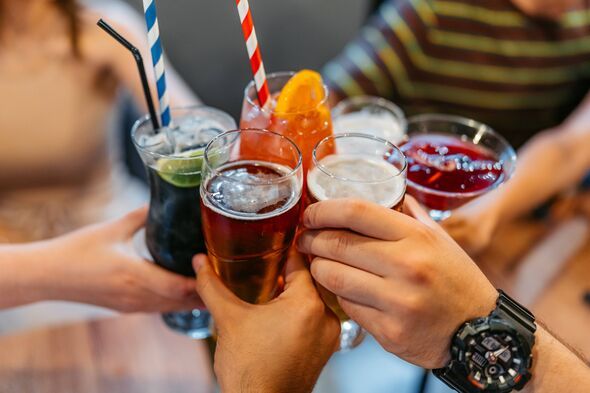
As temperatures are expected to climb, following reports of places hitting higher levels than well-known hotspots such as Cairo and Athens, people may be tempted to make the most of the weather by having a drink outdoors. However, during peak pollen season, this setting puts millions at risk as heading to beer gardens for a drink could make hay fever considerably worse.
The Met Office states on its website that "beer, wine and other spirits contain histamine - the chemical that sets off allergy symptoms in the body". By consuming too many of their favourite alcoholic tipples, hay fever sufferers could find their symptoms significantly aggravated.
Allergy UK claims that drinks containing alcohol can worsen allergy symptoms as it acts as a suppressant on the immune system. Experts say that this "stops the immune system from being as effective at helping to deal with the effects of an allergic reaction".
Most alcoholic beverages contain elevated levels of histamine, though red wine is particularly high, reports the Mirror. Drinking large quantities of alcohol can also leave you feeling dehydrated, which will further worsen hay fever symptoms.
In a post shared by Kleenex UK, there are measures that can be taken to minimise the effects. A spokesperson said: "On days when the pollen count is high, it might be smart to reach for low-histamine clear spirits such as gin and vodka. Or if you'd rather avoid alcohol altogether, there are plenty of summery soft drinks and alcohol-free alternatives available that are just as refreshing."
The well-known tissue brand also suggested that people should cut back on their sugar consumption during peak pollen season. Sugar is said to be inflammatory, and consuming excessive amounts of fizzy drinks and sweets could "severely worsen allergy symptoms".
The brand spokesperson added: "White sugar, agave and corn syrup are all processed like sugar in your body. When seasonal allergies are reaching their peak, take a break from all sugars and sweeteners to avoid exacerbating your hay fever symptoms."
Chocolate is also "brimming with histamines" and can hinder your body's ability to eliminate histamine, leading to inflammation and further complications. Despite their popularity amongst health-conscious individuals, fermented foods such as kimchi, sauerkraut, and kombucha harbour high levels of histamine.
Beyond medication and measures to reduce pollen exposure, people can naturally support their bodies in combating inflammation by consuming pineapple and a variety of berries, as well as sipping herbal teas such as ginger, liquorice root, turmeric, and green tea.
To keep health risks from alcohol low, the NHS advises that people should not drink more than 14 units a week on a regular basis. For help and support if you believe you have a problem with alcohol, click here.
-
IFFCO Recruitment 2026: Recruitment Announced for These Posts at IFFCO; Apply by This Date

-
CRPF Recruitment 2026: A Golden Opportunity for 10th-Pass Youth; Recruitment for 9,195 Constable Posts Begins

-
Good News for India! Amidst the Iran Conflict, World Bank Raises GDP Forecast—Find Out by How Much

-
LPG Quotas Fixed for All! No More Arbitrary Usage by Industries; Discounts Available on PNG Connections

-
Gunmen Kill At Least 20 In Northwest Nigeria Attack; Dozens More Feared Dead Across Region