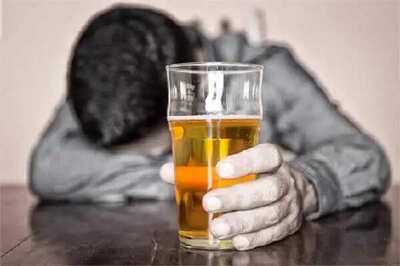
Sometimes, individuals consume so much alcohol that they lose awareness of their actions. The following morning, they often find themselves grappling with a hangover, which can be accompanied by anxiety. When hangover symptoms and anxiety occur simultaneously, it is referred to as 'hangxiety.'
What Causes Hangxiety?
Hangxiety arises when one experiences both a hangover and anxiety after drinking. Common hangover symptoms include nausea, dehydration, and headaches, while anxiety may manifest as feelings of guilt, embarrassment, nervousness, and regret. Many people wake up wondering if they did something regrettable while intoxicated. If you frequently find yourself anxious about your actions, you might be experiencing hangxiety.
Excessive alcohol consumption triggers chemical reactions in the body, affecting three neurotransmitters: dopamine, GABA, and glutamate. Initially, alcohol creates a sense of relaxation and pleasure, but as its effects wane, the body's chemical balance returns to normal, leading to increased anxiety as relaxation diminishes.
Symptoms of Hangxiety
- Difficulty concentrating
- Sleep disturbances
- Simultaneous physical and psychological symptoms of anxiety
- Restlessness
- Irregular heartbeat
- Feelings of panic
- Increased heart rate
- Heightened alertness or stress
Does Everyone Experience Hangxiety?
Not everyone suffers from hangxiety after a hangover. Those who are generally more anxious, take antidepressants, or have mental health disorders may be more susceptible to this condition.
How to Manage Hangxiety?
To mitigate hangxiety, it is crucial to limit alcohol intake. Avoid excessive drinking and identify personal triggers for alcohol consumption, such as social pressure or anxiety. Understanding the reasons behind your drinking can help you address hangxiety effectively. If you choose to drink, do so in moderation. If you already feel anxious, stay hydrated by drinking plenty of water. Engage in calming exercises, practice deep breathing, or talk to a friend. If anxiety symptoms persist, consider consulting a mental health professional.
-
IFFCO Recruitment 2026: Recruitment Announced for These Posts at IFFCO; Apply by This Date

-
CRPF Recruitment 2026: A Golden Opportunity for 10th-Pass Youth; Recruitment for 9,195 Constable Posts Begins

-
Good News for India! Amidst the Iran Conflict, World Bank Raises GDP Forecast—Find Out by How Much
-
LPG Quotas Fixed for All! No More Arbitrary Usage by Industries; Discounts Available on PNG Connections
-
Gunmen Kill At Least 20 In Northwest Nigeria Attack; Dozens More Feared Dead Across Region