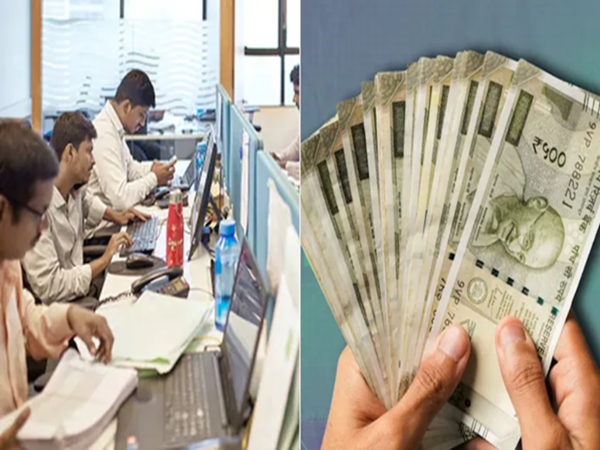
New Labour Codes: Nowadays, working beyond scheduled hours has become a common occurrence in jobs. Due to work pressure, employees often find themselves compelled to stay at the office longer than required. The good news, however, is that the new Labour Codes have established clear regulations regarding overtime, ensuring that employees receive fair compensation for their hard work. According to the new rules, if an employee works beyond their standard duty hours (typically 8 or 9 hours), the company is obligated to pay them for that extra time. A key highlight is that overtime pay must be at least double the standard hourly wage. In other words, whatever you earn in a regular hour, you will receive double that amount for overtime work.
How is Overtime Pay Calculated?
Overtime pay is calculated based not on your Cost to Company (CTC), but specifically on your Basic Salary. For instance, let's assume your CTC is ₹30,000. Typically, the Basic Salary component within this figure is considered to be roughly half—that is, ₹15,000. This Basic Salary is then divided by the number of working days to determine your daily earnings. Subsequently, your hourly wage is calculated based on that daily figure.
To put it simply:
Your daily earnings amount to approximately ₹577. If we divide this across an 8-hour workday, your hourly wage comes to about ₹73.
Now, since overtime pay is double the standard rate, working one hour of overtime would earn you approximately ₹146.
How Much Extra Can You Earn in a Month?
If you work just one extra hour every day, this amount accumulates into a substantial sum over the course of a month. Assuming a standard work month of 26 working days, you could earn an additional ₹3,700 to ₹3,800. In short, you are now set to reap the rewards of your hard work.
Just Keep These Points in Mind:
Ensure you know your exact Basic Salary.
Maintain a record of all the overtime hours you work.
Additionally, make sure you fully understand your company's specific rules and policies beforehand.
Disclaimer: This content has been sourced and edited from NDTV India. While we have made modifications for clarity and presentation, the original content belongs to its respective authors and website. We do not claim ownership of the content.
-
ISRO successfully conducts second integrated air drop test for Gaganyaan mission

-
ISRO successfully conducts second integrated air drop test for Gaganyaan mission

-
SC stays criminal proceedings against priest for claiming Christianity only true religion

-
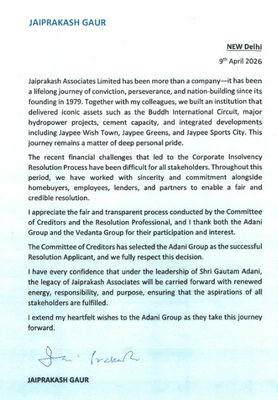
Jaiprakash Gaur expresses full confidence in Adani Group to take Jaiprakash Associates forward
-
Shoppers say £30 trainers look like 'Hoka but without the price tag'