Top News

Parkinson Signs, Symptoms, Precautions: What Every Indian Family Needs To Know About Parkinson's in 2026
Vijaya Mishra | April 11, 2026 1:11 PM CST
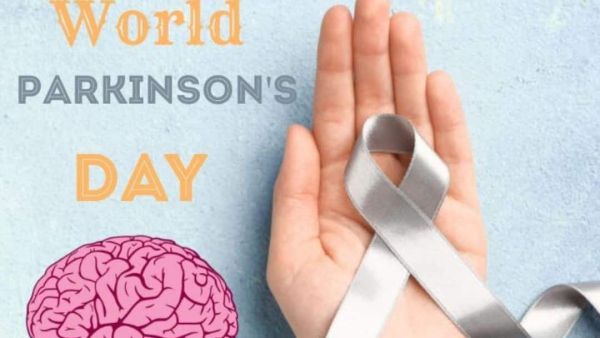
On April 11, observed as World Parkinson's Day, it is important to understand that Parkinson's disease is no longer something Indian families can ignore or associate only with old age. Doctors across the country are now seeing more people in their 30s and 40s being diagnosed.

This shift makes awareness more important than ever. The condition develops slowly and often begins with subtle, easy-to-miss symptoms. Many families delay seeking help due to lack of awareness or stigma. With timely diagnosis, better awareness, and the right support, families can improve quality of life significantly.

Symptoms Of Parkinson's Disease

“Parkinson’s disease is no longer a condition families can afford to ignore,” says Dr. Sumit Kumar, Senior Consultant – Neurology, Regency Health, Kanpur. Parkinson's disease is a progressive condition caused by the loss of dopamine-producing cells in the brain.

While most people notice movement-related symptoms first, the disease often begins much earlier. “Sleep problems, mood changes, constipation, and loss of smell can appear years before visible signs,” explains Dr. Kumar.

The most recognised symptom is a resting tremor in one hand. However, families often miss other early warning signs. These include stiffness on one side of the body, slower daily movements, smaller handwriting, reduced facial expressions, and a soft or flat voice. “If these symptoms appear together or gradually worsen, a neurological evaluation should not be delayed,” he advises.

Pinterest\@Cathe Friedrich

Precautions And Measures 

Lifestyle also plays an important role in managing the condition. Regular physical activity, including aerobic and strength exercises, helps maintain brain health. A balanced diet rich in antioxidants, proper sleep, and reduced exposure to pesticides and industrial chemicals are especially important in Indian environments.

Dr. Kumar adds, “Genetic counselling can be considered in families with a history of Parkinson’s.” This helps assess risks and plan early care if needed. One major concern in India is delayed diagnosis.

“The gap between first symptoms and diagnosis is still too wide due to stigma and low awareness,” he notes. Early diagnosis allows better symptom control and improves long-term outcomes.

A well-informed family can make a significant difference. Recognising early signs, supporting regular treatment, and preparing for caregiving needs can lead to better management of the disease.

[Disclaimer: The information provided in the article is intended for general informational purposes only. It is not a substitute for professional medical advice, diagnosis, or treatment. Always seek the advice of your physician or other qualified healthcare provider with any questions you may have regarding a medical condition.]


READ NEXT
Cancel OK