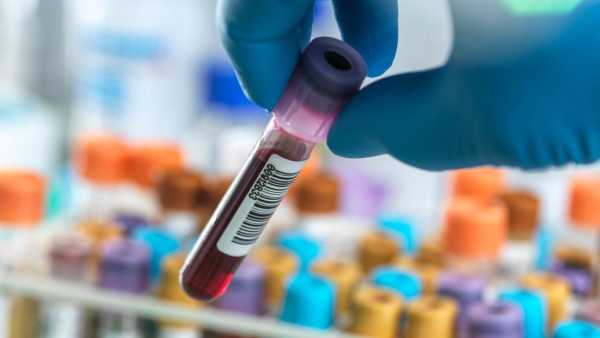
Increasing protein level in blood test is not considered normal and it can be a sign of some internal problem in the body. Generally protein is essential for the body, but when its quantity increases abnormally, there can be many reasons behind it. This condition may indicate infection, inflammation or other health problems. Sometimes, due to lack of water in the body i.e. dehydration, the level of protein may appear increased.
In addition, long-lasting swelling, immune system Disease related problems or effect of some medicines can also become the reason for this. Nutritional imbalance in the body and wrong lifestyle habits can also affect this condition. Therefore, it is very important to understand its reasons in time and get proper investigation done. Let us know which diseases are the symptoms of increased protein in blood test and how dangerous it is.
Which diseases are symptomatic of increased protein in blood test?
Dr. Ajit Jain, Associate Professor at Rajiv Gandhi Hospital, Delhi It is said that increase in protein in blood can be related to many diseases. This condition may indicate chronic infection, liver problems or impaired kidney functioning. In some cases, it also occurs due to abnormal activities of the immune system, where the body starts producing more protein than required.
Apart from this, some serious conditions like blood related diseases like multiple myeloma can also increase the protein level. Continuously increased protein level can affect different parts of the body, hence it is very important to know the exact reason.
How dangerous is increased protein in blood?
How dangerous is the increase in protein in blood, it depends on its cause and level. If it is mild and temporary, there is usually nothing to worry about. But if it persists for a long time, it can be a sign of a serious problem in the body.
Excess protein can make the blood thick, which can affect blood flow. This can put more pressure on the kidneys and heart. Therefore, it is not right to ignore it and timely investigation is necessary.
How to protect?
To avoid the problem of increased protein in blood, it is important to adopt a balanced lifestyle. Drinking enough water, taking a balanced diet and doing regular exercise helps in keeping the body healthy.
It is also important to get health checkups done from time to time, so that any abnormality can be detected quickly. Apart from this, do not take medicines without doctor's advice and do not ignore any symptoms.
-
Aadhaar Card: How to Correct Your Father's Name on Your Aadhaar Card? Learn the Step-by-Step Process..

-
CBSE Three-Language Formula: Three languages will be taught in CBSE schools starting from this academic session...

-
Induction Cooktop: If not used properly, the induction cooktop glass will break! Keep these 3 things in mind..

-
Is your AC bill skyrocketing? Try these 7 smart cooling hacks to get relief from high electricity bills...

-
How to Change Your Name on Your Aadhaar Card and PAN Card After Marriage? know here..