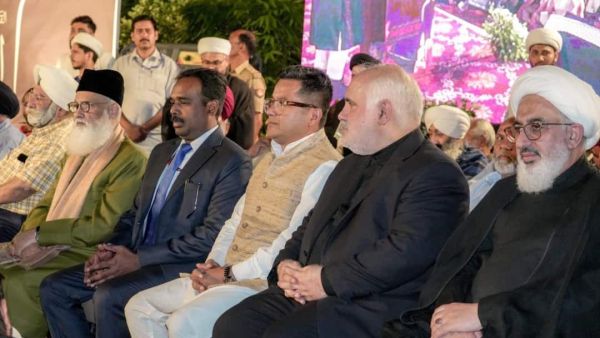
Minister of State for External Affairs Pabitra Margherita represented the Indian government at a 40th-day mourning ceremony for Iran’s late Supreme Leader Ali Khamenei in New Delhi, underlining enduring bilateral ties. The Iranian side expressed deep gratitude to India and its people for their solidarity following Khamenei’s death. The ceremony comes against the backdrop of escalating tensions in West Asia and a diplomatic impasse between Tehran and Washington, highlighting both emotional outreach and geopolitical strain.
Minister of State Shri Pabitra Margherita offered solemn respects on behalf of the Government of India at the 40th day (Chehelum) mourning ceremony organized by the Embassy of Iran in New Delhi.
— Randhir Jaiswal (@MEAIndia) April 12, 2026
India–Iran relations are anchored in deep rooted civilizational, cultural and… pic.twitter.com/atZle5aKk4
India-Iran Solidarity
The ceremony, organised by the Iranian Embassy in New Delhi, marked the Chehlum, or 40th-day memorial, of Khamenei. India’s participation was presented as a reflection of longstanding civilisational and cultural ties between the two nations.
Abdul Majid Hakeem Ilahi, representative of Iran’s Supreme Leader in India, thanked both the government and citizens of India for their support during the mourning period. Addressing attendees at the Iranian Cultural Centre, he said the gathering was not only to honour Khamenei’s legacy but also to acknowledge India’s “loyalty, wisdom and commitment to justice”.
Ilahi noted that public participation and messages of sympathy demonstrated that “truth knows no boundaries”, emphasising shared values between the two countries.
Leadership Change, Regional Strain
Khamenei’s death at the age of 86 in joint US-Israel strikes on February 28 triggered a sharp escalation in regional tensions. His successor, Mojtaba Khamenei, has since taken charge amid a fragile security environment.
Diplomatic efforts to ease tensions have faltered. Talks in Islamabad ended without agreement, with US Vice President JD Vance confirming a stalemate after Tehran refused to accept Washington’s key conditions, including demands linked to the Strait of Hormuz and its nuclear programme.
Iran’s foreign ministry spokesperson Esmaeil Baqaei said Tehran had engaged constructively but accused the US of making “excessive demands” that hindered progress.
Deadlock Deepens
Baqaei maintained that any breakthrough depends on recognition of Iran’s “legitimate rights and interests”, adding that recent setbacks have only strengthened the country’s resolve.
Reports indicate Iran presented “reasonable proposals” during negotiations, but officials suggested responsibility now lies with Washington to move forward.
-
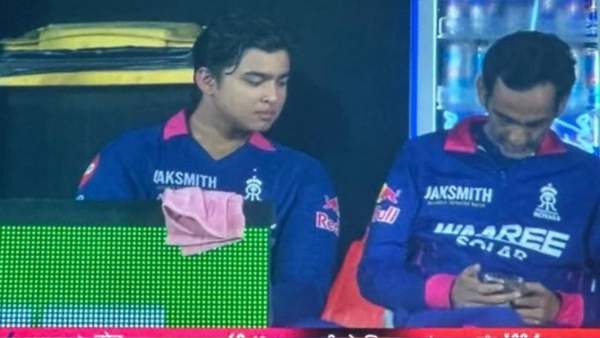
Rajasthan Royals Team Manager Romi Bhinder Caught Using Mobile Phone In Dugout During IPL Match, BCCI Orders Probe
-
RCB Vs MI: Anushka Sharma Keeps It Simple Yet Elegant; Ananya Birla's Sweet Gesture Leaves Netizens Abuzz

-
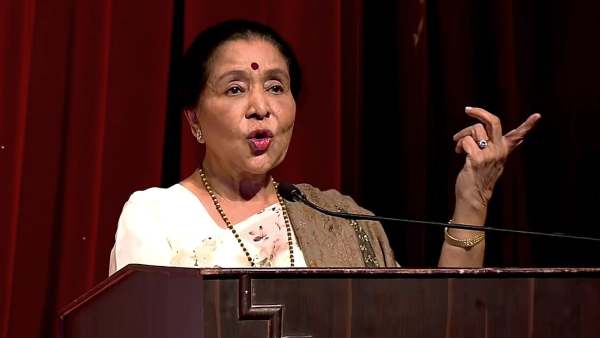
From Heartbreak To Hits: Asha Bhosale’s Emotional Journey Through Timeless Music Legacy
-
Chelsea player ratings vs Man City with two 4/10s as Cole Palmer struggles in loss

-
Dubai property prices unlikely to soften across every segment