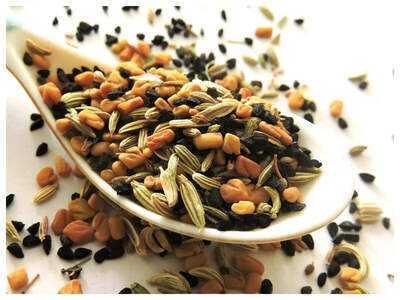
We’ve had a blessed April, till yesterday. Western disturbances made sure the ACs and coolers weren’t needed this year as far as mid-April. Thank the universe. Now begins the heat and sweat. The loo and the lassi. The cotton blends and the Kolhapuris. But we are talking about cooling our tummies today. We are talking about a spice mix that’s exclusive to the eastern part of India: Panch Phoron .
Appetites turn fickle as the sun shines in its true form, letting us all know of its immense power. And to combat the effects, the eastern Indian kitchen uses a time-tested solution of paanch phoron to cool our testing tummies. This humble five-spice blend is used as a prominent ingredient in the cuisines of Bengal, Odisha, and the Bhojpuri region of Bihar. It is also used in the cuisines of Bangladesh, Northeast India, some places in Bhojpur, Mithila, Assam and Nepal. The name, panch phoron, literally means “five spices” – fenugreek seed (methi), cumin seed (jeera), nigella seed (kalonji), black mustard seeds and fennel seed (mouri/saunf) in equal parts. There is one deviation that some people prefer, where the black mustard seeds are sometimes substituted with wild celery seed (radhuni). Some prefer to use a smaller proportion of fenugreek seeds, because of their mildly bitter taste. Unlike most spice mixes, panch phoron is always used whole – often tempered lightly in oil. The result is food that feels light, aromatic, and easy to digest.
Here are five reasons why you may want to try paanch phoron during the hotter months.
1. It supports digestion when heat slows the gut Summer disrupts our stomachs and digestion becomes an everyday issue. Don’t rush for meds. Go for a long-term solution. Get that panch phoron. It counters heat in our bodies with a carefully balanced mix of spices known for their digestive properties. Fenugreek helps regulate blood sugar and soothes the stomach lining, cumin aids enzyme activity, and fennel reduces bloating and acidity. Together, they create a synergy that gently stimulates digestion without the aggression of chilli-heavy masalas. This makes everyday dishes like dals and vegetables easier to process, even in oppressive heat.

2. It has a natural cooling effect on the bodyNot all spices heat the body. Some do the opposite. Fennel seeds, a key component of paanch phoron, are known in traditional Indian dietary practices for their cooling properties. Nigella seeds, too, have a balancing effect on internal heat. When compared to garam masala or heavily roasted spice blends, which can increase body heat and lead to discomfort, paanch phoron feels lighter and more aligned with the body's need to stay cool. This is why it features so prominently in Bengali, Odiya and Bhojpuri summer dishes like panch mishali iorkari (mixed vegetable curry), labra (a traditional mixed vegetable stew), chorchori (a stir-fried vegetable dish), Moong dal with panch phoron tadka, aloo posto (potatoes with poppy seeds)and many more...
3. Enhances flavour without heavinessSummer cooking calls for restraint. The palate craves freshness rather than intensity. Unlike layered masalas that require grinding, roasting, and slow cooking, this spice delivers complexity with minimal intervention. When added to hot oil, the seeds crackle and bloom, releasing a spectrum of flavours, from the slight bitterness of fenugreek to the sweetness of fennel and the sharpness of mustard. The food remains light yet flavourful, an ideal balance for the season.
4. Aligns with seasonal eating principlesPaanch phoron is most commonly used in dishes that are themselves summer-friendly: lauki (bottle gourd), tori (ridge gourd), pumpkin, lentils, and even raw mango chutneys. Compared to rich gravies or spice-heavy preparations that dominate winter menus, these dishes feel intuitive and restorative. It doesn’t overpower the natural taste of ingredients; it elevates them, allowing seasonal produce to shine.
5. It requires less oil and cooking timeHeavy masalas often need slow cooking and generous amounts of oil or ghee to bring out their flavours fully. Paanch phoron works almost instantly, just a quick tempering in hot oil is enough to release its aroma. This not only reduces cooking time but also keeps dishes lighter. In a modern context, where people are increasingly conscious of oil consumption and time, this is a significant advantage.
Try this quick recipe at home as a starter:
Moong dal with Panch Phoron tadka
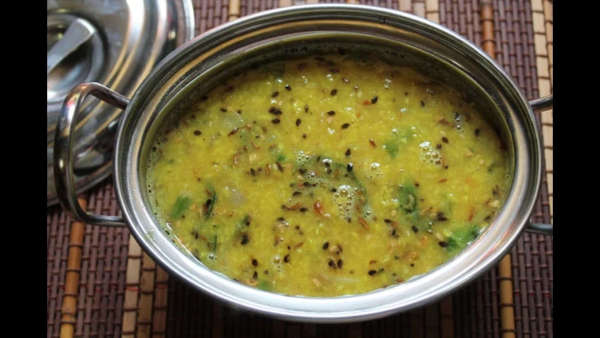
Ingredients: 1 cup yellow moong dal, washed, 1 tsp Panch Phoron blend, 2 tbsp mustard oil or ghee, 1 dried red chilli, 1 bay leaf, ½ tsp turmeric, Salt, sugar to taste
Method: Cook dal with turmeric and salt until soft. Heat oil, add Panch Phoron spice, along with bay leaf and red chilli. Let the spice mix pop. Pour tadka over cooked dal and simmer for 5 minutes. Finish with a pinch of sugar.