
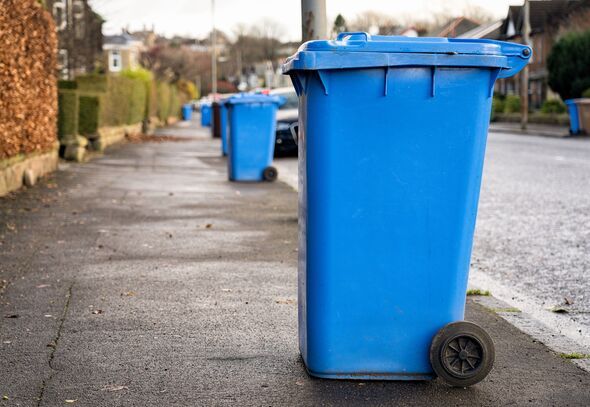
Recycling is an important process for managing waste throughout the UK. Most UK households are familiar with the basics of separating their rubbish between the main bin and any others, yet many items are recyclable that few people realise.
England's national recycling campaign, Recycle Now, has claimed that, despite many homeowners being used to the everyday items that go in recycling bins, other items are being thrown out unnecessarily. There is an online guide detailing certain items that can be given a second lease of life rather than ending up in landfill.
A spokesperson said: "While we're used to rinsing out glass jars and flattening down cardboard packaging for collection, it's easy to forget that just because something can't be collected kerbside doesn't mean it can't be recycled! Here are just a few of the things you can recycle in other ways."
People may not always be able to place items like these directly into their home recycling bin, but many unwanted items can be recycled. Check your local council website to find out what is accepted, and where, in your area.
In the UK, leaving side waste beside wheelie bins is regarded as a breach of the household waste duty of care or a Section 46 offence under the Environmental Protection Act 1990. Many councils now issue Fixed Penalty Notices for side-waste, typically ranging from £80 to £100, although most cases begin with a warning before repeat offenders are made to pay , reports the Mirror.
A Recycle Now spokesperson said that electrical devices are often not allowed in waste bins, but added: "Any device that has a plug, batteries, or needs charging falls under the category of 'Waste Electrical and Electronic Equipment'. While this can't go in the wheelie bin, it can either be given to charity (if it still works) or taken into the store where you're replacing it for the retailer to recycle for you"
Beauty products frequently cannot be recycled at home in the UK because they are manufactured from complex, mixed materials (plastics, glass, and metal combined), are too small for sorting machines, or contain residual chemical, cosmetic, or nail polish contamination that prevents them from being recycled. However, anyone with a "drawer full of old lipsticks and other used beauty products" should consider using one of the many take-back schemes run by certain stores to 'recycle' items, as they often reward customers with loyalty points or future discounts.
Whether you can include them in your kerbside collection depends on your local authority, but batteries are also commonly binned when they could be recycled. If batteries aren't accepted by your local authority, you'll likely find a battery recycling point in your nearest supermarket or electronics store.
A Recycle Now spokesperson said: "We Brits love our crisps, and while the empty packets can't currently go in your recycling bin at home, they can still be recycled if you take them to recycling points that accept plastic bags. Crisp packets can be recycled at supermarkets across the country."
While many people assume furniture should be sold or given away due to its size and bulk, it can in fact be recycled. Residents can drop off old furniture at their nearest Recycling Centre, or check whether their local council offers a bulky item collection service.
Clothing can generally be recycled too, according to experts. Recycle Now recommends donating items to a charity shop, listing them on a clothes swap or resale site, or keeping them in circulation wherever possible, but any garments that are "beyond repair" may be better sent off for recycling.
Various types of pet bedding can also be recycled. Materials such as straw, hay and sawdust can be placed in your green garden waste wheelie bin, fabric beds and blankets can go in the textiles section of your local Recycling Centre, and plastics belong in the general plastics section.
Should carpet fitters be unable or unwilling to remove old flooring, carpets may be recycled at your local Recycling Centre, as can any unwanted rugs that are no longer suitable for selling or donating. It is also noted that newer, energy-efficient lightbulbs can be recycled, though not all councils accept them in kerbside collections. Below is the complete list of lesser-known items that may be suitable for recycling:
- Electronics
- Beauty products
- Batteries
- Pet bedding
- Crisp packets
- Furniture
- Clothes
- Lightbulbs
- Carpet/Rugs
Not sure if an item can be recycled at home, at a specifc place or at all? People can use the free Recycle Now website tool and look up a range of common materials and find out if and where they can be repurposed.
-
Banks to Remain Closed on April 15: RBI Announces Holiday for Regional New Year Celebrations

-
Gold Loans Surge in India: Why Households Are Turning Jewellery into Quick Cash

-
Selling Ancestral Property? Here’s How Much Tax You’ll Pay and Ways to Save

-
Akshaya Tritiya 2026: Should You Pre-Book Gold Amid Record Prices? Pros, Cons Explained

-
Retirement Planning Made Easy: How to Build a Big Corpus Even on a Small Salary