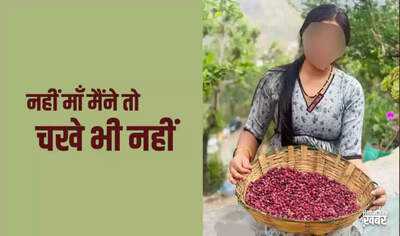
The Story of a Widow and Her Daughter
In a small village, a widow lived with her young daughter, who was around six or seven years old. They were struggling to survive in poverty.
One morning, the mother went out to gather grass and brought back some kafal berries. The sight of the berries filled the daughter with immense joy.
The mother said, "I’m going to work in the fields, and we will eat the kafal when I return." She placed the berries in a basket and covered them with a cloth.
The daughter eagerly awaited the moment she could taste the kafal, repeatedly lifting the cloth to imagine their sweet and sour flavor. However, she obediently refrained from eating any.
When the mother returned in the evening, the daughter rushed to her and asked, "Mom, can we eat the kafal now?"
The mother, exhausted, replied, "Let me catch my breath first, dear."
Upon opening the basket, the mother noticed that the kafal were fewer than before.
Angrily, she asked, "Did you eat them?"
The daughter replied, "No, Mom, I didn’t touch them!"
Frustrated from fatigue, hunger, and the heat, the mother slapped her daughter in anger. The daughter cried out, "I didn’t eat them, Mom..." and collapsed in tears.
Realizing her mistake, the mother picked her daughter up and began to wail, "Oh God! What have I done! I picked these kafal for her..."
She spent the night crying in sorrow, having thrown the basket outside in her rage.
The next morning, she discovered that the basket was full of kafal again! The heat had caused the berries to wilt, making them appear fewer, but the cool night air had revived them.
Seeing this, the mother was overwhelmed with regret and died on the spot.
Legend has it that both transformed into birds after their deaths. Even today, when kafal ripen, one bird sings sorrowfully, "kafal pako, mai ni chakho" (the kafal are ripe, but I haven’t tasted them), while another responds, "poor putai poor poor" (it’s full, dear, it’s full).
-
California Assembly adopts resolution on Vaisakhi, US lawmakers extend greetings

-
Spain: Sanchez government finalizes amnesty plan for undocumented migrants

-
Rahane Reflects on KKR's Bowling Strengths and Batting Challenges

-
Sunrisers Hyderabad Triumph Over Rajasthan Royals with Stellar Debuts

-
Universal Credit in 'full-blown crisis' as claimants soar by 1.5m under Labour