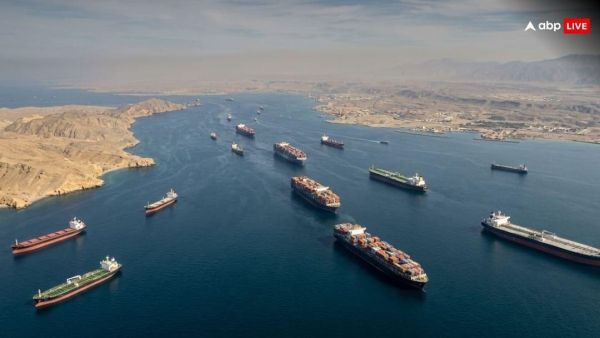
Iran could be forced to slash oil production within weeks if a proposed US naval blockade succeeds in choking off its exports, raising fresh concerns over global energy markets and escalating geopolitical tensions.
Satellite data shows Iran’s crude storage tanks are already over 50% full, leaving limited room to stockpile unsold oil. At current export levels of nearly 1.8 million barrels per day, experts estimate the country may run out of storage space in just over two weeks -- potentially forcing Tehran to cut output.
Iran May Pump Oil For Just 15 Days
Energy analysts believe Iran may continue pumping oil for 10–15 days if exports are disrupted, before scaling back production across multiple fields. However, shutting down oil fields is not without risk, as prolonged closures can cause lasting damage to reservoirs.
Despite mounting pressure, Iran has so far continued exporting oil through the Strait of Hormuz, even during ongoing regional tensions. In fact, recent sales have reportedly surged after the temporary easing of US sanctions, boosting revenues well above government projections.
But that window may soon close. The US sanctions waiver is set to expire on April 19, and a stricter crackdown could follow.
Experts warn that a blockade could cost Iran hundreds of millions of dollars daily, while also risking wider conflict. Tehran has previously threatened retaliation, including disrupting key global shipping routes like the Red Sea.
While Iran insists its exports cannot be easily halted, analysts say the situation could turn into a high-stakes test of endurance between Washington and Tehran, one that may have far-reaching consequences beyond the region.
How Will It Affect India?
A disruption to Iran’s oil exports, especially through a US-backed blockade, would have real, immediate ripple effects on India, even though India doesn’t currently import much oil directly from Iran. Petrol and diesel prices could rise since India imports over 85% of its crude oil. Nearly 60% of India’s oil imports pass through Hormuz, so any disruption will lead to delays, higher insurance costs, and supply uncertainty.