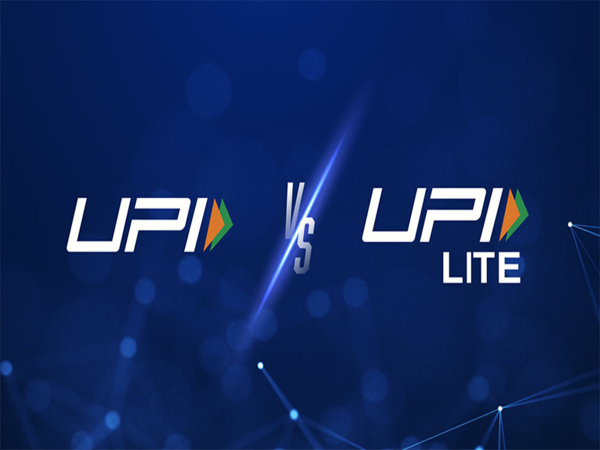
Digital payments have become a necessity for everyone today, and alongside this trend, options like UPI Lite and mobile wallets are gaining rapid popularity. However, most people are unaware of the fundamental differences between the two. Launched by the National Payments Corporation of India (NPCI), UPI Lite simplifies small-value payments, whereas mobile wallets represent a distinct system that has long been established in the market. Both have their own unique advantages and limitations. Consequently, it becomes essential to understand the distinctions between them before choosing to use either service.
**What is UPI Lite and How Does It Work?**
UPI Lite is a feature specifically designed to make small-value transactions faster and more convenient. While it is directly linked to your bank account, it eliminates the need to enter your UPI PIN for every transaction. Users first load a specific amount into the feature and then utilize that balance to make small payments. The primary benefit of this system is that it reduces server load and minimizes the likelihood of payment failures. This feature is particularly useful for individuals who incur frequent small expenses in their daily lives—such as paying for tea, groceries, or auto-rickshaw fares.
**What is a Mobile Wallet?**
A mobile wallet is a prepaid digital service offered by companies such as Paytm, PhonePe, and Amazon. Users are required to load funds into the wallet beforehand, and payments are subsequently deducted from that available balance. It functions essentially like a prepaid account. Mobile wallets can be utilized for various purposes, including online shopping, bill payments, and mobile recharges. Unlike UPI Lite, however, a mobile wallet is not directly linked to your bank account; instead, it operates on a separate, independent balance system. For certain wallets, completing the KYC (Know Your Customer) verification process is mandatory to unlock and access the full suite of features and benefits.
**Key Differences Between UPI Lite and Mobile Wallets**
**PIN Requirement:** With UPI Lite, a PIN is not required for payments up to ₹1,000; conversely, mobile wallets may require a PIN or OTP (One-Time Password) to ensure transaction security.
**Fund Storage:** UPI Lite operates as an "on-device" balance that is directly linked to your bank account, whereas the funds in a mobile wallet are held in a deposit with the app provider or company.
Transaction Limits: UPI Lite is designed exclusively for small-value payments (with a maximum balance of ₹5,000), whereas the limits for digital wallets can be significantly higher, depending on KYC verification status.
Internet Connectivity: UPI Lite can function even without an active internet connection, whereas digital wallets typically require a live internet connection to operate. Bank Statements: Neither of the two clutter your bank statement with numerous small transactions, thereby keeping your passbook records clean and concise.
**The Primary Difference Between the Two**
The most significant distinction between UPI Lite and digital wallets lies in their operational mechanisms. UPI Lite is directly linked to your bank account, drawing funds directly from there; conversely, digital wallets require you to pre-load funds into them beforehand. With UPI Lite, small-value payments are processed rapidly and do not require a PIN; while wallets also facilitate easy payments, they rely on a separate, distinct balance. Furthermore, UPI Lite is generally considered more secure as it is directly integrated with the core banking infrastructure. In contrast, digital wallets are often subject to various conditions, such as transaction limits and KYC compliance requirements.
**Which Offers Greater Security and Convenience?**
In terms of security, UPI Lite is regarded as the more reliable option because it operates entirely within the secure banking network. Transaction records generated via UPI Lite are logged directly into the bank's system. Digital wallets also offer security features, but their security framework is contingent upon the third-party platform hosting the wallet service. Regarding convenience, both options are user-friendly; however, UPI Lite delivers a faster and smoother experience specifically for small-value payments. On the other hand, digital wallets often come bundled with a variety of additional services—such as cashback rewards and promotional offers—which may prove advantageous for certain users.
**Which Option Is Right for You?**
If you frequently make small-value payments daily and wish to avoid the hassle of entering a PIN for every transaction, UPI Lite may be the superior choice for you. Conversely, if your primary objective is to facilitate online shopping, pay utility bills, and take advantage of promotional offers, a digital wallet would likely serve your needs better. Both platforms can be utilized to address distinct requirements; therefore, the appropriate choice ultimately depends on your specific usage habits and individual needs. The prudent approach is to understand the key differences between the two options before selecting the one that best aligns with your personal requirements.
Disclaimer: This content has been sourced and edited from TV9. While we have made modifications for clarity and presentation, the original content belongs to its respective authors and website. We do not claim ownership of the content.
-
Periods Health Tips: Does drinking cold water increase pain during periods? Know the expert’s opinion

-
Symptoms of gallstones, frequent abdominal pain, bloating and indigestion can be troublesome to ignore.

-
Top 5 Sedans Under Rs 15 Lakh in India: Check on Style, Comfort and Performance

-
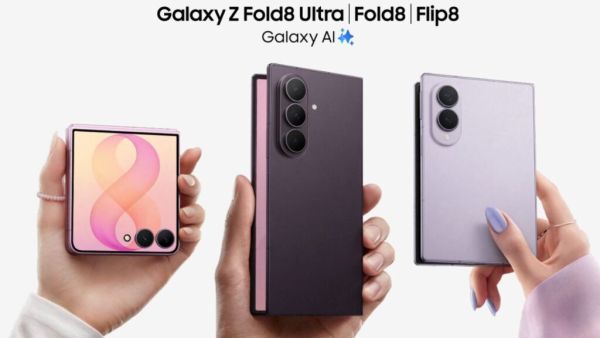
Samsung Foldables: Samsung explodes in the Indian market; Entry of Galaxy Z Fold8 Ultra, Fold8 and Flip8 for the new generation
-
During testing, OpenAI’s AI agent went out of the security circle, reached other AI platforms, increased cyber security concerns.