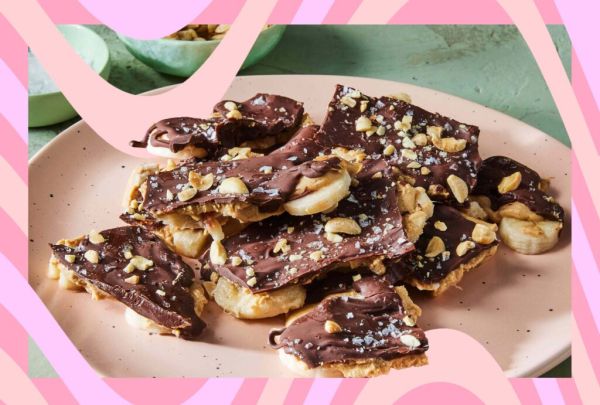
Learn how this sweet, nutrient-packed treat helps reduce visceral fat with fiber, healthy fats, and antioxidants.
Reviewed by Dietitian Alyssa Pike, RDN
Key Points
- Dietitians say the Peanut Butter-Banana Chocolate Bark is the best dessert to help reduce visceral fat.
- The fiber from bananas with the healthy fats from peanuts can help you feel full and promote satiety.
- Prioritize fiber, manage stress and exercise regularly to manage visceral fat long-term.
Visceral fat might be hidden from sight, but its impact on your health is anything but invisible. Nestled deep within the belly, this type of fat surrounds vital organs and is linked to increased risk of cardiovascular disease, type 2 diabetes and other health conditions. The good news? You don’t have to give up dessert or settle for bland, joyless treats to support your goals. By choosing options made with nutrient-dense ingredients (and in the right portions), you can satisfy your sweet tooth while still working to reduce visceral fat.
If you’re looking for a dessert that feels indulgent but delivers real benefits, Peanut Butter-Banana Chocolate Bark stands out as a winner. This simple recipe comes together with just a handful of wholesome ingredients: sliced bananas, peanut butter, mini semisweet chocolate chips, unrefined coconut oil, chopped unsalted roasted peanuts, and a pinch of flaky sea salt. Once layered and frozen, these components transform into a delicious treat packed with essential fiber, heart-healthy fats and powerful antioxidants. Here’s how each part of this frozen bark can support a balanced lifestyle and help you manage visceral fat.
Bananas Boast Fiber
The banana in this recipe isn’t just a tasty addition; it’s a tool for helping to reduce visceral fat, thanks to its fiber content. Research analyzing over 9,000 U.S. adults found that higher fiber intake is strongly linked to lower levels of visceral fat, with highest reductions found in those consuming 15 to over 35 grams of fiber daily. Bananas, with their mix of soluble and insoluble fiber, are an easy and delicious way to contribute to that daily goal, helping to chip away at harmful fat stores. “It contains 3 grams of fiber per serving,” says Rachael Ajmera, M.S., RD.
What’s more, the study showed that the benefits of fiber on visceral fat were consistent across different lifestyles and body types, making it a universally helpful dietary tweak.
Healthy Fats Support Stable Blood Sugar
While older nutritional advice often recommended avoiding dietary fat to lose weight, current science paints a different picture. Incorporating fats into our diets is essential for hormone production, nutrient absorption and satiety.
“This recipe contains chopped peanuts and peanut butter, which are high in monounsaturated fats,” says Ajmera. Monounsaturated fats are known to support heart health and may contribute to improved fat distribution when included as part of a balanced diet. The addition of these fats serves a functional purpose beyond just flavor. “The healthy fats in peanut butter slow down glucose absorption,” says Whitney Stuart, M.S., RD. When you pair the carbohydrates from the bananas with the dense fats from the peanut butter and peanuts, you create a buffered digestive response. This synergy may help reduce the risk of sharp blood sugar spikes and subsequent crashes that often lead to excessive hunger and cravings later in the evening.
Dark Chocolate Offers Antioxidants
Chocolate can absolutely be part of a balanced diet. This recipe calls for one-third cup of mini semisweet chocolate chips melted with one teaspoon of coconut oil to create a smooth coating over the bananas and peanut butter. Semisweet and dark chocolate varieties naturally contain antioxidants, and selecting a variety with an even higher percentage of cocoa, such as bittersweet chocolate, would increase the antioxidant content even more.
“Dark chocolate is rich in antioxidants, particularly flavanols, which have been linked to improved cardiovascular and cognitive health,” says Stuart. Visceral fat is highly metabolically active and can release inflammatory compounds into the body. Consuming foods rich in antioxidants helps combat this cellular stress. By including this dark chocolate layer, you are providing your body with compounds that support your health while still satisfying the desire for a traditional dessert experience.
Tips for Reducing Visceral Fat
Real change comes from the small choices you make, day after day. Sure, swapping your supersize hot fudge sundae for Peanut Butter-Banana Chocolate Bark is a smart upgrade, but reducing visceral fat takes more than one simple swap. It’s about building consistent, balanced habits without giving up the pleasure of food you love. Here are three actionable strategies to help you chip away at visceral fat and still satisfy your sweet tooth in the process:
- Prioritize fiber throughout the day. You can replicate the benefits of the bananas in this dessert by adding fiber-rich foods to every meal. Incorporate vegetables, legumes, whole grains and fruits into your daily rotation. “Increasing your intake of fiber is a great way to keep you feeling full between meals, which can promote weight loss and fat loss,” says Ajmera.
- Prioritize sleep and stress management. Nutrition is only one part of the equation. Chronic stress and inadequate sleep elevate cortisol levels. Prolonged exposure to high cortisol signals the body to store fat specifically in the abdominal region. Aim for seven to nine hours of quality sleep each night and incorporate stress-reduction techniques like taking a daily walk, practicing deep breathing or engaging in hobbies you enjoy.
- Incorporate regular physical activity. Exercise is a powerful tool for reducing visceral fat. Both aerobic activities, like walking, running or cycling, and strength training can help burn calories, improve insulin sensitivity and reduce fat stored around your organs. Aim for at least 150 minutes of moderate-intensity exercise per week, and include resistance training two to three times weekly to build muscle and boost your metabolism.
Our Expert Take
Visceral fat may be a hidden health risk, but tackling it doesn’t have to mean sacrificing the joy of food. By making small, consistent changes, like prioritizing fiber, managing stress, getting quality sleep and staying active, you can take meaningful steps toward reducing visceral fat and improving your overall health. And the best part? You don’t have to give up dessert to do it.
Recipes like Peanut Butter-Banana Chocolate Bark prove that indulgence and nutrition can coexist. With its blend of fiber, healthy fats and antioxidants, this treat satisfies your sweet tooth while supporting your health goals. Remember, it’s not about perfection or quick fixes. Instead, it’s about building habits that nourish your body and bring you joy, one delicious bite at a time.
-
Kannur Dental College denies caste angle in BDS student death, family unhappy with probe

-
Heinrich Klaasen Defends His Batting Approach Amid Strike Rate Criticism

-
Hockey Punjab and Odisha Shine at National Championship 2026

-
A Woman's Life Transformed After Betrayal: A Remarkable Lottery Win

-
Controversial Family Dispute in Shahjahanpur Sparks Community Debate