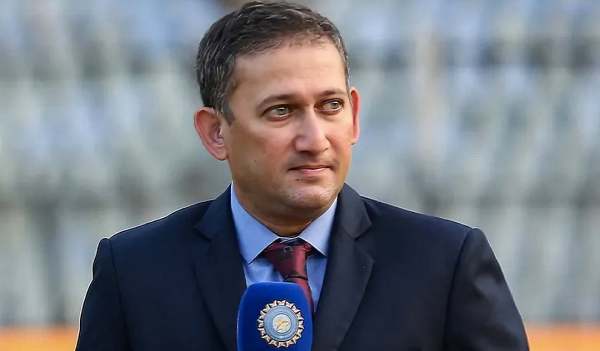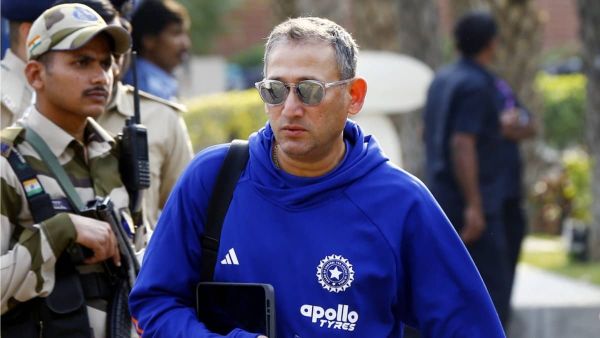
Former cricketer Ajit Agarkar is set to continue serving as the chief of the Board of Control for Cricket in India’s (BCCI) senior men’s selection committee.
Ajit Agarkar Set To Continue As BCCI Chief Selector
According to media reports, Agarkar will remain in the role until June 2027. The reports further stated that the BCCI decided to extend his contract as chief selector with the ODI World Cup 2027 in mind.
Agarkar’s current term was scheduled to end in June 2026; however, the cricket board is keen to maintain continuity ahead of the 2027 World Cup.
“Under Agarkar’s tenure, the team had a seamless transition and was fearless in taking bold decisions. The board felt he should continue. The BCCI office bearers will be speaking to him on the sidelines of IPL games to update him,” a BCCI official was quoted as saying.
Agarkar’s tenure has coincided with a delicate transition phase in Indian cricket. The team has had to adapt following the departure of senior figures such as Virat Kohli, Rohit Sharma, and Ravichandran Ashwin from the Test setup, while new leadership appointments were made across formats, including Shubman Gill in Tests and Suryakumar Yadav in T20Is.
Ajit Agarkar’s Vision Reshapes India’s T20I Fortunes
During Agarkar’s tenure, India ended their ICC trophy drought by winning the T20 World Cup in 2024. The Men in Blue followed it up with victory in the Champions Trophy in 2025. Most recently, India clinched back-to-back T20 World Cup titles after defeating New Zealand in the final. Agarkar has played a crucial role in shaping India’s T20I cricket. However, the team has also faced several setbacks in the Test format.
With the BCCI likely to extend Agarkar’s contract, the former cricketer is on the verge of becoming the joint longest-serving chief selector, alongside Kris Srikkanth, Sandeep Patil, and M. S. K. Prasad, all of whom held the position for four years each.
-
GT vs MI IPL 2026: Live Streaming, Telecast And Match Details
-
‘Who Is Trump?’ Pezeshkian Challenges US, Defends Iran’s Nuclear Rights
-
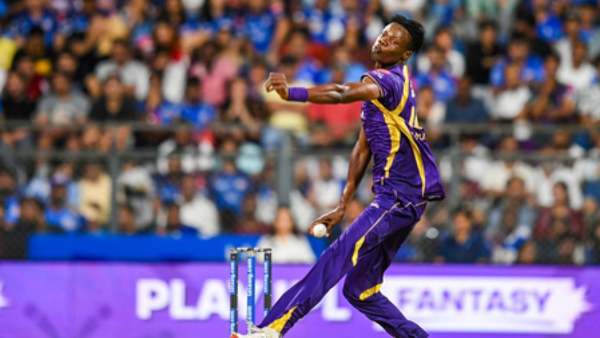
'Cannot Breach A Contract You Never Received': Blessing Muzarabani's Agency Defends Move To IPL, Challenges PSL Ban
-
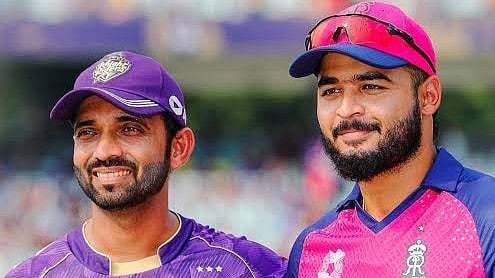
KKR VS RR: Riyan Parag Wins Toss, Rajasthan Royals Opt To Bat First At Eden Gardens
-
Chief Selector Ajit Agarkar's Contract Renewed Till Next Year After T20 WC26 Success