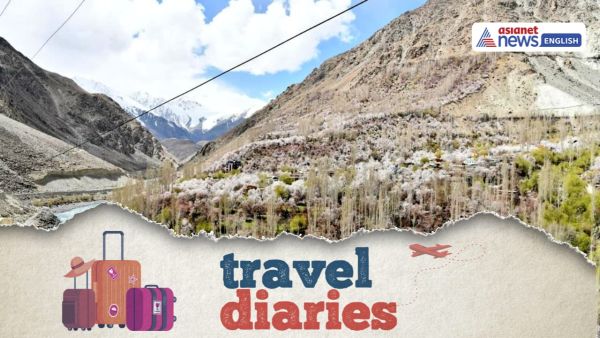
Experience the apricot blossom season in Ladakh 2026 with scenic orchards, village festivals, cultural experiences and local cuisine. Explore Leh, Kargil and surrounding valleys during this vibrant and visually stunning travel season.
In the high-altitude region of Ladakh, the arrival of summer brings a remarkable transformation as apricot trees begin to bloom across valleys and villages. Known locally as “chuli”, apricots are more than just seasonal fruit here. They are deeply connected to the culture, livelihood and hospitality of the region, shaping daily life in places such as Leh and Kargil.

In 2026, the apricot season is expected to offer a more immersive travel experience with curated village festivals, orchard walks, homestay stays and cultural programmes centred around the harvest. Visitors can witness local traditions up close while exploring scenic orchards, making it a unique opportunity to experience Ladakh’s natural beauty and cultural richness in its most vibrant form.
Brief History of Apricots in Ladakh
- Apricots in Ladakh are believed to have been introduced through the ancient Silk Route by traders and travellers.
- Over time, the fruit adapted to Ladakh’s harsh, high-altitude climate and became an important part of traditional farming in regions like Leh and Kargil.
- Apricot trees hold cultural significance and are regarded as symbols of fertility and prosperity in local traditions.
- Every part of the fruit is used, including kernels and oil, which play a role in traditional cuisine such as Tapu and in Tibetan medicine.
- Historically, locals preserved apricots by sun-drying them on rooftops to survive long winter months.
- Today, Ladakh is India’s largest apricot-producing region, with annual production exceeding 15,000 tonnes across thousands of hectares.
- Traditional varieties like Halman continue to be cultivated, while modern efforts focus on organic farming and value-added apricot products.
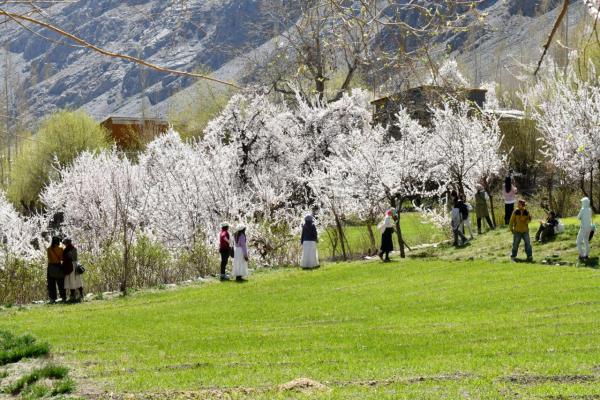
- The spring bloom known as “Chuli Mentok” has become a major tourism attraction, drawing visitors during the flowering season.
Places to Visit
Leh Region
- Alchi village: Known for its ancient monasteries and scenic apricot orchards, offering a blend of culture and natural beauty.
- Turtuk: One of India’s northernmost villages, famous for its lush apricot farms and unique Balti culture.
- Nubra Valley: A picturesque valley dotted with apricot orchards, sand dunes and dramatic landscapes.
- Basgo village: A historic settlement known for its ruins, monasteries and surrounding orchards.
Kargil Region
- Suru Valley: One of the most fertile regions in Ladakh, especially vibrant during apricot season.
- Dha-Hanu (Aryan Valley): Known for its distinct culture and flourishing apricot plantations.
- Wakha village: A peaceful destination with traditional homes and blooming orchards.
- Sankoo valley: Often called the ‘apricot bowl’ of Ladakh, famous for its dense orchards and scenic beauty.
Things to Do During Apricot Season
- Walk through blooming apricot orchards and enjoy the scenic landscapes of Ladakh
- Take part in village harvest activities and experience local farming traditions
- Try apricot picking with locals and learn about traditional cultivation methods
- Visit traditional Ladakhi homes and interact with local families
- Capture stunning photographs of golden valleys, orchards and mountain backdrops
- Taste fresh apricot juice, jams and locally produced apricot oil
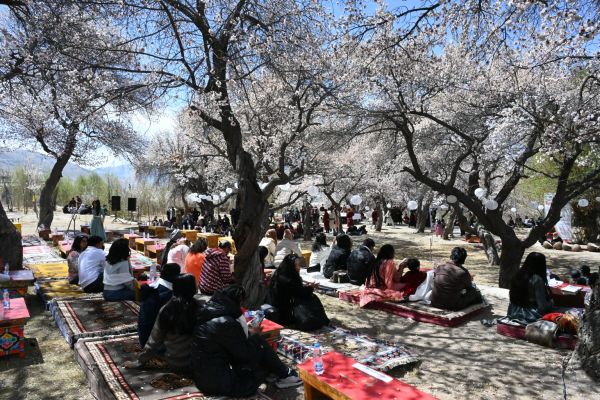
- Experience local music, folk dance and cultural performances during village festivals
Festival Highlights and Locations
Apricot festivals in Ladakh are expected to be held across several villages, celebrating both the blossom and harvest seasons.
Major Highlights
- Apricot Blossom Walks (April to May)
- Harvest Festivals (July to August)
- Traditional music and cultural dance performances
- Organic food fairs featuring local produce
- Handicraft exhibitions by local artisans
- Live cooking demonstrations of Ladakhi cuisine
Key Festival Locations
- Leh market and nearby villages
- Kargil town cultural grounds
- Turtuk village festival area
- Suru Valley community events
Best Time to Visit
The apricot season in Ladakh takes place in two phases, each offering a distinct experience:
- Blossom season: April to May, when apricot trees are in full bloom and valleys appear vibrant.
- Harvest season: July to August, when trees are laden with fruit and local festivals are held.
- Ideal travel window: May to August 2026, with pleasant weather and better accessibility.
- For photography, late May and early July offer the most visually appealing landscapes.
Getting Around
- Local taxis are the most convenient and widely used mode of transport in Ladakh.
- Shared cabs are available and connect major villages and tourist routes.
- Bike rentals can be easily arranged in Leh for those who prefer to explore independently.
- Guided tours are recommended for visiting remote valleys and less accessible regions.
Where to Stay?
- Homestays in villages offer an authentic apricot season experience and a chance to interact with local families in Ladakh.
- Boutique hotels in Leh provide comfortable stays with modern amenities.
- Eco-resorts in regions like Nubra Valley and Kargil offer scenic surroundings and sustainable travel options.
- Seasonal camps in valleys provide a more immersive and nature-focused stay experience.
Homestays are highly recommended for those looking to experience Ladakhi culture and hospitality closely.
What to Eat?
- Fresh apricots, locally known as chuli, a seasonal highlight in Ladakh.
- Apricot jam and chutney, commonly prepared in local households.
- Dishes made using apricot seed oil, a traditional ingredient in Ladakhi cooking.
- Thukpa, a warm and comforting noodle soup.
- Momos, steamed dumplings filled with vegetables or meat.
- Butter tea, also known as gur-gur chai, a staple local beverage.
- Barley-based dishes such as skyu, widely consumed in the region.
Why Visit During Apricot Season?
Visiting Ladakh during the apricot season offers a rare blend of stark desert landscapes and vibrant blooming orchards, creating a visually striking experience. This time of year also brings cultural festivals closely linked to local agriculture, allowing travellers to witness traditions rooted in everyday life. Compared to peak winter tourism, the region sees relatively fewer crowds, making it ideal for a more relaxed and immersive journey.
Travellers can enjoy authentic village-based experiences, interact directly with local communities and explore their way of life. The season also provides excellent photography opportunities, with colourful orchards set against dramatic mountain backdrops. In addition, visitors can savour fresh and organic apricot-based foods, adding a unique culinary dimension to the overall experience.
-
Bulgaria Elections 2026: Former President Radev Leads As Nation Seeks Political Stability

-
PBKS VS LSG: Rishabh Pant Wins Toss, Lucknow Choose To Field In Mullanpur

-
Nagaland State Lottery Result: April 19, 2026, 8 PM Live - Watch Streaming Of Winners List Of Dear Magic Sambad Night Sunday Weekly Draw

-
Tabu Buys ₹10 Crore Luxury Apartment In Mumbai's Versova; Details Inside

-
Govt to set up 79 new dialysis centers in Telangana: Health minister