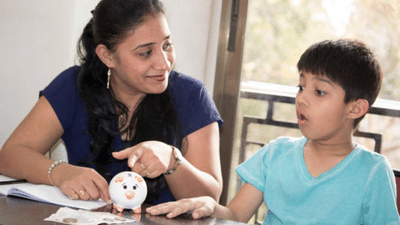
Money stuff at home can be tricky. Parents try to teach the right things, but kids pick up habits even when we’re not thinking. Most of it comes from tiny, everyday choices, things that seem small but slowly show kids how to think about money.
Buying instead of explaining
It’s easy to grab the latest gadget or treat just to make life simpler, isn’t it? “Here, have this game, it’s easier than explaining why we can’t buy everything.” Gradually, this can make them expect quick fixes rather than understanding the value of saving or waiting for something. A small pause, a short chat about why you’re choosing one thing over another, often sticks more than the item itself.
Talking about money in frustration
Ever muttered, “We can’t afford that!” in front of your child after a long day? It happens. Kids pick up on stress. If money is always framed as a problem, it can make them anxious about spending or earning later. Sometimes, just being neutral, “We’re saving for something else right now”, lets them hear about priorities without tension.
Using money as a reward—or punishment
Giving or taking away money to control behaviour is common. Finish homework, get a treat. Mess up, lose allowance. While it seems effective at the moment, it can link money too closely with behaviour, rather than understanding its practical use. Kids might start thinking of money only as a tool for reward rather than a resource to manage.
Sometimes it’s okay if they mess up
Giving a child a few coins for a snack might seem tiny, but letting them spend it however they want can teach something important. Maybe they buy too much today and regret it tomorrow. That little pinch of experience sticks longer than any lecture. If parents always step in to fix it, kids might only learn the hard lessons later, in bigger ways.
Ignoring the conversation altogether
Some families barely mention money. But when children never see how bills, savings, and budgeting happen, they pick up habits from observation, sometimes chaotic, sometimes careless. Just including them in small ways, letting them help plan grocery shopping or decide between two choices, makes the lessons gradual and natural.
-
Afghanistan Pacer Hospitalised In Delhi With Life-Threatening Illness

-
Bhopal’s Best Brews: 10 Cafés You Must Go For Coffee

-
Gurugram School Principal Arrested For Defrauding Students With Fake CBSE Accreditation, 11 To Miss Board Exam
-
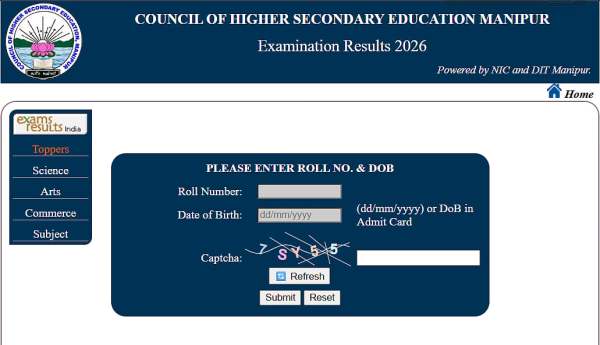
Manipur HSE Result 2026 Declared: Meet Top 3 Toppers Across Science, Commerce & Arts
-
CET 2026–27 Conducted Smoothly Across Maharashtra; Female Participation Surges