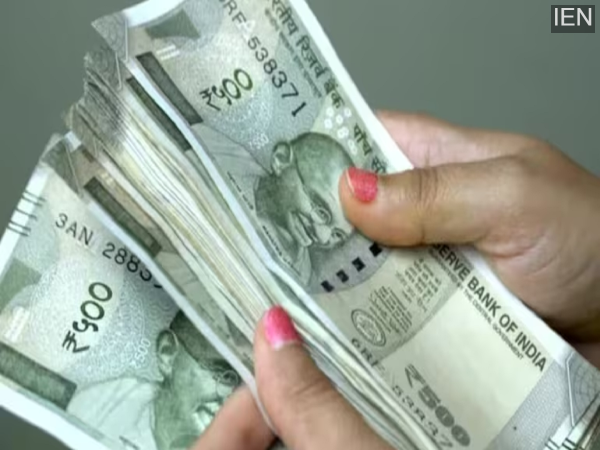
Viral Message Sparks Confusion Over Old Currency Exchange
A misleading message circulating widely on WhatsApp has triggered confusion among the public, claiming that the Reserve Bank of India has introduced new rules allowing people to exchange old ₹500 and ₹1000 notes. However, this claim is entirely false and has been officially debunked.
Authorities have urged citizens to remain alert and avoid falling prey to such misinformation. If you have received any message suggesting that demonetised currency notes can now be exchanged, it is important to verify the facts before taking any action.
Official Clarification: No New Rule Issued by RBI
The Press Information Bureau (PIB) Fact Check team has clearly stated that no such guideline has been released by the RBI. There has been no revival of the facility to deposit or exchange old ₹500 and ₹1000 notes.
These denominations were officially withdrawn from circulation during India’s demonetisation drive in 2016, and the window for exchanging them closed long ago. As of now, there is no provision under any rule or regulation to convert those old notes into valid currency.
Why These Messages Are Dangerous
Such viral messages are not just harmless rumors—they can lead to financial fraud. Scammers often use these false claims to lure people into paying “processing fees” or commissions for helping them exchange old currency.
In many reported cases, individuals have lost money after trusting unknown agents or clicking suspicious links shared through social media. These scams are designed to exploit people’s lack of awareness and urgency created by misleading information.
How to Stay Safe from Currency-Related Scams
To protect yourself and your finances, keep these precautions in mind:
- Never trust unsolicited messages about financial rules or schemes.
- Avoid clicking on unknown links or sharing personal/banking details.
- Do not pay any fees to agents claiming they can exchange demonetised notes.
- Always verify information through official sources like the RBI website or government announcements.
Being cautious can save you from unnecessary losses and fraud.
Where to File a Complaint Against Banks
If a bank refuses to accept valid currency notes or coins without proper reason, customers have the right to file a complaint. As per RBI guidelines, if your issue is not resolved within 30 days, you can approach the RBI Ombudsman under the Integrated Ombudsman Scheme, 2021.
This platform allows customers to raise grievances related to banking services and seek resolution in a structured manner.
Key Security Features of the ₹500 Note
To help people identify genuine currency, the RBI has listed several security features in the current ₹500 note:
- A latent image of “500” visible when viewed at a 45-degree angle
- A color-shifting security thread that changes from green to blue
- Micro-lettering such as “RBI,” “India,” and “₹” on various parts of the note
- A watermark of Mahatma Gandhi visible when held against light
- Raised printing for visually impaired users, including tactile marks
- The Ashoka Pillar emblem and Gandhi portrait in intaglio (raised) print
- Fluorescent elements visible under UV light, including fibers and security thread
These features are designed to prevent counterfeiting and help the public verify authenticity easily.
Bottom Line
There is no new rule from the RBI permitting the exchange of old ₹500 or ₹1000 notes. Any message claiming otherwise is fake and potentially part of a scam. Always rely on verified government sources for financial updates and stay cautious of misleading information circulating online.
-
Court denies interim protection to Nida Khan in TCS Nashik case
-
4/20 feast is here! Where to grab $4.20 deals, BOGO meals and tasty steals today

-
JEE Mains Session 2 Result 2026 OUT: Check how to download scorecard, direct link, official website, cut offs, topper names and more
-
After Hormuz, will the Strait of Denmark be blocked? Iceland Cricket's hilarious post breaks the internet

-
Karnataka liquor taxation: Distillers to meet CM, seek review of new alcobev tax structure