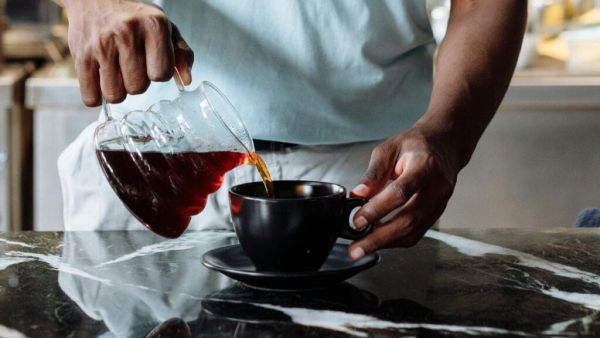
If your daily cup of coffee feels like a small ritual, new insights suggest it might also be quietly doing your liver a favour, if you’re making it the right way. A recent post by liver specialist Dr Abby Philips, aka @theliverdoc, has sparked conversation after he broke down exactly how coffee can support liver health and what most people are getting wrong.
Liver Doctor Reveals The Right Way To Consume Coffee For A Healthy Liver
In his now-viral post on And the numbers are hard to ignore. According to him, “Meta-analyses show regular drinkers have about 35% lower risk of significant liver fibrosis and nearly 50% lower risk of liver cancer compared with non-drinkers.” That’s a major protective effect. But there’s a catch. Simply drinking coffee is not the way to go. How you drink your coffee matters just as much.
The doctor also explains that there is a right way to drink coffee for it to be effective. “Aim for 2–3 cups a day, minimum,” he writes. He adds that “the effect is dose-dependent. 3 or more cups daily is reasonable for liver benefit, if you tolerate it.” When it comes to caffeine consumption, more isn’t always harmful. Sometimes, it’s strategic. He discloses that the recommended daily intake of caffeine is 300 mg, or three cups.
When it comes to what kind of coffee beans and roast should be consumed, he reveals that “Arabica beats Robusta.” Arabica contains higher levels of polyphenols and CGAs, which are antioxidants that primarily protect the liver. Because dark roasting thermally degrades CGAs, the beans should be medium roasted instead. The doctor also mentions that details like coffee-to-water ratio (1:15 to 1:17), water temperature (92–96°C), and even grind size and timing matter.
For everyday consumption, he says, “Filtered coffee is the safest daily choice.” He reveals that paper filters trap cafestol and kahweol, compounds that can raise cholesterol. Coffee lovers don’t really need another reason to enjoy another cup, but one important factor to remember is, “Drink it black. Or close to it.” So yes, that caramel frappé might taste heavenly, but it’s not doing your liver any favors.
And even if you’re someone who doesn’t have time to grind and brew your own coffee, instant coffee is better than no coffee.
This Is Why The Coffee Works
But how does coffee help with liver diseases? Well, the benefits come down to compounds doing real biological work. “Chlorogenic acid cuts oxidative stress and liver fat. Caffeine inhibits stellate cell activation (which promotes scarring or fibrosis). Melanoidins and polyphenols reduce inflammation.” But coffee isn’t a miracle fix. The doctor clearly states, “Coffee does not undo a bad diet or bad choice.”
Nutritionist Neeraja Mehta agrees, but with a reality check. She says, “Broadly, yes! The science supports the idea that coffee can be liver-supportive, but I’d frame it as one helpful piece of a much bigger picture.” She explains that while compounds like chlorogenic acids and caffeine help, liver health is never about one food or one habit alone. She reveals that factors like blood sugar, protein and fiber intake, physical activity, sleep and stress, alcohol intake, and body composition also play a role in maintaining liver health. And she puts it simply, “Coffee can support the process, but it cannot replace these deeper lifestyle factors.”
If done correctly, your daily coffee can be a small step toward better liver health.
-
SRH management and captain has backed me, given me freedom to express myself: Abhishek

-
35 Delhi govt officers awarded with Chief Minister's Awards marking Civil Services Day

-
Man cannot evade duty to maintain child citing wife's income: Uttarakhand HC

-
Businessman found dead at under-construction house in Aligarh; two held

-
Secrets to Living a Century: Insights from Spiritual Guru Pandit Pradeep Mishra