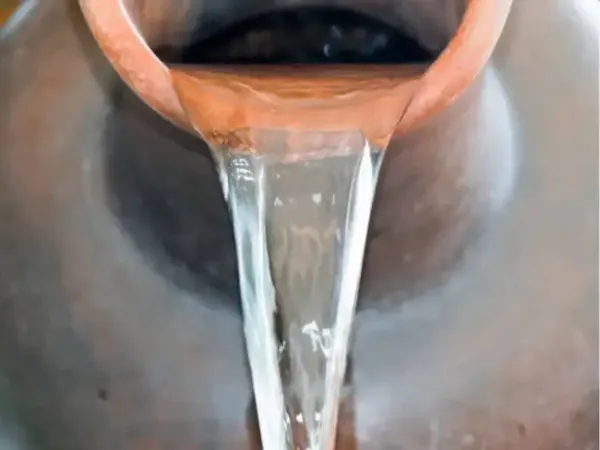
Drinking water stored in earthen pots, commonly known as matkas, has long been a familiar practice across Indian households, especially during the scorching summer months. While this age-old method is often associated with tradition and nostalgia, it also carries several scientific advantages. However, experts stress that proper storage, cleanliness, and the quality of the clay vessel play a crucial role in ensuring that the water remains safe and beneficial for consumption.
Matka water refers to drinking water kept in specially crafted terracotta containers designed to cool water naturally. During summers, it is common to see these clay pots of different sizes in homes and public spaces, quietly doing their job of keeping water refreshingly cool without any external energy source. Beyond cultural relevance, studies suggest that this method of storing water may offer notable health benefits compared to water chilled in refrigerators.
A report by BBC explains that this evaporative process has been used for thousands of years. Historical records suggest that even the Harappan civilisation relied on similar techniques to keep water cool in hot climates. This slow and steady cooling not only maintains a pleasant temperature but also prevents the shock that extremely cold water can cause to the body.
Additionally, this moderate temperature can help maintain respiratory comfort. During summers, when air quality may already be compromised, avoiding extremely chilled beverages can reduce the chances of throat irritation, cough, or seasonal discomfort.
By supporting a balanced internal environment, matka water may also assist in reducing issues like acid reflux and heartburn, which are common complaints during the summer season.
Furthermore, the slightly alkaline nature of matka water may support gut health and improve nutrient absorption. However, experts emphasize that this benefit depends heavily on maintaining proper hygiene. Clay pots must be cleaned thoroughly and dried in sunlight to eliminate harmful bacteria and prevent contamination.
This unique taste, combined with natural cooling, often makes matka water more satisfying and thirst-quenching than refrigerated water. Over time, many individuals develop a preference for its naturally fresh and slightly mineral-rich flavor.
If there is any suspicion of contamination, the water should be discarded immediately to avoid health risks. Using high-quality clay pots free from harmful chemicals is equally important to ensure that the water remains safe for consumption.
In essence, this simple, eco-friendly method of storing water continues to prove its relevance even in modern times. By combining traditional wisdom with mindful usage, matka water can serve as a healthy and sustainable alternative to artificially cooled drinking water.
Matka water refers to drinking water kept in specially crafted terracotta containers designed to cool water naturally. During summers, it is common to see these clay pots of different sizes in homes and public spaces, quietly doing their job of keeping water refreshingly cool without any external energy source. Beyond cultural relevance, studies suggest that this method of storing water may offer notable health benefits compared to water chilled in refrigerators.
The Science Behind Natural Cooling
One of the most significant advantages of matka water lies in its natural cooling mechanism. Unlike refrigeration, which rapidly lowers water temperature, earthen pots cool water gradually. This happens because clay is porous, allowing a small amount of water to seep through tiny holes. As this moisture evaporates from the surface, it removes heat from the water inside, resulting in a gentle cooling effect.A report by BBC explains that this evaporative process has been used for thousands of years. Historical records suggest that even the Harappan civilisation relied on similar techniques to keep water cool in hot climates. This slow and steady cooling not only maintains a pleasant temperature but also prevents the shock that extremely cold water can cause to the body.
Gentler on the Body
Water stored in a matka is mildly cool rather than icy, making it easier on the throat and digestive system. Consuming very cold water from refrigerators can sometimes irritate the throat and lead to discomfort due to sudden temperature changes. In contrast, matka water offers a soothing effect, helping the body stay hydrated without causing stress to internal systems.Additionally, this moderate temperature can help maintain respiratory comfort. During summers, when air quality may already be compromised, avoiding extremely chilled beverages can reduce the chances of throat irritation, cough, or seasonal discomfort.
Helps Maintain pH Balance
Another benefit often linked to matka water is its potential to support the body’s pH balance. Clay is naturally alkaline, and when water is stored in such containers, it may interact with the minerals present in the pot. This interaction can help neutralize excess acidity in the body, which tends to increase during hot weather due to dehydration and heat exposure.By supporting a balanced internal environment, matka water may also assist in reducing issues like acid reflux and heartburn, which are common complaints during the summer season.
Supports Better Digestion
Health professionals also highlight the role of matka water in aiding digestion. According to dietician Reenu Dubey, speaking to The Indian Express, water that is neither too cold nor too warm is ideal for digestive health. Extremely cold water can constrict blood vessels and slow down the digestive process, whereas moderately cool water, such as that from a clay pot, helps the system function smoothly.Furthermore, the slightly alkaline nature of matka water may support gut health and improve nutrient absorption. However, experts emphasize that this benefit depends heavily on maintaining proper hygiene. Clay pots must be cleaned thoroughly and dried in sunlight to eliminate harmful bacteria and prevent contamination.
Refreshing Taste and Natural Appeal
Another often-overlooked advantage of matka water is its distinct taste. Research published in the International Journal of Global Science Research suggests that water stored in clay pots develops a subtle earthy flavor, which many people find refreshing. The cooling range of such water typically falls between 10 to 14 degrees Celsius, depending on environmental conditions and storage duration.This unique taste, combined with natural cooling, often makes matka water more satisfying and thirst-quenching than refrigerated water. Over time, many individuals develop a preference for its naturally fresh and slightly mineral-rich flavor.
Hygiene and Safety Considerations
While matka water offers multiple benefits, it is essential to handle it with care. Since clay pots are porous, they can also become breeding grounds for microbes if not maintained properly. Regular cleaning, proper drying, and covering the pot with a lid are necessary steps to ensure safety.If there is any suspicion of contamination, the water should be discarded immediately to avoid health risks. Using high-quality clay pots free from harmful chemicals is equally important to ensure that the water remains safe for consumption.
A Balanced Perspective
Although matka water is rooted in tradition, its advantages are supported by both science and practical experience. From natural cooling and improved digestion to better taste and throat comfort, it offers a holistic approach to hydration during hot weather. However, these benefits can only be fully realized when proper hygiene practices are followed.In essence, this simple, eco-friendly method of storing water continues to prove its relevance even in modern times. By combining traditional wisdom with mindful usage, matka water can serve as a healthy and sustainable alternative to artificially cooled drinking water.