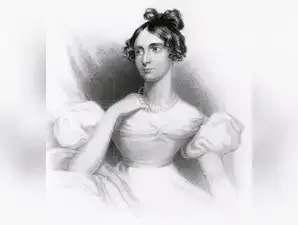
In a world often overwhelmed by uncertainty, complexity, and emotional upheaval, the search for stability becomes a defining human pursuit. Across centuries, thinkers and innovators have turned to structured knowledge systems to make sense of chaos, finding in them not only answers but also reassurance. Among the earliest pioneers of such intellectual refuge was Ada Lovelace, whose groundbreaking work in mathematics and computing continues to shape the modern world. Her life and ideas reflect a belief that clarity can emerge from logic, and that disciplined thinking can offer solace even in turbulent times.
Born into a unique intersection of art and science, Lovelace’s life was marked by contrasts that shaped her worldview. The daughter of the famed poet Lord Byron and Annabella Milbanke, she was raised away from her father’s literary influence and instead immersed in rigorous academic training. Her mother, determined to steer her away from what she considered the unpredictability of poetic temperament, encouraged a strong foundation in mathematics and logic. This early emphasis on analytical thinking would later define Lovelace’s intellectual legacy and her approach to life’s challenges.
“Your best and wisest refuge from all troubles is in your science.”
The thought, though concise, carries a profound message about the role of knowledge and structured inquiry in navigating personal and collective difficulties.
The term “refuge” is particularly significant. It implies a place of safety, clarity, and restoration. Lovelace is not merely advocating for academic pursuit; she is emphasizing science as a mental and emotional sanctuary. Engaging with structured knowledge allows individuals to step away from confusion and reorient themselves through reason.
Importantly, “science” in this context extends beyond laboratories and equations. It encompasses problem-solving, critical thinking, and the pursuit of understanding. Whether applied to personal dilemmas or global challenges, this mindset fosters resilience by encouraging individuals to approach problems methodically rather than reactively.
What set Lovelace apart was not only her mathematical ability but also her visionary thinking. She recognized that machines could go beyond simple calculation to process symbols and patterns, an idea that laid the conceptual groundwork for modern computing. In describing the Analytical Engine, she famously compared it to a loom weaving algebraic patterns, blending imagination with logic in a way that was far ahead of her time.
Her intellectual journey was also shaped by mentorship and collaboration. Guided by mathematician Augustus De Morgan and influenced by scientific circles of her era, Lovelace developed a disciplined approach to inquiry. At the same time, her exposure to artistic thought allowed her to see connections others might have missed, reinforcing her belief in structured knowledge as both practical and transformative.
Her emphasis on science as a refuge can also be interpreted as a response to personal and societal instability. By turning to logic and structured thinking, she found a way to assert control and clarity in an otherwise uncertain environment. This approach remains relevant today, particularly in times marked by rapid technological change and global challenges.
For individuals, adopting this mindset can lead to better decision-making and reduced anxiety. By focusing on what can be understood and addressed logically, people can avoid being overwhelmed by uncertainty. In education and professional settings alike, critical thinking skills are increasingly recognized as key to success.
Moreover, Lovelace’s legacy continues to inspire efforts to promote diversity in science, technology, engineering, and mathematics (STEM). Celebrations such as Ada Lovelace Day highlight the contributions of women in these fields, reinforcing the idea that intellectual refuge and innovation are accessible to all.
Her words remind us that science is not merely a collection of facts but a way of thinking, a disciplined approach that brings clarity to complexity. In choosing logic over chaos, individuals can navigate challenges with greater confidence and purpose.
By viewing science as a refuge, not just a discipline, Lovelace provides a timeless framework for resilience, one that continues to inspire generations in an ever-evolving world.
Born into a unique intersection of art and science, Lovelace’s life was marked by contrasts that shaped her worldview. The daughter of the famed poet Lord Byron and Annabella Milbanke, she was raised away from her father’s literary influence and instead immersed in rigorous academic training. Her mother, determined to steer her away from what she considered the unpredictability of poetic temperament, encouraged a strong foundation in mathematics and logic. This early emphasis on analytical thinking would later define Lovelace’s intellectual legacy and her approach to life’s challenges.
Thought of the day today
It is within this framework of disciplined reasoning and intellectual curiosity that one of Lovelace’s most enduring reflections emerges:“Your best and wisest refuge from all troubles is in your science.”
The thought, though concise, carries a profound message about the role of knowledge and structured inquiry in navigating personal and collective difficulties.
Thought of the day meaning
At its core, Lovelace’s statement suggests that science, understood broadly as systematic knowledge and rational inquiry, provides a reliable anchor in times of uncertainty. Unlike emotions, which can fluctuate, or external circumstances, which are often unpredictable, scientific thinking is grounded in logic, evidence, and consistency.The term “refuge” is particularly significant. It implies a place of safety, clarity, and restoration. Lovelace is not merely advocating for academic pursuit; she is emphasizing science as a mental and emotional sanctuary. Engaging with structured knowledge allows individuals to step away from confusion and reorient themselves through reason.
Importantly, “science” in this context extends beyond laboratories and equations. It encompasses problem-solving, critical thinking, and the pursuit of understanding. Whether applied to personal dilemmas or global challenges, this mindset fosters resilience by encouraging individuals to approach problems methodically rather than reactively.
The personality behind the perspective
Lovelace’s life offers insight into the origins of this philosophy. Widely regarded as the world’s first computer programmer, she worked closely with Charles Babbage, a pioneer of early computing machinery. Her most notable contribution came through her detailed notes on Babbage’s proposed Analytical Engine, where she outlined how the machine could be programmed to perform complex calculations, including the computation of Bernoulli numbers.What set Lovelace apart was not only her mathematical ability but also her visionary thinking. She recognized that machines could go beyond simple calculation to process symbols and patterns, an idea that laid the conceptual groundwork for modern computing. In describing the Analytical Engine, she famously compared it to a loom weaving algebraic patterns, blending imagination with logic in a way that was far ahead of her time.
Her intellectual journey was also shaped by mentorship and collaboration. Guided by mathematician Augustus De Morgan and influenced by scientific circles of her era, Lovelace developed a disciplined approach to inquiry. At the same time, her exposure to artistic thought allowed her to see connections others might have missed, reinforcing her belief in structured knowledge as both practical and transformative.
Science as a stabilising force
Lovelace’s thought gains added significance when viewed in the context of her personal life. Living in the 19th century, she navigated societal expectations that often limited women’s participation in scientific fields. Despite these barriers, she pursued her interests with determination, carving out a space for herself in a male-dominated domain.Her emphasis on science as a refuge can also be interpreted as a response to personal and societal instability. By turning to logic and structured thinking, she found a way to assert control and clarity in an otherwise uncertain environment. This approach remains relevant today, particularly in times marked by rapid technological change and global challenges.
Relevance in the modern world
In the 21st century, Lovelace’s message resonates strongly. From navigating information overload to addressing complex global issues such as climate change and public health, scientific thinking remains essential. The ability to analyze data, question assumptions, and seek evidence-based solutions is more valuable than ever.For individuals, adopting this mindset can lead to better decision-making and reduced anxiety. By focusing on what can be understood and addressed logically, people can avoid being overwhelmed by uncertainty. In education and professional settings alike, critical thinking skills are increasingly recognized as key to success.
Moreover, Lovelace’s legacy continues to inspire efforts to promote diversity in science, technology, engineering, and mathematics (STEM). Celebrations such as Ada Lovelace Day highlight the contributions of women in these fields, reinforcing the idea that intellectual refuge and innovation are accessible to all.
A timeless lesson in rational resilience
Ultimately, Lovelace’s thought is a call to embrace rational resilience. It encourages individuals to turn toward knowledge, not away from it, when faced with difficulty. Rather than being consumed by problems, one can engage with them through structured inquiry, finding both solutions and a sense of stability.Her words remind us that science is not merely a collection of facts but a way of thinking, a disciplined approach that brings clarity to complexity. In choosing logic over chaos, individuals can navigate challenges with greater confidence and purpose.
By viewing science as a refuge, not just a discipline, Lovelace provides a timeless framework for resilience, one that continues to inspire generations in an ever-evolving world.