
Listen to this article in summarized format
Loading...
××
Subscribe to

Unlock AI Briefing and Premium Content
New Year Offer 24 Hours Left
Subscribe NowAlready a member? Sign In
What's Included
- Exclusive Stories
- Daily ePaper Access
- Smart Market Tools
- Curated Investment Ideas
- Ad-lite Experience
Subscription

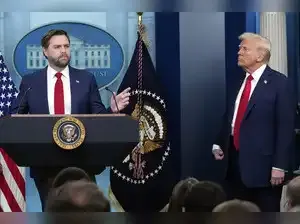
US Vice President JD Vance's trip to Pakistan for a second round of negotiations with Iran has been put on hold after Tehran failed to respond to America's positions, a US official with direct knowledge of the situation told New York Times.
A White House official has indicated that Vance would be participating in additional policy meetings at the White House.
Check live updates of the US-Israel war with Iran
With the US-Iran ceasefire set to expire within a few hours, Iran has also yet to decide whether its officials will join the negotiating table, Reuters reported, citing state TV.
Pakistan's Information Minister Attaullah Tarar said in a post on X that Islamabad was still waiting for Iran's reply to its invitation. "Pakistan as the mediator is in constant touch with Iranians and pursuing the path of diplomacy and dialogue."
Meanwhile, Pakistan has urged both countries to extend their two-week ceasefire, Pakistan's foreign ministry said in a statement on Tuesday.
In a meeting with the US Chargé d’Affaires in Pakistan, Natalie A. Baker, Foreign Minister Ishaq Dar stressed the need for engagement between Washington and Tehran, and said Pakistan urged both sides to consider extending the ceasefire, a statement from the foreign ministry said.
Also read: Pakistan says still no answer from Iran whether it will attend last-ditch peace talks
US President Donald Trump has indicated that he does not want an extension to the ceasefire. "We don't have that much time ... Iran can make themselves into a strong nation again if they make a deal," Trump told CNBC earlier.
When asked what happens if there is no deal by Tuesday night, Trump said, "I expect to be bombing because I think that's a better attitude to go in with...But we're ready to go. I mean, the military is raring to go."
The US and Iran are yet to settle several key issues, including the reopening of the Strait of Hormuz, Iran's nuclear program, sanctions, and other talking points.
A first session of talks held 10 days ago produced no agreement and Tehran had been ruling out a second round after Washington refused to end its blockade and seized an Iranian cargo ship. Iran also targeted vessels in the Gulf waters, indicating an unwillingness to negotiate.
A White House official has indicated that Vance would be participating in additional policy meetings at the White House.
Check live updates of the US-Israel war with Iran
With the US-Iran ceasefire set to expire within a few hours, Iran has also yet to decide whether its officials will join the negotiating table, Reuters reported, citing state TV.
Pakistan's Information Minister Attaullah Tarar said in a post on X that Islamabad was still waiting for Iran's reply to its invitation. "Pakistan as the mediator is in constant touch with Iranians and pursuing the path of diplomacy and dialogue."
Meanwhile, Pakistan has urged both countries to extend their two-week ceasefire, Pakistan's foreign ministry said in a statement on Tuesday.
In a meeting with the US Chargé d’Affaires in Pakistan, Natalie A. Baker, Foreign Minister Ishaq Dar stressed the need for engagement between Washington and Tehran, and said Pakistan urged both sides to consider extending the ceasefire, a statement from the foreign ministry said.
Also read: Pakistan says still no answer from Iran whether it will attend last-ditch peace talks
US President Donald Trump has indicated that he does not want an extension to the ceasefire. "We don't have that much time ... Iran can make themselves into a strong nation again if they make a deal," Trump told CNBC earlier.
When asked what happens if there is no deal by Tuesday night, Trump said, "I expect to be bombing because I think that's a better attitude to go in with...But we're ready to go. I mean, the military is raring to go."
The US and Iran are yet to settle several key issues, including the reopening of the Strait of Hormuz, Iran's nuclear program, sanctions, and other talking points.
A first session of talks held 10 days ago produced no agreement and Tehran had been ruling out a second round after Washington refused to end its blockade and seized an Iranian cargo ship. Iran also targeted vessels in the Gulf waters, indicating an unwillingness to negotiate.