
Observed every year on April 22, World Earth Day serves as a powerful reminder of our shared responsibility toward the planet. With the 2026 theme, 'Our Power, Our Planet,' the focus shifts to individual and collective actions that can create meaningful environmental change. As climate challenges intensify, from rising temperatures to increasing waste; small, conscious choices in daily life can make a lasting difference.
Here are seven practical and impactful ways to live more sustainably and protect nature.
Say Goodbye To Disposable Living

Single-use items may seem convenient, but they come at a high environmental cost. From plastic bottles to takeaway cutlery, these products generate massive waste and consume valuable resources. Replacing them with reusable alternatives like cloth napkins, stainless steel straws, and refillable coffee mugs can significantly cut down waste. Even small changes, such as switching to reusable cotton rounds or silicone covers, add up over time.
Cut Down Food Waste Before It Starts

Food waste is a silent contributor to environmental damage, especially when it ends up in landfills and releases methane. Planning meals, checking pantry supplies before shopping, and sticking to a grocery list can help avoid overbuying. Choosing seasonal produce ensures better freshness and reduces spoilage. Leftovers can be stored in reusable containers or frozen for later use.
Choose Products With Minimal Packaging

Packaging, particularly plastic, makes up a significant portion of global waste. Opting for products with little or no packaging can drastically reduce this burden. Alternatives like shampoo bars replace multiple plastic bottles while offering the same benefits. Shopping at bulk stores, bringing your own containers, and choosing compostable or reusable packaging are simple yet effective steps.
Recycle Right, Not Just More
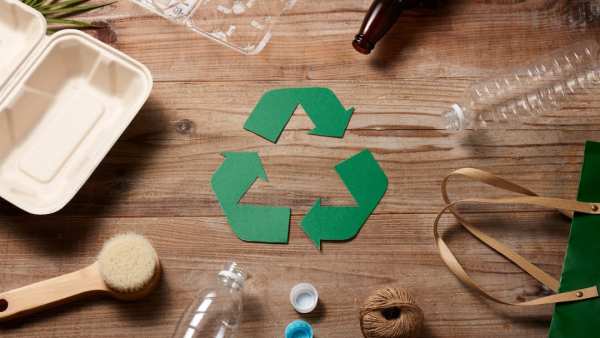
Recycling plays a key role in conserving resources, but doing it incorrectly can backfire. Items that are not recyclable, like grease-stained boxes or certain coated cups, can contaminate entire batches of recyclables. Understanding local recycling guidelines and sorting waste properly ensures that efforts are effective.
Use Water Wisely Every Day

Water may seem abundant, but access to clean water is not guaranteed everywhere. Simple habits like fixing leaks, taking shorter showers, and installing water-saving fixtures can conserve significant amounts of water. Avoiding bottled water reduces both plastic use and resource consumption. Reusing grey water for plants is another practical step that supports sustainability.
Bring Nature Back Into Urban Spaces

Green spaces are vital for healthier cities. They improve air quality, support biodiversity, and provide much-needed relaxation areas. Community gardens encourage people to grow their own food while building stronger local connections. Rooftop gardens make use of unused spaces, reduce urban heat, and can even supply fresh produce.
Adopt An Eco-Friendly Diet

What we eat has a direct impact on the environment. Plant-based diets require fewer resources and produce lower greenhouse gas emissions compared to meat-heavy diets. Choosing local and organic foods reduces transportation impact and limits exposure to harmful chemicals. Thoughtful eating habits can play a major role in protecting the planet.
-
Make Natural Keratin Hair Mask at Home: Easy Remedy for Soft and Shiny Hair

-
World Earth Day: A day of resolution to save our earth amidst environmental crisis, CM Dr. Mohan Yadav called for nature conservation.

-
‘I will not speak in Marathi’, why did Sahar Shaikh say this in the press conference?

-
Extreme heat and dehydration are increasing the risk of heart attack, cardiologist warned, do not ignore these 5 symptoms.

-
Thai family leaves 6-year-old behind at petrol station, notices after 130 km drive