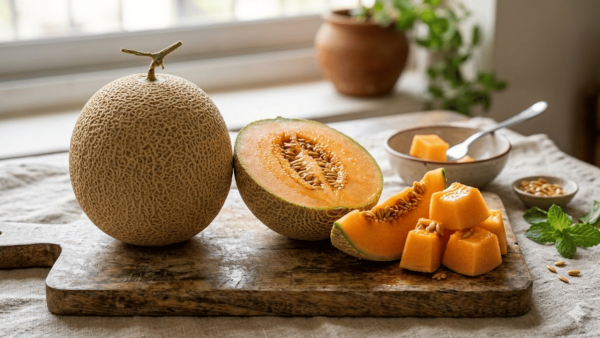
New Delhi: With the arrival of summer in India, our fruit baskets are incomplete without a good, juicy kharbooja on the table. The warm weather brings out the best of muskmelons, and their cool, sweet pulp offers instant relief from the heat. Whether you are adding it to a chaat, a fruit salad, or simply eating it plain with a pinch of salt and chaat‑masala, a perfectly ripe kharbooja can make or break your dessert. That is why learning how to choose one correctly is more important than ever at this time of year, especially when vendors are stacking melons of all sizes and shades.
As temperatures rise, the demand for kharbooja shoots up in markets across the country, from roadside carts to supermarkets. But not every melon sitting on the counter is as sweet and juicy as it looks from the outside. Many end up buying a kharbooja that is either too raw, too mushy, or simply bland in taste. This blog will guide you through simple, easy‑to‑follow tips that will help you pick a sweet kharbooja every single time, so you can enjoy refreshing, flavour‑rich slices without wasting money on under‑ripe or over‑ripe fruit.
How to pick a sweet kharbooja (muskmelon)
1. Check the colour of the skin
Look for a kharbooja that has turned from bright green to a creamy beige or yellowish tone. A fully ripe muskmelon usually has a warm, slightly golden base with faint green patches or netting on the surface. If the whole melon looks very green and hard, it is likely under‑ripe and will not be nearly as sweet. On the other hand, spots of deep brown or dull patches may mean it is over‑ripe or starting to spoil, so avoid that one.
2. Feel the weight of the melon
Hold the kharbooja in your palm and feel how heavy it is for its size; a ripe muskmelon should feel pleasantly heavy, not light or hollow‑sounding. This heaviness means it is packed with juicy, sweet flesh and enough moisture to keep you cool in the heat. If the melon feels too light, it may be dry inside or not fully ripened.
3. Smell the stem end for sweetness
Bring the stem‑end side of the kharbooja close to your nose and take a gentle sniff; a ripe melon will give off a soft, sweet, musky fragrance. The more you can smell this pleasant aroma, the better the chances of finding a sweet kharbooja. If there is almost no smell or it smells slightly sour or fermented, the melon is either too raw or past its best, so it is better to leave it on the stall.
4. Look at the bottom
Turn the kharbooja gently to see the bottom side, which usually has a flat, round surface from touching the soil or tray. A ripe muskmelon will have a slightly yellowish or creamy‑brown bottom, which shows that it has had time to ripen fully in the sun. If this area is still very pale or green, the melon has probably been plucked too early and may not taste as sweet or juicy as you hope.
5. Check for a smooth, slightly soft blossom end
Very lightly press the opposite end of the melon (the blossom end, farther from the stem) with your thumb. A ripe, sweet kharbooja will feel slightly soft but springy, not hard or rock‑solid. If it feels too firm all over, it is likely under‑ripe; if it feels mushy or gives in too easily, it may be over‑ripe and starting to turn.
6. Observe the skin texture and netting
Run your fingers lightly over the surface of the kharbooja and notice the texture; a good muskmelon often has fine, raised netting and a slightly rough feel. This netting is a sign of a healthy, well‑developed melon and usually goes with a sweeter taste. Avoid melons that have very smooth, shiny skin all over or visible cracks, bruises, or soft patches, as these can indicate poor ripeness or damage.
7. Avoid too many blemishes or cuts
Carefully inspect the melon for cuts, dents, or deep bruises, especially near the stem or along the sides. A small, natural scar may be fine, but deep cuts and large soft spots can mean the flesh inside is already decaying or will not stay fresh for long.
By following these simple selection tips, you can make the most of the summer season and enjoy melon that truly feels cool and satisfying with every bite.
-
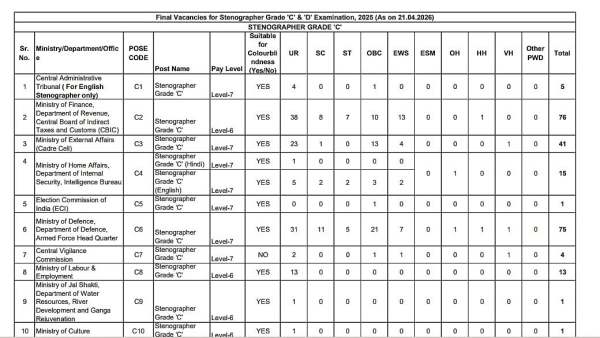
SSC Releases Steno Grade C, D Exam 2026 Final Vacancies List: Direct Link To Check Here
-
JEE Advanced 2026: Application Window Opens Tomorrow At 10 AM On jeeadv.ac.in; IIT Roorkee To Conduct Exam On May 17

-
Perfect Scorecard: NDMC Schools Deliver 100% Results, Set New Education Benchmark

-
Campus Unrest At JNU Over 'Removal' Of B.R. Ambedkar Portrait Sparks Protests

-
Who Is Aaliyah Qureishi, The Mystery Girl Spotted With Matka King Actor Vijay Varma In Mumbai?