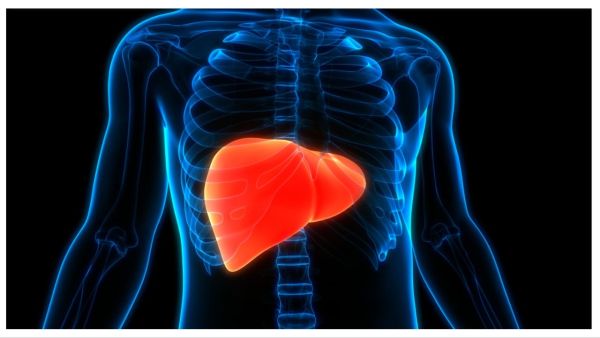
Discover a promising new treatment for MASLD. A recent study shows how a combination of two existing drugs, pemafibrate and telmisartan, can reverse fatty liver disease.
A common liver problem called metabolic dysfunction-associated steatotic liver disease (MASLD) is now a serious global health concern, affecting about one in three adults. This condition happens when too much fat builds up in the liver, which can harm the organ over time and increase the chances of heart and blood vessel issues, making it potentially life-threatening.
New Findings
A recent study from the University of Barcelona has suggested a new approach to treating this condition using medicines that are already available. The research, published in Pharmacological Research, found that two drugs, pemafibrate and telmisartan, could greatly reduce fat in the liver. When used together, their effects were even more powerful, improving liver health and factors that affect heart disease.
Drug Strategy
The researchers focused on using medicines that are already approved for other conditions. This method is becoming more popular because many new treatments for MASLD have not worked in trials, often due to safety issues.
In contrast, established drugs have a known safety record, making them better options for the early stages of the disease, which typically have no obvious symptoms.
Pemafibrate is a drug used to manage lipid levels and is currently available in Japan, while telmisartan is a commonly prescribed medicine for blood pressure.
Both are chosen because they target heart-related risks, which is important since people with MASLD often experience heart complications as well.
Animal Evidence
To test their idea, the team conducted experiments on rats and zebrafish larvae, which are increasingly used in medical research because they have liver functions similar to humans. The results showed that the combination of these two drugs could reverse fat buildup caused by unhealthy diets high in fat and sugar.
In rats, even lower doses of both drugs together worked just as well as a full dose of either drug alone, suggesting a safer and possibly more effective treatment option.
How It Works
The study also uncovered more about how the drugs work. Telmisartan was found to influence a protein called PCK1, which is involved in how the liver processes nutrients. In diseased animals, levels of this protein were low, but treatment brought them back to normal.
This change helped the liver shift from storing fat to producing glucose, without causing unhealthy increases in blood sugar.
Next Steps
Although the findings are encouraging, the research is still in its early stages and based on animal models. Scientists emphasize that human clinical trials will be necessary to confirm whether these benefits can be safely achieved.
The research team is now looking into whether this drug combination could also help in more advanced stages of the disease and reduce related heart complications.
-
Love Horoscope for Thursday, April 23, 2026: Aries to Feel Stronger Emotional Connection, Check What’s in Store for Other Signs

-
Financial Horoscope Today, April 23, 2026: Gemini Will Experience a Rise in Wealth, Check the Financial Outlook for All Zodiac Signs

-
Career Horoscope Today, April 23, 2026: Rise in Reputation and Progress for Pisces; Check What Awaits Other Signs

-
Tamil Nadu–West Bengal Elections 2026: Here is How to Check Your Polling Station from Home..

-
Bhooth Bangla vs Dhurandhar 2: Which Film Led Wednesday Box Office Collection?