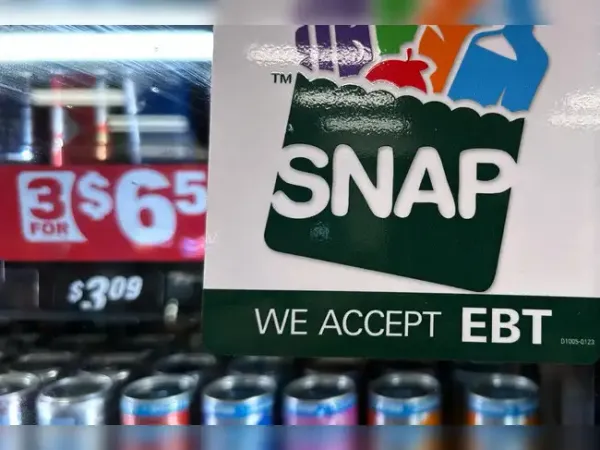
April SNAP Benefits 2026 are still being distributed across 10 states, with payments scheduled through April 28. The staggered rollout depends on state-specific systems, often based on case numbers, Social Security digits, or last names. Eligible households can expect benefit amounts similar to previous months, adjusted for income and family size. Meanwhile, new rule changes under the One Big Beautiful Bill Act (OBBBA) may impact future eligibility, work requirements, and funding. Recipients are advised to check their state’s official SNAP portal for exact payment dates and updates to ensure timely access to benefits and any policy changes.
According to Futbolete, Florida and Texas lead the list of states with the longest SNAP payment windows in April. Both states distribute benefits from April 1 through April 28, reflecting the sheer size of their recipient populations. To manage such a large volume efficiently and avoid system overload, payments are staggered over several weeks instead of being issued all at once.
This isn’t random at all. Each state independently designs its own SNAP payment schedule, and the exact deposit date is usually determined by factors such as case numbers, Social Security digits, or the first letter of a recipient’s last name. As a result, as reported by Futbolete, even two households in the same state with similar financial situations may receive their benefits on completely different days, depending on how the state’s distribution system is structured.
APRIL SNAP BENEFITS SCHEDULE
Based on the current issuance schedule, 10 jurisdictions, including Puerto Rico, have SNAP payment dates extending beyond April 21. This staggered timeline reflects how states and territories manage benefit distribution in phases, often to handle large caseloads efficiently and avoid system bottlenecks during peak payout periods.
SNAP AMOUNTS AS PER HOUSEHOLD SIZE
Maximum SNAP allotments for fiscal year 2026 (Oct 1, 2025-Sep 30, 2026) increase with household size. A single-person household can receive up to $298 per month, while two people are eligible for up to $546. For three members, the cap is $785, and for four it rises to $994. Larger households receive higher limits, with $1,183 for five, $1,421 for six, $1,571 for seven, and $1,789 for eight. Each additional member beyond eight adds $218.
These benefit levels are federally set through annual cost-of-living adjustments, not by individual states. The basic calculation remains unchanged: a household’s SNAP benefit equals the maximum allotment for its size minus 30% of its net income, meaning higher reported income results in lower monthly assistance.
CHANGE IN ELIGIBILITY RULES AFTER OBBBA
A major shift in 2026 comes from the One Big Beautiful Bill Act (OBBBA), which overhauls SNAP rules more than any change in decades. The Congressional Budget Office estimates the law will reduce federal SNAP spending by $186 billion between 2024 and 2034.
A key update is expanded work requirements: the age limit rises from 54 to 64, and now includes parents, grandparents, and caregivers with children aged 14 and above. To continue receiving benefits beyond three months, individuals must complete at least 80 hours of work or training monthly.
The law also removes several exemptions, including protections for veterans, homeless individuals, and youth transitioning out of foster care.
According to Futbolete, Florida and Texas lead the list of states with the longest SNAP payment windows in April. Both states distribute benefits from April 1 through April 28, reflecting the sheer size of their recipient populations. To manage such a large volume efficiently and avoid system overload, payments are staggered over several weeks instead of being issued all at once.
This isn’t random at all. Each state independently designs its own SNAP payment schedule, and the exact deposit date is usually determined by factors such as case numbers, Social Security digits, or the first letter of a recipient’s last name. As a result, as reported by Futbolete, even two households in the same state with similar financial situations may receive their benefits on completely different days, depending on how the state’s distribution system is structured.
APRIL SNAP BENEFITS SCHEDULE
Based on the current issuance schedule, 10 jurisdictions, including Puerto Rico, have SNAP payment dates extending beyond April 21. This staggered timeline reflects how states and territories manage benefit distribution in phases, often to handle large caseloads efficiently and avoid system bottlenecks during peak payout periods.
- Alabama: April 4 - 23
- Delaware: April 2 - 23
- Florida: April 1 - 28
- Georgia: April 5 - 23
- Indiana: April 5 - 23
- Louisiana: April 1 - 23
- Maryland: April 4 - 23
- Missouri: April 1 - 22
- Puerto Rico: April 4 - 22
- Texas: April 1 - 28
SNAP AMOUNTS AS PER HOUSEHOLD SIZE
Maximum SNAP allotments for fiscal year 2026 (Oct 1, 2025-Sep 30, 2026) increase with household size. A single-person household can receive up to $298 per month, while two people are eligible for up to $546. For three members, the cap is $785, and for four it rises to $994. Larger households receive higher limits, with $1,183 for five, $1,421 for six, $1,571 for seven, and $1,789 for eight. Each additional member beyond eight adds $218.
These benefit levels are federally set through annual cost-of-living adjustments, not by individual states. The basic calculation remains unchanged: a household’s SNAP benefit equals the maximum allotment for its size minus 30% of its net income, meaning higher reported income results in lower monthly assistance.
CHANGE IN ELIGIBILITY RULES AFTER OBBBA
A major shift in 2026 comes from the One Big Beautiful Bill Act (OBBBA), which overhauls SNAP rules more than any change in decades. The Congressional Budget Office estimates the law will reduce federal SNAP spending by $186 billion between 2024 and 2034.
A key update is expanded work requirements: the age limit rises from 54 to 64, and now includes parents, grandparents, and caregivers with children aged 14 and above. To continue receiving benefits beyond three months, individuals must complete at least 80 hours of work or training monthly.
The law also removes several exemptions, including protections for veterans, homeless individuals, and youth transitioning out of foster care.