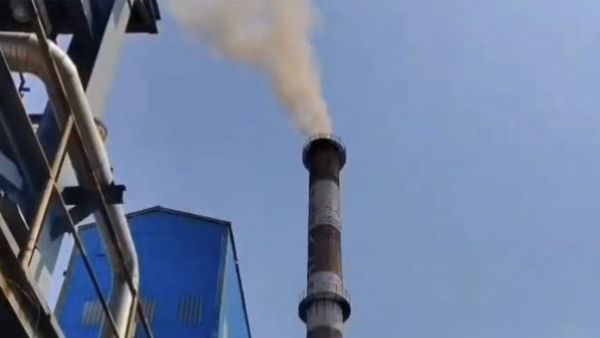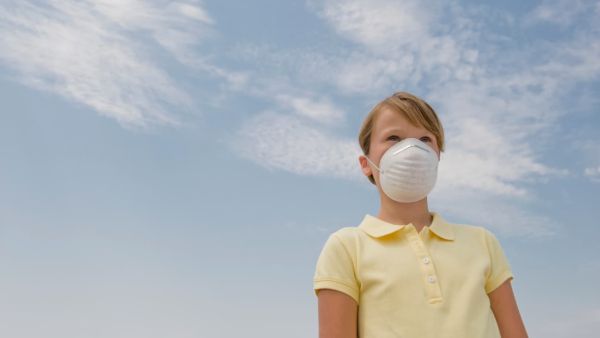
A new ALA report finds nearly half of US children breathe unsafe air from smog and soot. Learn about the severe health risks and the unequal burden on communities of color.
A new report has shown a concerning trend in air quality across the United States, revealing that almost half of all children are living in areas where air pollution levels are unsafe. These findings come from the 27th annual State of the Air report by the American Lung Association (ALA), which used air quality data collected between 2022 and 2024.

Children at Risk
The report states that approximately 33.5 million children, or 46% of those under 18, are exposed to at least one type of poor air quality. More alarmingly, about 7 million children live in areas where all three major types of pollution - ground-level ozone (smog), and short- and long-term particle pollution, commonly referred to as soot - fail to meet safety standards.
Health Concerns
Will Barrett, assistant vice-president of Nationwide Clean Air Policy at the American Lung Association, explained that children are especially at risk because their lungs are still developing.
He noted that children breathe more air relative to their body size and spend more time outside, increasing their exposure to pollution. This can lead to long-term lung damage, the development of asthma, and a higher risk of respiratory issues later in life.
Unequal Burden
The report also points out that communities of colour face a greater burden from polluted air. While they make up just over 42% of the US population, they account for more than 54% of people living in areas where at least one air quality standard is not met.
People of colour are also more than twice as likely as white people to live in areas that fail all three pollution standards. This increases the risk of health problems such as asthma, diabetes, and heart disease.
Rising Smog
Smog remains the most widespread pollutant impacting public health. Between 2022 and 2024, about 129 million people, or roughly 38% of the US population, were exposed to unsafe levels of ozone. This is the highest number recorded in six years, and it represents an increase of nearly four million people compared to the previous year.
Experts believe this rise is linked to extreme weather events like heatwaves, droughts, and wildfires. Smoke from large wildfires in Canada in 2023 also played a significant role, alongside weather conditions that helped create more ozone, especially in the southwest and midwestern states.
Climate Impact
The report, written by scientists working with the American Lung Association and supported by environmental researchers, also highlights the effect of climate change. Rising temperatures and weaker winds are allowing pollutants to accumulate and form ozone more easily, worsening air quality in large parts of the country.
Growing Concerns
Another issue that has emerged is pollution from data centres. These facilities already consume about 4.4% of US electricity, and this figure could rise to 12% in the next decade. Many of these centres rely on grids powered by fossil fuels and use diesel backup generators, which release harmful particles linked to cancer.
Policy Debate
Barrett warned that recent changes in environmental policy under the current Environmental Protection Agency are weakening air quality protections. He pointed to delays and rollbacks in pollution standards related to vehicles, oil and gas emissions, and toxic substances like mercury. Since taking office, the Trump administration has reportedly taken around 70 steps to ease environmental regulations, raising further concerns about the future of air quality in the country.
Source: The Guardian
-
IPL 2026: Even if you sit on the bench… sister made fun of two brothers playing in MI vs CSK match

-
These 5 modern rules are creating rift in relationships, are you also making such mistakes?

-
Curd Or Chaas, Which Is Easier On The Gut During Summer? Nutritionist Explains

-
Japan Launches Tourist Pasmo Card From May 2026: Price, Validity, and How It Works

-
Bernstein warns India against complacency, urges key policy reforms