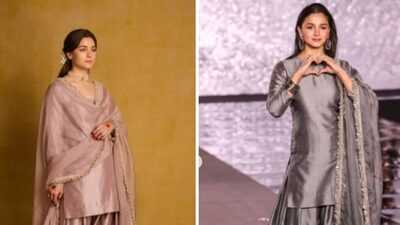
Social media witnessed a fresh controversy after a Pakistani clothing brand, Wajayesha Official, shared a series of images portraying Alia Bhatt as the face of its latest collection. The images, which quickly went viral across platforms, were later identified as digitally manipulated using artificial intelligence, leading to strong reactions from fans and internet users.
The incident has once again highlighted the growing concerns around the misuse of AI-generated content, especially involving celebrities, without consent. While the brand attempted to market its products using the edited visuals, the move has raised questions about authenticity, intellectual property rights, and ethical marketing practices in the digital age.
Viral Images and Immediate Online Reaction
The controversy began when Wajayesha Official posted a series of promotional images on its social media platforms. These images depicted Alia Bhatt wearing various silk outfits from the brand’s collection, including shades like black, burgundy, teal, and lavender.
The visuals appeared realistic at first glance, showcasing the actress in elegant poses and stylish attire. The caption accompanying the images claimed that Alia Bhatt liked their collection and encouraged customers to place orders.
However, within hours of the post going live, fans began noticing inconsistencies in the images. Several users pointed out unnatural blending, mismatched lighting, and facial distortions, indicating that the pictures had been edited using AI tools.
Social media users quickly called out the brand for allegedly misrepresenting the actress. Comments ranged from disbelief to criticism, with many accusing the label of using “cheap marketing tactics” to gain attention.
The situation escalated as more users joined the conversation, questioning whether the actress had any knowledge of the campaign.
Brand’s Response Fuels Debate
Instead of removing the posts or issuing a clarification, Wajayesha Official responded to comments in a casual and somewhat humorous manner. When a user warned that Alia Bhatt might take legal action, the brand replied that she would not.
In response to questions about whether the actress was aware of the campaign, the brand encouraged users to make the post viral so that she could find out. This approach was perceived by many as dismissive and further fueled criticism.
The brand also acknowledged that the images were edited but insisted that the products themselves were genuine. While this statement attempted to defend the quality of their clothing, it did little to address concerns about unauthorized use of a celebrity’s image.
The responses drew mixed reactions, with some users finding the replies amusing, while others criticized the brand for lacking professionalism and accountability.
Ethical Concerns Around AI and Celebrity Images
The incident has reignited discussions about the ethical use of artificial intelligence in marketing and content creation. AI tools have made it easier to create realistic images, but their misuse raises serious concerns.
Using a celebrity’s likeness without permission can lead to legal consequences, as it involves issues related to image rights and intellectual property. Celebrities often have contractual agreements and brand endorsements, making unauthorized usage particularly problematic.
Experts argue that such practices not only harm the reputation of the individuals involved but also undermine trust in digital content. Consumers may find it difficult to distinguish between authentic and manipulated visuals, leading to misinformation.
The growing prevalence of AI-generated content has prompted calls for stricter regulations and guidelines to prevent misuse. Transparency and disclosure are increasingly being emphasized as essential components of ethical digital practices.
Original Sources of Images Identified
Further investigation revealed that the base images used in the edited visuals were taken from Alia Bhatt’s public appearances and social media posts. One of the widely circulated images was traced back to her appearance at the L’Oréal Paris runway event in 2024.
By superimposing new outfits onto these existing images, the brand created the illusion of an official photoshoot. While the editing was convincing to some extent, closer inspection revealed clear signs of manipulation.
This method of repurposing publicly available images is not uncommon, but it raises questions about consent and authenticity. Celebrities often share images for personal or promotional purposes, not for third-party commercial use.
Public Reaction and Social Media Trends
The controversy quickly became a trending topic on social media, with users sharing screenshots and discussing the implications of the incident. Hashtags related to AI misuse and celebrity image rights gained traction.
Many users criticized the brand for attempting to mislead customers, while others used humor to highlight the situation. Memes and jokes circulated widely, reflecting the internet’s mixed response.
Some users also expressed concern about the broader impact of such practices, emphasizing the need for digital literacy and awareness. As AI technology becomes more accessible, incidents like this are likely to become more frequent.
Legal and Industry Implications
From a legal perspective, the use of AI-generated images featuring a celebrity without consent could lead to potential lawsuits. Image rights and personality rights are protected in many jurisdictions, and unauthorized usage can result in penalties.
Brands are expected to adhere to ethical marketing standards, ensuring transparency and honesty in their campaigns. Misleading advertisements can damage brand credibility and lead to loss of consumer trust.
Industry experts suggest that companies should invest in original content creation rather than relying on manipulated visuals. Authenticity is increasingly valued by consumers, making ethical practices a key factor in long-term success.
Broader Impact on Digital Marketing
The incident highlights the evolving landscape of digital marketing, where technology plays a significant role. While AI offers numerous opportunities for creativity and innovation, it also presents challenges related to ethics and regulation.
Brands must strike a balance between leveraging technology and maintaining integrity. Misuse of AI can have far-reaching consequences, affecting not only individual reputations but also the credibility of the industry as a whole.
The controversy serves as a reminder of the importance of responsible content creation and the need for clear guidelines governing the use of AI in marketing.
Conclusion
The viral controversy surrounding Wajayesha Official’s AI-edited images of Alia Bhatt underscores the growing complexities of the digital age. As technology continues to evolve, so do the challenges associated with its use.
While the incident has generated significant attention, it also highlights the need for greater awareness, accountability, and ethical standards in digital content creation.
For brands, the lesson is clear: authenticity and transparency are essential in building trust and maintaining credibility in an increasingly digital world.
The post Pakistani Brand Faces Backlash Over AI-Edited Alia Bhatt Photos appeared first on CliQ INDIA.
-
IPL 2026: Even if you sit on the bench… sister made fun of two brothers playing in MI vs CSK match
-
These 5 modern rules are creating rift in relationships, are you also making such mistakes?

-
Curd Or Chaas, Which Is Easier On The Gut During Summer? Nutritionist Explains

-
Japan Launches Tourist Pasmo Card From May 2026: Price, Validity, and How It Works
-
Bernstein warns India against complacency, urges key policy reforms