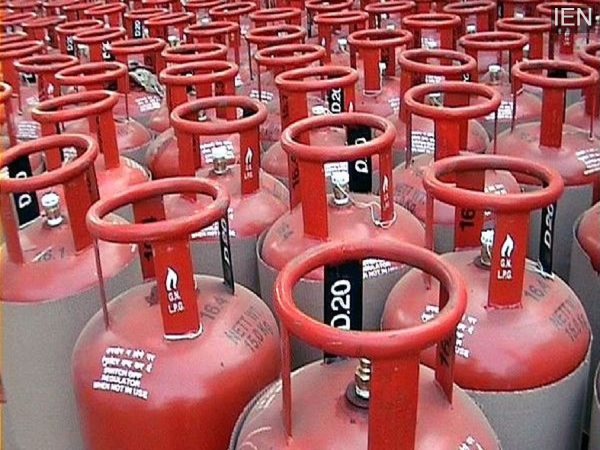
LPG Crisis: In light of the prevailing shortage of LPG, the Bihar government has taken a new decision. Under this initiative, coal will now be made available at ration shops, offering people some relief from the scarcity of LPG gas.
LPG Crisis in Bihar: The repercussions of the conflict between the US and Iran are being felt across the globe. Consequently, a shortage of fuel and gas is being observed worldwide. This impact is particularly pronounced in India. In this context, state governments across the country are continuously striving to find solutions to this shortage. Taking a step forward in this direction, the Bihar government has implemented a measure that has brought a significant sigh of relief to the general public.
The Bihar Government's New Decision
In response to the nationwide shortage of domestic cooking gas, the Bihar government has decided to provide coal to citizens through ration shops. This will serve as an alternative fuel source to LPG, enabling people to cook their meals at home with ease. This new initiative by the government aims to make the daily lives of common citizens a little easier.
How to Obtain Coal?
This decision has been taken by the government specifically to provide relief to the public; however, the benefits of this initiative will be available only to those who possess a ration card. Coal will be issued to individuals only upon the production of a valid ration card. As of now, the government has not issued any specific guidelines regarding those who do not hold a ration card.
Here is what you need to know regarding the quantity and procedure for obtaining coal:
This facility is intended for individuals covered under the National Food Security Act (NFSA).
Under this initiative, each eligible family will be allocated approximately 100 kilograms of coal.
The government has formulated a comprehensive plan to manage the supply of coal.
The coal will first be procured from coal mining companies, with Coal India playing a pivotal role in this process.
Subsequently, the procured coal will be dispatched to wholesale distributors.
From there, the coal will be transported to various districts to ensure it reaches the general public.
Finally, the coal will be delivered to ration shops through the PDS (Public Distribution System) network. To explain this system to you in simple terms: just as you purchase rations using a ration card, you will be able to obtain coal in exactly the same way.
-
Vaibhav Sooryavanshi Continues Dream Tour With Another Fifty Against Zimbabwe

-
UP Govt Announces Extra Buses, 24-Hour Control Rooms For Kanwar Yatra 2026
-
‘Who knows in the future’ - Erling Haaland tells how he replied to Tom Holland’s Tottenham transfer request as Spider-Man turns secret agent

-
How The NEET Protest Battle Was Won: Inside CJP's Negotiation Strategy That Forced Centre To Accept Key Demands
-
I was all set to sign for Johan Cruyff’s Barcelona, but when he said he might be leaving, I chose Inter instead: Youri Djorkaeff on missing out on a move to his idol’s team