

As the financial year 2025–26 has officially ended, taxpayers across India are gearing up to file their Income Tax Returns (ITR). However, many people are unsure whether they can start filing immediately or need to wait. Here’s a complete, easy-to-understand guide covering filing timelines, deadlines, and important rules.
When Will ITR Filing Start?According to experts, taxpayers cannot file their returns until the Income Tax Department activates the relevant forms on the official portal. For Assessment Year 2026–27, filing is expected to begin around May 2026.
The process starts only after:
- ITR forms are released
- The e-filing system is enabled
Until your specific ITR form becomes available online, you won’t be able to submit your return.
Important Deadlines for ITR Filing (AY 2026–27)Here are the key due dates every taxpayer should remember:
- 31 July 2026 – Individuals (no audit required)
- 31 August 2026 – Businesses/professionals (without audit)
- 31 October 2026 – Tax audit cases
- 30 November 2026 – Transfer pricing cases
Filing within these deadlines helps you avoid penalties and ensures smooth processing of refunds.
Documents You Should Keep ReadyBefore the filing window opens, it’s smart to collect all necessary documents. This will make the process faster and reduce errors.
Essential documents include:
- Form 16 (salary details)
- TDS certificates
- Bank statements
- Interest income details
- Capital gains statements
- Investment proofs
Having everything organized in advance can save time and help you file accurately.
Who Must File an ITR?Filing an ITR is mandatory if your income exceeds the basic exemption limit.
- Old tax regime: ₹2.5 lakh
- New tax regime: ₹4 lakh
Apart from income limits, you must also file ITR in cases such as:
- High-value financial transactions
- Ownership of foreign assets
- Large electricity bills or unusual spending patterns
- Higher TDS deductions
Even if your income is below the taxable limit, filing an ITR can still be beneficial.
Key advantages include:
- Acts as official income proof
- Helpful for loan approvals and visa applications
- Enables TDS refunds
- Allows you to carry forward losses (like stock market losses)
So, filing ITR is not just about paying taxes—it also strengthens your financial profile.
What Happens If You Miss the Deadline?Failing to file your ITR on time can lead to several consequences:
- Late filing fee under Section 234F
- Interest on unpaid tax
- Delay in refunds
- Loss of ability to carry forward certain losses
Timely filing helps you avoid unnecessary financial and legal complications.
Final TakeawayWhile you cannot file your ITR immediately after the financial year ends, the process is expected to begin in May 2026 once the forms are activated. Use this waiting period wisely—prepare your documents, review your finances, and plan ahead.
Filing your return on time not only keeps you compliant but also ensures smoother financial planning for the future.
-
TATA IPL 2026, Match 31: SRH Vs DC – Match Report

-
Sunrisers' Abhishek hits fifth-highest IPL score

-
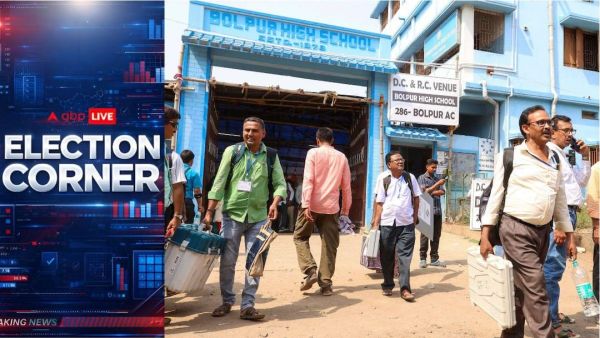
High-Stakes Voting Begins In West Bengal, Tamil Nadu Under Tight Security
-
US Intercepts Iranian Oil Tankers Near India, Malaysia, Sri Lanka Amid Escalating Gulf Tensions

-
STCH Raises $7 Mn To Build AI-Led Fabric R&D, Manufacturing Platform