Malaria Prevention: From Awareness to Action to Stop a Deadly Mosquito Disease and Save Lives
Sanjeev Kumar | April 23, 2026 3:23 AM CST
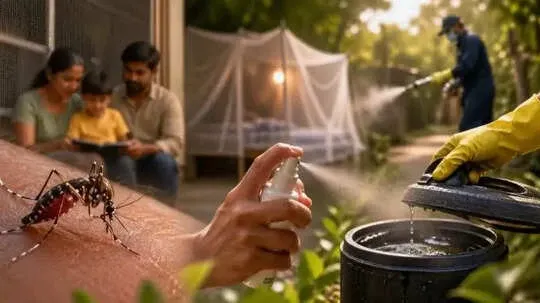
Malaria continues to be a major global health threat, with over 280 million cases and nearly 600,000 deaths reported annually. Experts believe the deadly disease, which remains one of the most serious mosquito-borne infections, particularly in countries like India, thrives more since climate conditions favour mosquito breeding.
Despite increased awareness, experts warn that malaria prevention in India still lacks consistent action, leading to avoidable complications and deaths. "Despite decades of awareness campaigns and medical advances, millions of people, particularly in tropical and developing regions, continue to face the threat of infection," said Dr. Mala Kaneria, Consultant, Infectious Disease, Jaslok Hospital & Research Centre.
"Those in the vulnerable or high-risk groups, such as children, the elderly, pregnant women, those with comorbidities like uncontrolled diabetes, severe liver, heart, or kidney disease, immunocompromised individuals such as transplant patients or those on chemotherapy or high-dose steroids, bear the brunt of severe infection and risk mortality," she added.
Why does malaria remain a dangerous health crisis?
Malaria is caused by parasites transmitted through the bite of infected Anopheles mosquitoes. While it is treatable, delayed diagnosis or neglect can lead to severe complications such as cerebral malaria, anemia, and organ failure, and even death
Symptoms often begin with fever, chills, fatigue, and body aches, but many patients seek care only at advanced stages, reducing survival chances. Furthermore, co-infections during the monsoon period, particularly malaria with dengue or leptospirosis, are associated with a higher risk of severe outcomes and increased mortality," said Dr. Kaneria.
Why are malaria cases rising rapidly?
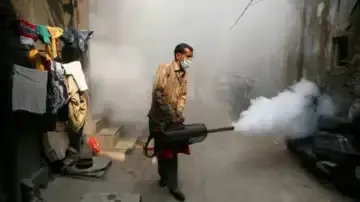
According to experts, the surge in cases is due to multiple environmental and societal factors, which include:
 How does early diagnosis save lives?
According to Dr. Joshi, early diagnosis is one of the best ways to avoid any untoward circumstances. "Neglecting the issue can lead to complications like cerebral malaria, anaemia, or even organ failure. People who are prone to getting affected by malaria include children, pregnant women, or individuals with weak immune systems," he said.
It is important to seriously consider preventive measures as a collective obligation. Monitoring, effective diagnosis equipment, and prompt measures are essential aspects that need focus in the health sector. "It is also important to get into touch with the community because simple things like keeping the environment clean and seeking assistance from the health facility when one has a fever contribute significantly," said Dr. Joshi.
Malaria is a collective responsibility
From awareness to action demands continuous dedication, not only during high seasons but all year round. Malaria can be prevented and treated, but this can happen only through collective efforts between individuals, communities, and the health sector.
Malaria prevention is not just an individual effort - it requires community-wide action. Clean surroundings, proper waste management, and timely healthcare access can significantly reduce transmission. Health systems must also strengthen disease monitoring and surveillance, access to diagnostic tools, and public health awareness campaigns.
While malaria is both preventable and treatable, it continues to claim lives due to delayed action and poor preventive practices. With rising climate risks and urban challenges, the urgency to act has never been greater. Moving from awareness to action is the only way forward. With coordinated efforts from individuals, communities, and healthcare systems, India can significantly reduce malaria cases and save thousands of lives.
How does early diagnosis save lives?
According to Dr. Joshi, early diagnosis is one of the best ways to avoid any untoward circumstances. "Neglecting the issue can lead to complications like cerebral malaria, anaemia, or even organ failure. People who are prone to getting affected by malaria include children, pregnant women, or individuals with weak immune systems," he said.
It is important to seriously consider preventive measures as a collective obligation. Monitoring, effective diagnosis equipment, and prompt measures are essential aspects that need focus in the health sector. "It is also important to get into touch with the community because simple things like keeping the environment clean and seeking assistance from the health facility when one has a fever contribute significantly," said Dr. Joshi.
Malaria is a collective responsibility
From awareness to action demands continuous dedication, not only during high seasons but all year round. Malaria can be prevented and treated, but this can happen only through collective efforts between individuals, communities, and the health sector.
Malaria prevention is not just an individual effort - it requires community-wide action. Clean surroundings, proper waste management, and timely healthcare access can significantly reduce transmission. Health systems must also strengthen disease monitoring and surveillance, access to diagnostic tools, and public health awareness campaigns.
While malaria is both preventable and treatable, it continues to claim lives due to delayed action and poor preventive practices. With rising climate risks and urban challenges, the urgency to act has never been greater. Moving from awareness to action is the only way forward. With coordinated efforts from individuals, communities, and healthcare systems, India can significantly reduce malaria cases and save thousands of lives.
- Climate Change is expanding mosquito habitats
- Rapid urbanisation and overcrowding
- Poor sanitation and stagnant water accumulation
- Insecticide and drug resistance
- Delayed diagnosis and self-medication
- Use mosquito repellents and bed nets regularly
- Install window screens to block mosquito entry
- Eliminate stagnant water around homes
- Wear full-sleeved clothing, especially during evenings
How does early diagnosis save lives?
According to Dr. Joshi, early diagnosis is one of the best ways to avoid any untoward circumstances. "Neglecting the issue can lead to complications like cerebral malaria, anaemia, or even organ failure. People who are prone to getting affected by malaria include children, pregnant women, or individuals with weak immune systems," he said.
It is important to seriously consider preventive measures as a collective obligation. Monitoring, effective diagnosis equipment, and prompt measures are essential aspects that need focus in the health sector. "It is also important to get into touch with the community because simple things like keeping the environment clean and seeking assistance from the health facility when one has a fever contribute significantly," said Dr. Joshi.
Malaria is a collective responsibility
From awareness to action demands continuous dedication, not only during high seasons but all year round. Malaria can be prevented and treated, but this can happen only through collective efforts between individuals, communities, and the health sector.
Malaria prevention is not just an individual effort - it requires community-wide action. Clean surroundings, proper waste management, and timely healthcare access can significantly reduce transmission. Health systems must also strengthen disease monitoring and surveillance, access to diagnostic tools, and public health awareness campaigns.
While malaria is both preventable and treatable, it continues to claim lives due to delayed action and poor preventive practices. With rising climate risks and urban challenges, the urgency to act has never been greater. Moving from awareness to action is the only way forward. With coordinated efforts from individuals, communities, and healthcare systems, India can significantly reduce malaria cases and save thousands of lives.
READ NEXT
-
Gifts for Mother’s Day: Unique designs of nettles

-
Indian Army has announced recruitment for 190 posts, fill the form till 31st May, know the selection process and eligibility.
-
Zendaya sparks buzz with subtle Tom Holland tribute at LA event

-
Bride Explains Why She Hasn’t Spoken To Her Maid Of Honor Since Her Wedding

-
Daily Tarot Horoscope For Each Zodiac Sign On May 3, 2026