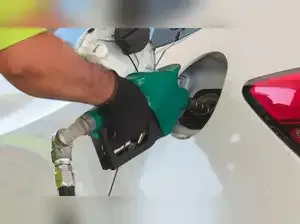
New Delhi: The government is consulting stakeholders on raising the ethanol blending ratio in petrol and introducing flex-fuel vehicles, as greater use of biofuels in transport would help curb oil imports, said a petroleum and natural gas ministry official.
"It is an idea whose time has arrived," Sujata Sharma, joint secretary in the ministry, told a news conference when asked whether the government was considering increasing the mandated share of ethanol in domestic petrol sales.
Read more: India should aim for 100% ethanol blending, says Nitin Gadkari
The government is also seeking to align stakeholders on flex-fuel vehicles. "On one side the automobile companies have to keep the vehicles ready. At the same time, our oil marketing companies also have to be ready to supply that kind of fuel," Sharma said.
State oil companies blended 10.22 billion litres of ethanol in the 2024-25 ethanol supply year, which ended in October 2025, achieving an average blending ratio of 19.2%. In the current ethanol supply year, which began in November 2025, the blending ratio is 20%.
Read more: West Asia conflict clouds outlook, but infra investments seen rising 45–50% through FY27–28: Crisil
Rising ethanol production capacity had sparked discussions among policymakers last year about increasing the blending ratio. The talks, however, subsided after a social media backlash over reduced mileage and potential damage to vehicles not designed for higher ethanol blends.
The Iran war, which has made supplies harder to secure, has revived the case for raising the blending ratio. At the same time, domestic overcapacity in ethanol production could make such a move easier to implement, though it may again face pushback from vehicle owners.