
The Uttar Pradesh government has revised its wheat procurement standards for the Rabi Marketing Season 2026-27 in response to damage caused by recent unseasonal rainfall. The decision aims to reduce the risk of farmers being forced to sell their produce at lower prices due to deterioration in grain quality.
Under the updated norms, wheat showing luster loss, or reduced shine due to weather exposure, will now be accepted up to a limit of 70 percent. Earlier, this threshold was significantly lower. In addition, the permissible limit for shriveled and broken grains has been increased from 6 percent to 20 percent, allowing a larger share of rain-affected produce to qualify for procurement.
Officials stated that the move is intended to provide immediate relief to farmers whose crops have suffered quality damage while ensuring that procurement operations continue smoothly across the state. The government has also outlined that wheat procured under these relaxed standards will be stored separately from standard-grade wheat. A distinct accounting and tracking system will be used to maintain clarity in storage and distribution.
According to the revised plan, the segregated stock will be used only within Uttar Pradesh. This measure has been introduced to ensure controlled usage and maintain overall quality standards in the supply chain. Authorities have also clarified that any further decline in quality during storage will be the responsibility of the state administration.
The government has further indicated that such stocks will be prioritized for timely disposal and utilization to avoid long-term storage issues. The decision is expected to benefit farmers across multiple regions affected by rainfall, particularly those who might otherwise have struggled to meet existing procurement quality requirements.
Overall, the revised procurement framework is designed to balance farmer welfare with operational requirements of grain procurement and storage during a season marked by weather-related disruptions.
-
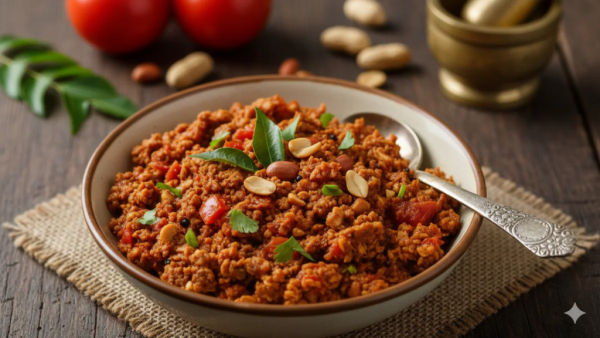
A Simple Tomato Chutney That Adds Protein To Your Breakfast Plate
-
Urine infection increases due to consumption of ‘these’ sparkling foods in daily diet, take care of delicate organs in such a way

-
Realme C81 smartphone to launch in India soon; 4GB RAM, 6300mAh battery and…

-
MI vs CSK: Sanju Samson stormed Wankhede, scored his second century of this season against Mumbai.

-
Pistons Beat Magic 98-83 in Game 2 to Even Series