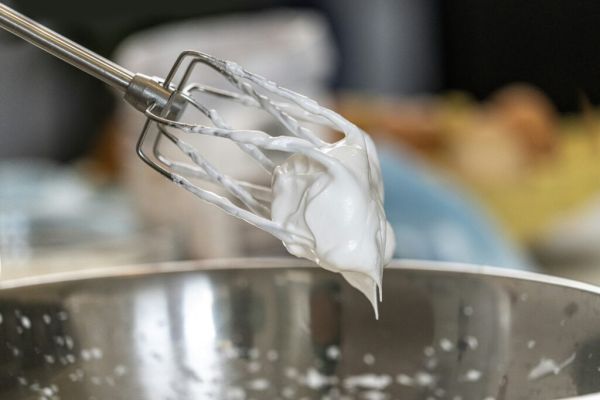
You have ordered a beautiful cake, the frosting looks immaculate, the rosettes are perfectly piped, and you take a bite expecting something rich and creamy. But something feels slightly off. The cream is sweet, oddly waxy, and leaves a strange coating on your tongue that doesn’t quite go away. Sound familiar? Most of us have been there without knowing what actually happened. The cream on that cake was almost certainly not real whipped dairy cream. It was non-dairy cream, a plant-based alternative that has become the standard across most Indian bakeries, and for reasons that make a lot of practical sense. But knowing the difference matters, whether you care about ingredients, taste, or simply getting what you paid for.
First, What Are We Actually Talking About?
Photo Credit: iStock
Let us quickly clarify the two players here before we get into the how-to-spot-it part.
Whipped cream (or fresh dairy cream) is made from cow’s milk. Dairy whipping cream is made from cow milk and contains at least 30 percent dairy fat. It is the fat in cream that creates a creamy texture, smooth mouthfeel, and support for soft peaks. When you whip it, air gets incorporated into those fat molecules, creating that light, airy cloud of cream you see on a well-made cake. Heavy cream, or whipping cream, typically contains around 36 percent milk fat, making it a popular choice for culinary applications that require aeration.
Non-dairy cream, on the other hand, is an entirely different product. The leading ingredients in most non-dairy topping creams are water, hydrogenated vegetable oil, and corn syrup, often with added thickeners, emulsifiers, and stabilizers. It is designed to mimic the look and function of dairy cream, but it is fundamentally a manufactured product rather than a natural one. Non-dairy whipping cream is generally very stable, making it an excellent choice for cake decorations and toppings. It holds its shape well and can withstand higher temperatures without melting as quickly as dairy cream.
That last point is exactly why it dominates Indian bakeries. In a country where temperatures regularly cross 35 degrees, a cream that holds up without weeping or collapsing is a practical necessity. Real dairy cream simply cannot handle our summers without refrigeration at every step. Non-dairy cream can sit out for hours and still look perfect. Which is great for the bakery, but not always great for you, the person eating it.
How to Identify the Difference
Here are six reliable ways to tell what is on your cake, no lab required.
| test | Real Whipped Cream | Non-Dairy Cream |
| Taste Test | Light, mildly sweet, does not overpower cake flavour, milky and clean taste | Much sweeter, artificial or overly creamy, oily aftertaste, sweetness lingers |
| Mouthfeel Test | Airy, slightly soft texture, melts quickly, clean and fresh aftertaste | Structured, dense, greasy or oily feeling, waxy or gummy texture |
| Appearance and Finish | Slightly matte, soft finish, piping is pretty but not razor-sharp | Glossy, plastic-looking surface, crisp, architectural piping |
| Melting Test | Melts almost instantly from skin warmth | Feels waxy or firm, does not melt cleanly |
| Ingredients Label | Listed as cream or dairy | Labeled as vegetable fat, stabilizers, non-dairy topping, whipped topping, palm oil |
| Price and Bakery Context | More expensive, used by high-end patisseries, premium shops, boutique bakers | More affordable, used by neighborhood bakeries, supermarkets, budget orders |
Why Do Most Bakeries Prefer Non-Dairy Cream?

It is worth understanding the bakery’s perspective here, because it is not about cutting corners for the sake of it. Non-dairy whipped cream lasts longer, holds better when baking and decorating, and is more convenient to the end-user when cooking in busy kitchens. In India’s climate, a dairy cream cake that is transported across the city for two hours in a delivery box is genuinely risky. Non-dairy cream handles that journey with grace. It also holds piped decorations and intricate designs far better than dairy cream, which is why the elaborate cakes you see in shop windows almost always use it.
Non-dairy whipping cream can be a good option for those who are lactose intolerant, vegan, or allergic to dairy. For a large portion of the Indian population with varying degrees of lactose sensitivity, a non-dairy cake is actually a more comfortable choice. So while it does get a bad reputation as the “fake” option, it serves a genuine purpose in the bakery world.
The issue is not that non-dairy cream exists or is used widely. The issue is when you expect one and get the other, especially when you are paying a premium and assuming the word “cream” on the label means dairy cream. That is where knowing how to read the signs becomes genuinely useful.
A Quick Reference to Remember
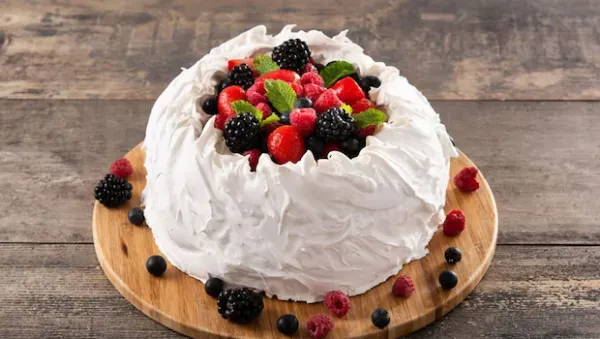
Real whipped dairy cream melts fast, tastes clean and milky, has a slightly matte finish, is lightly sweet, and leaves no oily coating on your tongue. Non-dairy cream holds its shape for hours, is noticeably sweeter, has a slightly waxy or glossy look, and leaves a soft, fatty film in your mouth after eating. The piped edges are sharper, the surface looks more pristine, and the whole thing holds together even in warm conditions. Once you know what to look for, the difference becomes quite obvious.
Dairy And Non-Dairy?
Neither whipped dairy cream nor non-dairy cream is inherently bad. Both have their place, and both are used professionally in bakeries around the world with good reason. The goal here is simply to be an informed eater. When you order a cake with “fresh cream,” it is completely reasonable to want to know what that actually means. Use the taste, texture, appearance, and label tips in this guide, and you will rarely be caught off guard again. And if you want the real thing, go ahead and ask your bakery directly. Most will tell you honestly, and the good ones will be proud to confirm they use dairy cream. That little bit of knowledge changes how you shop, how you order, and how you eat.
-
Jisoo of Blackpink Distances Herself from Brother Amid Controversy

-
Trisha Krishnan's Voting Appearance Sparks Speculation About Her Future

-
UK health data project hacked with 500,000 Brits' info now on sale in China
-
Teacher's Hilarious Mistake Declares Student 'Deceased' on Report Card

-
American Dream Breaking? 40% Indian Americans Are Now Thinking Of Leaving The U.S.