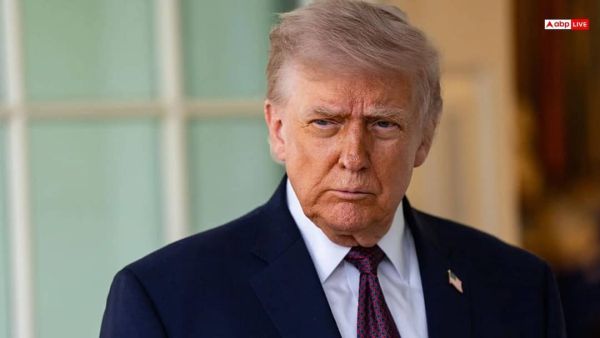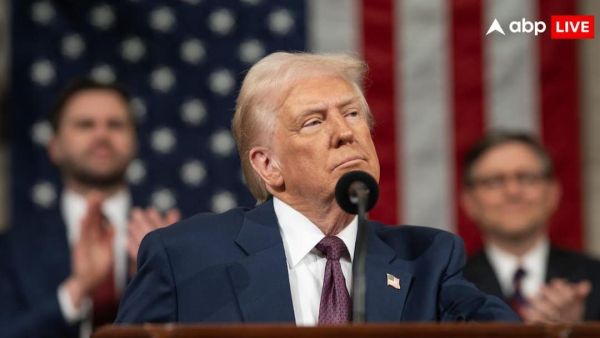
US President Donald Trump announced that the ceasefire between Israel and Lebanon is extended by 3 weeks, he shared this update on social media. A big meeting happened in Washington at the White House, where Trump met leaders and officials from both countries, as per Trump post on X. Top US leaders like JD Vance, Marco Rubio, Mike Huckabee, and Michel Issa were also present. Trump said the meeting “went very well” and called it a historic moment.
The US said it will help Lebanon protect itself from Hezbollah, which is a major armed group in Lebanon. The ceasefire was about to end on Sunday but is now extended for 3 more weeks after fresh talks. This ceasefire aims to stop more than 7 weeks of fighting between Israel and Hezbollah, which is backed by Iran. Trump also said he may soon host Benjamin Netanyahu and Joseph Aoun for talks.
After the US and Israel attacked Iran on 28 February and killed Iran’s supreme leader, Hezbollah reacted strongly. Hezbollah fired rockets and drones into Israel on 2 March in retaliation. Israel then launched heavy airstrikes on Lebanon, especially in the south and Beirut.
On Israel’s side, attacks by Hezbollah killed 2 civilians and 15 Israeli soldiers. In Lebanon, more than 1 million people had to leave their homes because of the war. Most of them are from the south, where many houses and villages were badly damaged.
Hezbollah is not only a militant group, but it is also a political party in Lebanon that holds a lot of power. The US, Israel, and some leaders in Lebanon want Hezbollah to give up its weapons, but the group said no. President Joseph Aoun said you cannot take away their weapons by force, and doing that could lead to more violence.
The ceasefire was extended by Donald Trump after talks to reduce fighting and give more time for peace efforts.
Q2. What caused the recent Israel Hezbollah clashes?
Clashes increased after attacks involving Hezbollah and Israel, including rockets and airstrikes following regional tensions.
The US said it will help Lebanon protect itself from Hezbollah, which is a major armed group in Lebanon. The ceasefire was about to end on Sunday but is now extended for 3 more weeks after fresh talks. This ceasefire aims to stop more than 7 weeks of fighting between Israel and Hezbollah, which is backed by Iran. Trump also said he may soon host Benjamin Netanyahu and Joseph Aoun for talks.
Ceasefire violations and fresh clashes
Even after the ceasefire, both Israel and Hezbollah accused each other of breaking the agreement. Hezbollah said it fired rockets at northern Israel, claiming Israel violated the ceasefire first, as noted by BBC. The Israeli military said it stopped (intercepted) those rockets before they caused damage. Lebanon accused Israel of war crimes after an airstrike killed a journalist and injured another. Israel denied targeting journalists and rejected the accusation.Israel-Lebanon talks and rising tensions
Before the talks, Israel said it has no major issues with Lebanon and wants to work together against Hezbollah. Last week’s meeting was very important because it was the first direct high-level contact between Israel and Lebanon in 30 years. Earlier, Israel and Hezbollah had agreed to a ceasefire in November 2024, but tensions continued after that. Israel kept carrying out almost daily attacks on targets linked to Hezbollah even after that earlier ceasefire.After the US and Israel attacked Iran on 28 February and killed Iran’s supreme leader, Hezbollah reacted strongly. Hezbollah fired rockets and drones into Israel on 2 March in retaliation. Israel then launched heavy airstrikes on Lebanon, especially in the south and Beirut.
Death toll and displacement crisis
Israeli troops entered southern Lebanon again in early March and are still holding about 10 km area there. At least 2,294 people have been killed in Lebanon since this latest war started, including women and children, as stated by BBC via Lebanese health ministry. The death count includes 274 women and 177 children, though it does not separate civilians and fighters.On Israel’s side, attacks by Hezbollah killed 2 civilians and 15 Israeli soldiers. In Lebanon, more than 1 million people had to leave their homes because of the war. Most of them are from the south, where many houses and villages were badly damaged.
Hezbollah is not only a militant group, but it is also a political party in Lebanon that holds a lot of power. The US, Israel, and some leaders in Lebanon want Hezbollah to give up its weapons, but the group said no. President Joseph Aoun said you cannot take away their weapons by force, and doing that could lead to more violence.
FAQs
Q1. Why was the Israel Lebanon ceasefire extended?The ceasefire was extended by Donald Trump after talks to reduce fighting and give more time for peace efforts.
Q2. What caused the recent Israel Hezbollah clashes?
Clashes increased after attacks involving Hezbollah and Israel, including rockets and airstrikes following regional tensions.