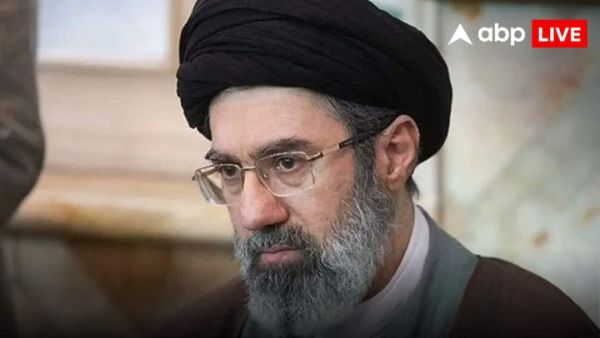
Mojtaba Health Update: Iran’s political and military landscape is undergoing a dramatic shift, with senior commanders of the Islamic Revolutionary Guard Corps (IRGC) stepping into a dominant decision-making role as Supreme Leader Mojtaba Khamenei remains seriously injured and largely out of public reach.
According to a report by The New York Times, Khamenei has been unable to exercise centralized authority after sustaining grave injuries in US-Israeli airstrikes earlier this year. His condition has forced an unusual decentralisation of power, reshaping governance in the Islamic Republic.
Leader In Isolation, Communication Through Couriers
Khamenei is said to be in a secure, undisclosed location, with communication reduced to handwritten notes delivered via trusted couriers. These messages reportedly travel discreetly across highways and rural routes, minimising the risk of interception or targeted attacks.
Direct access to the Supreme Leader has been severely restricted. Even high-ranking officials are avoiding face-to-face meetings, reflecting heightened security concerns and the fragile state of his health.
The report notes the extent of his injuries: severe burns to his face and lips have made speaking difficult, while significant damage to his limbs has required multiple surgeries. One of his legs has been operated on thrice, and he will be using a prosthetic for it. His arm has also undergone surgery and is gradually regaining function. His face and lips have been severely burnt, which makes it difficult for him to speak. Officials have said that he might even need plastic surgery.
Despite these physical challenges, sources indicate that he remains mentally alert and continues to engage in state matters behind the scenes, albeit without making public appearances.
IRGC Emerges As De Facto Power Centre
In Khamenei’s absence, the IRGC leadership has effectively taken control of key decisions, operating collectively in what insiders describe as a “board of generals.” Among the prominent figures are Ahmad Vahidi, Mohammad Bagher Zolghadr, and Yahya Rahim Safavi, all of whom are shaping both domestic governance and strategic direction.
The report highlights a noticeable decline in clerical influence, with military leadership increasingly steering policy. At the same time, "ultra-hard-liners" continue to play an active role in political deliberations, reinforcing a more hardline stance within the ഭരണ structure.
Civilian Government Sidelined
Iran’s elected administration, led by President Masoud Pezeshkian, has been relegated to managing routine governance, including maintaining supplies of essential goods and ensuring internal stability. Pezeshkian, a trained heart surgeon, is also closely involved in overseeing Khamenei’s medical care alongside the country’s health minister.
Diplomatic channels have similarly been reshaped. Foreign Minister Abbas Araghchi, once a central figure in engagement with the United States, has seen his influence diminish. In contrast, parliamentary speaker Mohammad Bagher Ghalibaf has emerged as a more prominent voice in shaping Iran’s foreign policy approach.
Governance By Generals Amid Uncertainty
Owing to Mojtaba's safety, injuries and challenges of reaching him, the decision-making has been delegated to the generals. The evolving power structure underscores a broader transformation within Iran’s political system, where military leadership is filling the vacuum left by an incapacitated supreme authority.
-
Out-of-state distance education degrees invalid for govt jobs: Telangana HC
-
Physical Gold Vs Digital Gold: What Every Indian Investor Needs To Know Before Buying

-
AC is rewiring your health, weakening your immunity: Warning signs to stop ignoring this summer

-
Quote for motivation at work: If you think you are too small to make a difference, try sleeping with a mosquito

-
2026 Yezdi Scrambler 350 launched in India at Rs 2 lakh: Details