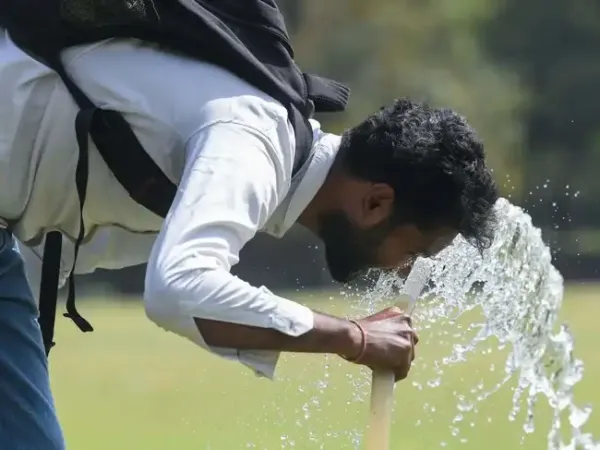
Delhi is staring at a stretch of intense summer days, with the India Meteorological Department issuing a yellow alert and warning of heatwave conditions in parts of the city. Temperatures are already above normal, and the next few days are expected to remain harsh, with little immediate relief.
Also Read: IMD issues scorching heat wave warning for several states; check latest forecast for Delhi, UP, Haryana, MP and other places
Some pockets have already reported heatwave-like conditions, even as the IMD flagged that isolated areas could continue to experience such spells.
"There might be heatwave conditions in isolated parts of the city. Sustained surface winds of speed 15-25 kmph might be observed during the day," an IMD official said.
By mid-week, there could be slight easing, with marginal dips in temperature and a possibility of cloud cover or brief localised showers. However, this is unlikely to bring any significant or lasting relief.
Across North India, the heatwave is expected to persist till at least April 29, with temperatures rising by a few degrees in several regions.
What’s making things worse is the combination of high temperatures and dry winds, which increase the risk of dehydration and heat-related illnesses.
Forecast models suggest pollution levels may stay poor over the weekend before improving slightly in the coming days.
This early and intense heatwave points to a long and uncomfortable summer ahead. With temperatures already touching peak levels in April, residents may have to brace for prolonged spells of extreme heat in the coming weeks.
For now, authorities advise limiting outdoor exposure during peak hours, staying hydrated, and keeping an eye on official weather updates as conditions evolve.
Yellow alert as temperatures stay above normal
The city recorded a rise in both minimum and maximum temperatures, signalling the early grip of peak summer. Safdarjung, Delhi’s base station, logged minimum temperatures above normal levels, while daytime temperatures are hovering around 40–42°C.Also Read: IMD issues scorching heat wave warning for several states; check latest forecast for Delhi, UP, Haryana, MP and other places
Some pockets have already reported heatwave-like conditions, even as the IMD flagged that isolated areas could continue to experience such spells.
"There might be heatwave conditions in isolated parts of the city. Sustained surface winds of speed 15-25 kmph might be observed during the day," an IMD official said.
Delhi Weather: What to expect over the next few days
The forecast shows a clear pattern, Delhi is likely to remain very hot through the weekend and into early next week. Daytime temperatures are expected to stay close to or above 40°C, with dry winds making conditions more uncomfortable.By mid-week, there could be slight easing, with marginal dips in temperature and a possibility of cloud cover or brief localised showers. However, this is unlikely to bring any significant or lasting relief.
Across North India, the heatwave is expected to persist till at least April 29, with temperatures rising by a few degrees in several regions.
Why Delhi heat feels harsher
A heatwave is declared when temperatures cross 40°C and remain significantly above normal levels. In recent days, stations like Lodhi Road and Ridge have already crossed this threshold.What’s making things worse is the combination of high temperatures and dry winds, which increase the risk of dehydration and heat-related illnesses.
Delhi air quality adds to discomfort
Alongside the heat, Delhi’s air quality continues to remain in the ‘poor’ category. Data from the Central Pollution Control Board shows AQI levels above 200, which can affect breathing and overall comfort, especially for children and the elderly.Forecast models suggest pollution levels may stay poor over the weekend before improving slightly in the coming days.
This early and intense heatwave points to a long and uncomfortable summer ahead. With temperatures already touching peak levels in April, residents may have to brace for prolonged spells of extreme heat in the coming weeks.
For now, authorities advise limiting outdoor exposure during peak hours, staying hydrated, and keeping an eye on official weather updates as conditions evolve.