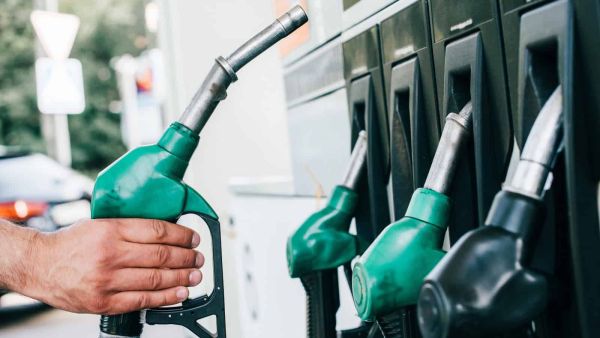
Hyderabad: The government has said it clearly and more than once that there is no plan to raise petrol or diesel prices. But with Assembly elections in West Bengal, Tamil Nadu, Assam, Kerala and Puducherry drawing to a close and global crude hovering near USD 120 a barrel, that assurance is doing little to the growing speculation.
Sujata Sharma, Joint Secretary in the Ministry of Petroleum and Natural Gas, sought to calm nerves at an inter-ministerial briefing last week. “LPG, petroleum and diesel are available in sufficient amount and the prices have not increased, so please do not panic,” she said, adding that the government had taken steps to ensure supply continuity despite disruptions caused by the West Asia crisis.
Numbers tell a different story
The reassurance, however, is contrary to what oil companies are actually absorbing. With India’s crude basket trading at around USD 110 per barrel, under-recoveries for oil marketing companies (OMC) – the gap between what they pay and what they can charge – are estimated at Rs 18 to Rs 20 per litre for petrol and diesel, even after the Rs 10 per litre excise duty cut the government announced in March earlier.

Emkay Global Financial Services, in a recent note, said the situation was unsustainable over the medium term and expected an initial retail price hike of Rs 10 per litre. The brokerage said that even this would not fully cover OMC losses, and that a steeper increase would risk inflation.
Kotak Institutional Equities estimated in a report cited by CNBCTV18 that petrol and diesel prices could rise by Rs 25 to Rs 28 per litre, with OMCs collectively absorbing an additional burden of Rs 27,000 crore every month at the current price.
Election factor
Analysts note that the timing of any revision is as much political as it is economic. Polling concludes on April 29, with vote counting scheduled for May 4, which has become the reference point about when prices might increase.
Fuel prices in India have historically remained static during major election cycles, and the current freeze is widely seen through that lens. The Ministry of Petroleum has dismissed this, saying claims of a post-poll hike are misleading and aimed at creating unnecessary anxiety. It pointed out that India is among the few countries that has not revised fuel prices in four years despite sustained global volatility.
What the global picture looks like
Underpinning all of this is the disruption to supplies through the Strait of Hormuz, through which roughly a fifth of the world’s crude oil passes. The prolonged closure has sent crude surging, with prices now sitting close to USD 120 per barrel. At this level, domestic retail prices, frozen since 2022, will increasingly be difficult to sustain.
Petrol prices in major cities currently range close to Rs 100 per litre. A hike of Rs 25 to Rs 28 would push them past Rs 120, which is an unprecedented level, with cascading effects on transport, logistics and household budgets.
For now, the government is holding its position. The market, for its part, has already started pricing in what comes next.
-
Akashdeep Saigal Returns to Kyunki Saas Bhi Kabhi Bahu Thi 2 as Riyansh

-
Tamil Nadu Chief Minister Enjoys Cycling in Kodai Kanal Amidst Scenic Beauty

-
Release of AAP MLA Meharaj Malik After Court Ruling
-
USS Rafael Peralta Intercepts Iranian Oil Tanker Amid Rising Tensions

-
Girlfriend's Heartbreaking Sacrifice: Donating a Kidney Only to Be Betrayed