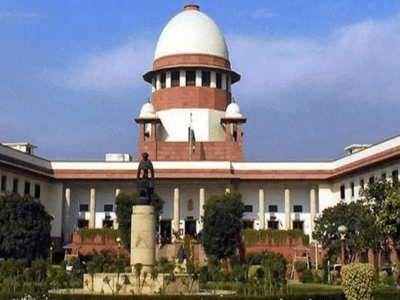
In a significant development for India’s education system, the Supreme Court of India delivered a crucial judgment on April 28, 2026, reinforcing students’ rights under the Right of Children to Free and Compulsory Education Act, 2009.
The ruling makes it clear that private schools cannot refuse admission to students—especially those from disadvantaged backgrounds—once seats are allotted under the RTE framework. This decision is expected to strengthen access to education and ensure that no child is unfairly denied schooling due to procedural doubts or delays.
A Landmark Step Toward Equal EducationThe judgment comes as a major relief for thousands of families who rely on the RTE Act to secure quality education for their children. The court emphasized that the law is designed to promote inclusivity and equal opportunity, and any attempt to block admissions goes against its core objective.
Schools Cannot Reject Admission on Doubtful GroundsOne of the key highlights of the ruling is that private schools are not allowed to deny admission simply because they have doubts about a student’s eligibility.
The court clarified that suspicion or lack of clarity cannot be used as a valid reason to block a child’s right to education. This ensures that children are not unfairly excluded due to administrative or procedural uncertainties.
Immediate Admission Is MandatoryThe court also made it mandatory for schools to grant admission without delay once a seat is allocated by the state government under the RTE Act.
This means that schools must comply immediately and cannot postpone or avoid the admission process under any circumstances.
Verification Can Be Done SeparatelyWhile schools may have concerns about documentation or eligibility, the court allowed them to verify such details through appropriate authorities.
However, this verification process must not interfere with or delay the student’s admission. The priority, according to the court, is to ensure that the child begins their education without disruption.
Pending Disputes Are Not a Valid ExcuseAnother important clarification from the court is that ongoing disputes related to eligibility cannot be used as a reason to deny or delay admission.
Even if there is a disagreement or verification process underway, schools are required to admit the student first and resolve the issue later through proper channels.
What This Means for Students and ParentsThis ruling is a strong step toward protecting the educational rights of children, particularly those from economically weaker sections. It ensures that bureaucratic hurdles or institutional hesitation do not come in the way of a child’s future.
For parents, this decision brings clarity and confidence. Once a seat is allotted under the RTE Act, they can expect schools to comply without unnecessary complications.
Final TakeawayThe Supreme Court’s directive reinforces the idea that education is a fundamental right, not a privilege. By holding private schools accountable under the RTE Act, the ruling strengthens the foundation of inclusive education in India.
As implementation moves forward, this decision is likely to benefit thousands of students, ensuring they receive timely access to schooling and a fair chance at a better future.
-
Tamil Nadu Exit Polls: Vijay Gets Surprise Boost From Axis My India, TVK Predicted To Be The King

-
Exit Polls In India: From 2004 To 2024, Big Predictions Often Miss The Final Verdict
-
What Do Exit Polls Indicate For BJP Across Five States?
-
Nagaland State Lottery Result: April 29, 2026, 8 PM Live - Watch Streaming Of Winners List Of Dear Dream Sambad Night Wednesday Weekly Draw

-
Riyan Parag Vaping Row: BCCI Demands Answers, RR Captain Stares At Strict Punishment