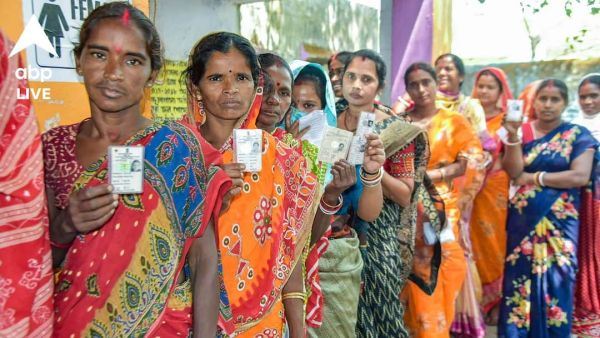
Exit Polls 2026: As voting for the second and final phase of the 2026 Assembly elections in states like West Bengal, Tamil Nadu, Assam, Kerala, and Puducherry concludes, attention now shifts to exit polls. These surveys often heighten both excitement and anxiety among voters eager to know which party may come to power.
What Are Exit Polls?
Exit polls are post-voting surveys conducted outside polling booths. Voters are asked about their choices immediately after casting their ballots. Based on responses from thousands of voters, agencies analyse trends to estimate which party is leading and how many seats it may win. They also offer insights into key issues, leaders, and factors influencing voter decisions.
How Did Exit Polls Begin?
The concept of election surveys originated in the United States in the 1930s and 1940s. However, large-scale exit polling began in 1967 when American researcher Warren Mitofsky conducted one during a gubernatorial election in Kentucky. Around the same time, Dutch sociologist Marcel van Dam carried out a similar exercise in the Netherlands. Over time, media organisations worldwide adopted this method.
Exit polls became controversial in 1980 during the US presidential election when a media outlet released results before voting ended, potentially influencing voters. This led to strict regulations globally, including in India, where exit poll results can only be published after all voting phases conclude.
When Did Exit Polls Start In India?
In India, the first major exit poll was broadcast in 1996 by Doordarshan in collaboration with CSDS. It projected the BJP as the leading party, a prediction close to the final result. Since then, exit polls have become a staple of election coverage.
Their reliability depends on factors such as sample size, neutral questioning, and survey coverage. While they sometimes closely match actual results, they can also be significantly off the mark due to changing voter behaviour or sampling errors.
Under Section 126A of the Representation of the People Act, 1951, publishing exit polls before voting ends is a punishable offence, carrying up to two years in jail, a fine, or both.
In short, while exit polls offer a snapshot of voter sentiment, they remain estimates -- not final results.
-
IPL 2026: Vaibhav Suryavanshi’s point will be made with the help of Jasprit Bumrah! Abhishek Sharma will not be able to do this even if he wants to.

-
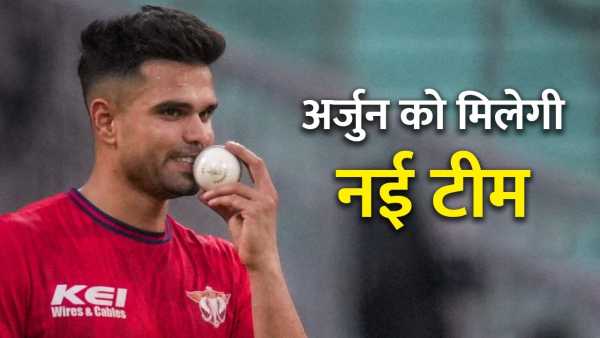
Arjun Tendulkar: Bidding will be held on Arjun Tendulkar on May 2, base price Rs 5 lakh
-
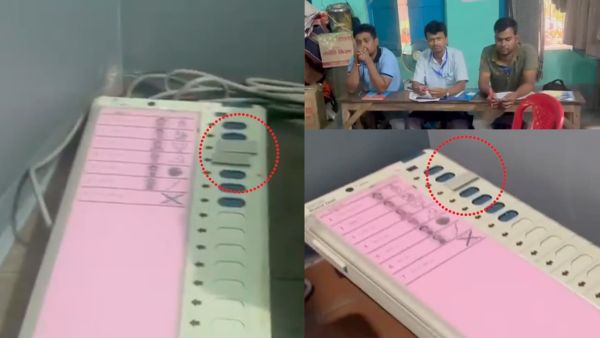
West Bengal Election: Was BJP’s vote stopped by taping EVM? Big election ruckus in Falta. Evm Tape Controversy In Falta Sparks Political Storm Election Commission Orders Repoll
-
Dhongi Baba used to have fun with 100 women, send their husbands out and… – News Himachali News Himachali
-
Explainer: These are the new instructions of RBI regarding identification of bad loans, what will be their impact on banks?