Doha: Rising tensions between the United States and Iran are now increasingly taking the shape of a maritime power struggle, where every ship passing through the Persian Gulf signals the possibility of a new confrontation. Diplomacy has stalled, negotiations have halted, and the exchange of accusations continues to intensify. Meanwhile, political pressure and control over the strategically vital Strait of Hormuz have escalated, pushing the entire West Asia region toward instability. In this context, Qatar has issued a strong statement on the matter.
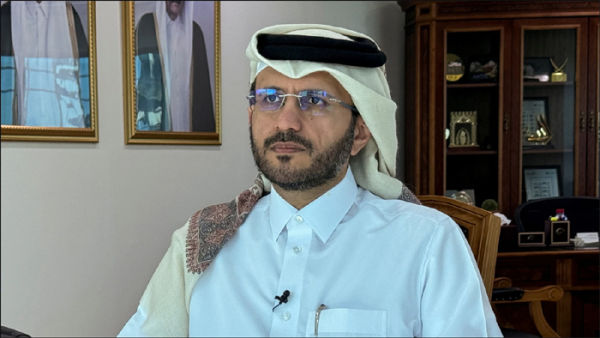
Qatar emphasized that maintaining peace and stability in the Persian Gulf is extremely important. Therefore, the Strait of Hormuz must not be used as a tool for political bargaining under any circumstances. Majed Al-Ansari, spokesperson for Qatar’s Ministry of Foreign Affairs, stated that the Strait should not be turned into a negotiating weapon.
The spokesperson also clarified Qatar’s stance on the stalled peace talks between the United States and Iran. He said that as long as dialogue between the two countries remains suspended, this crucial maritime route should not be politicized. It is worth noting that a significant portion of the world’s oil and trade passes through this route, and any tension here could have serious implications for the global economy.
Meanwhile, Iran has filed a complaint against the United States at the United Nations, accusing it of intercepting and seizing its vessels, which Iran has described as acts of “piracy.” Iran’s ambassador to the UN, Amir Saeid Iravani, said that such actions violate international law and pose a threat to global trade. He further argued that the United States is pursuing a policy of pressure instead of diplomacy, weakening international norms.
Reports also suggest that Iran has proposed a new initiative to de-escalate tensions. According to this proposal, if military pressure on Iran is reduced and attacks are halted, Iran would scale down its military activities in the Strait of Hormuz region. Iran’s Foreign Minister Abbas Araghchi has discussed this issue with Russian President Vladimir Putin.
The United States has responded by saying it is considering the proposal but stressed that Iran cannot be given full control over such a critical maritime route. The US State Department also indicated that while there is a possibility of renewed talks, the conditions would remain strict.
-
From Authority to Adversity: The Story of Julie Adivasi

-
Nationwide 'check the rules' warning over £100 payments into customer accounts

-
Look: From Halo-Halo to Bingsu and Baraf Ka Gola, how Asia beat the summer heat

-
John Parrott's huge net worth, rarely-seen wife and why he quit BBC's A Question of Sport

-
Kolkata Weather LATEST Update: Heavy Rain, Storms Forecast Issued For THESE Places; Check